Converting Canadian dollars to Hungarian forints is a common need for Canadians traveling to Hungary, sending money to family, or conducting business. The exchange rate between these two currencies fluctuates constantly based on global market forces. Understanding how the rate is set, its historical trends, and the costs involved in conversion can help Canadians get better value. This guide explains the CAD to HUF relationship and the practical steps for exchanging money.
Understanding the Canadian Dollar and Hungarian Forint
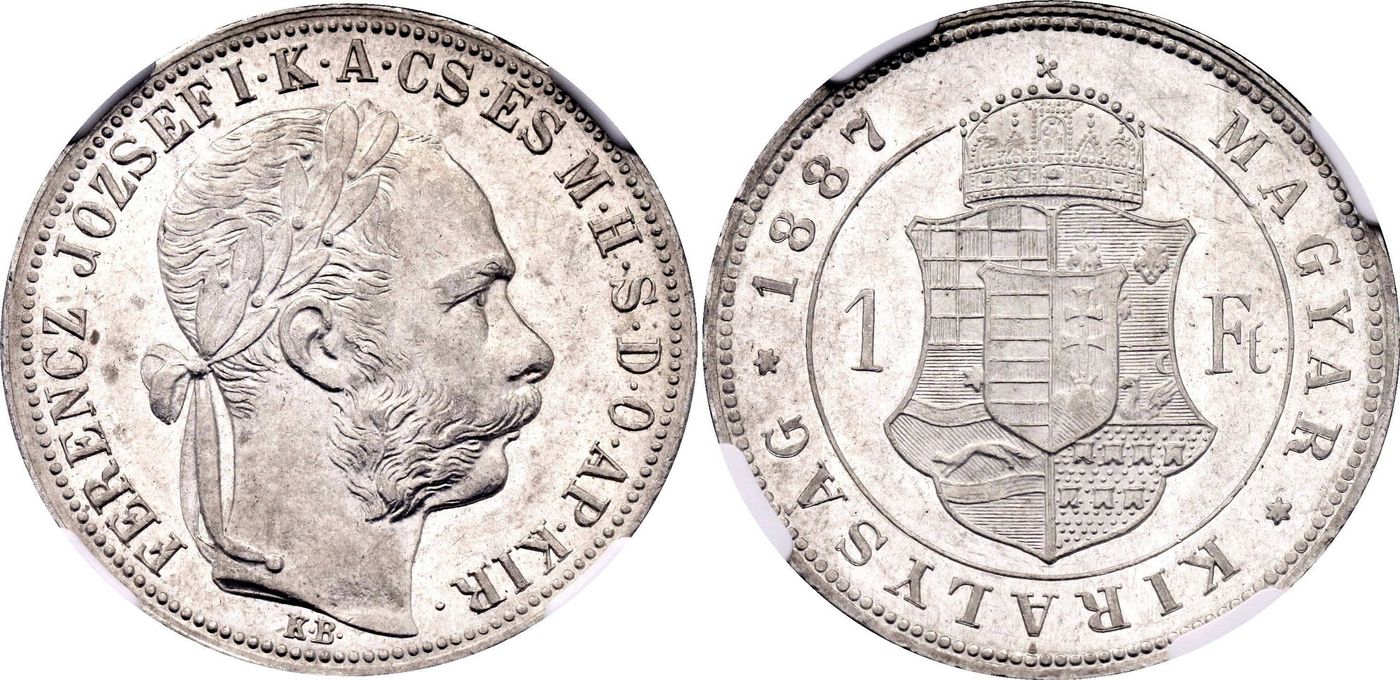
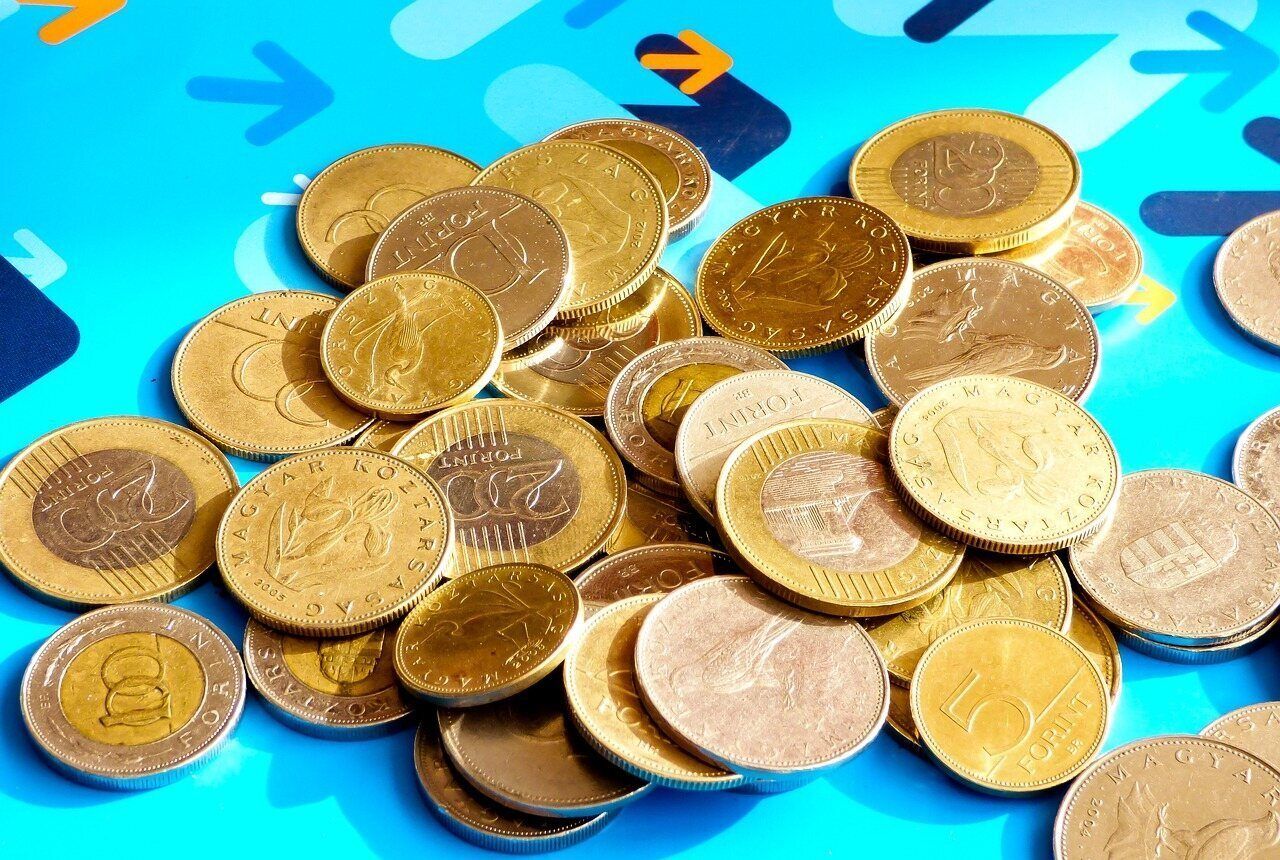
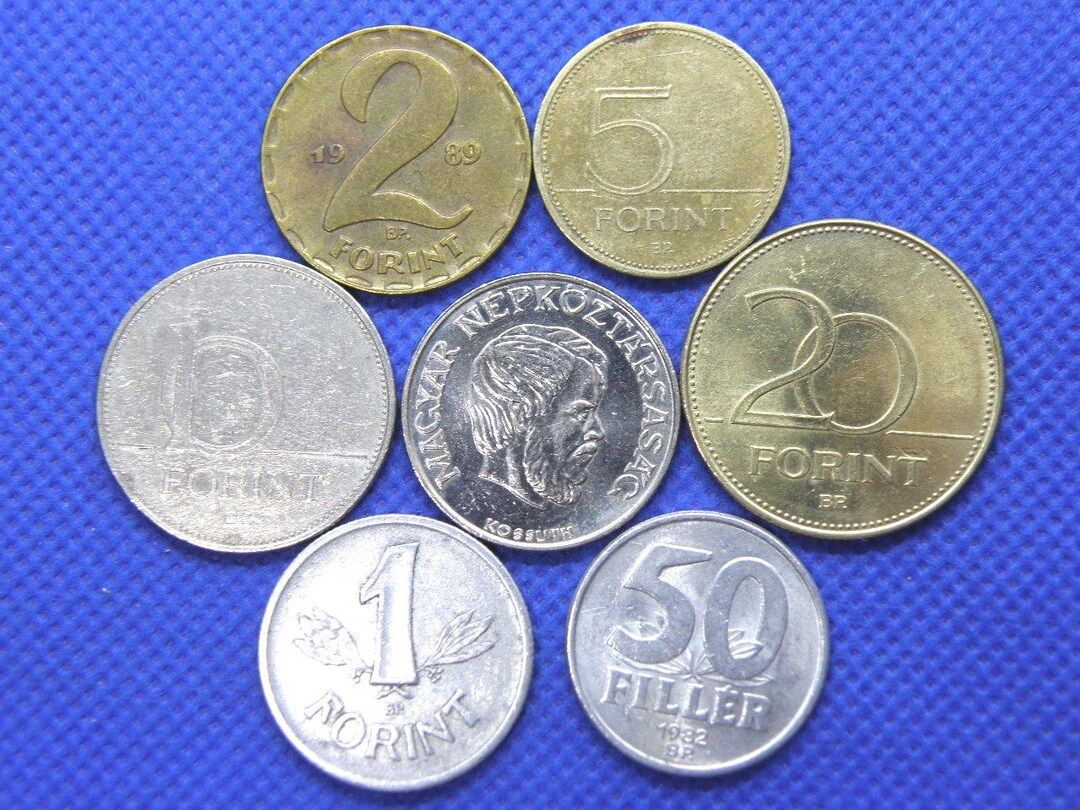
The Canadian dollar, coded CAD and symbolized by $, is the official currency of Canada. It is a freely floating currency, meaning its value is determined by foreign exchange market trading. The Hungarian forint, coded HUF and symbolized by Ft, is the official currency of Hungary. Both currencies are used for all daily transactions within their respective countries. The Canadian dollar is among the world's most traded currencies, while the forint is a regional European currency. The exchange rate between them represents how many forints one Canadian dollar can purchase. Our currency rankings show that the most popular Canadian Dollar exchange rate is the CAD to USD rate, and the most popular Hungarian Forint exchange rate is the HUF to USD rate.
How the CAD to HUF Exchange Rate is Set
The CAD to HUF exchange rate is determined in the global foreign exchange market, where currencies are traded 24 hours a day. The primary reference point is the mid-market rate, which is the midpoint between the global buy and sell prices. This rate is purely informational and reflects the true market value without any fees or markups. Financial institutions and currency exchange services then apply their own margin or spread to this mid-market rate to create the rate they offer to consumers. The rate you see quoted online or in a bank is almost always different from the live mid-market rate due to these added costs. Providers like online specialists often emphasize that they use the real mid-market rate for their converter tools for informational purposes, but customers will not receive this exact rate when sending money as a margin is added for the service.
Factors That Influence the Exchange Rate
Several macroeconomic factors cause the CAD to HUF rate to move. Changes in interest rates set by the Bank of Canada and the Hungarian National Bank can significantly impact currency values. Economic data releases, such as inflation reports, employment figures, and gross domestic product growth from both countries, also drive volatility. Global commodity prices are particularly influential for the Canadian dollar, as Canada is a major exporter of resources like oil and lumber. Broader market sentiment and geopolitical events can cause investors to move capital between currencies, affecting both the CAD and HUF. The relative strength of the US dollar also plays a role, as both the Canadian dollar and Hungarian forint have their most popular exchange rates against the USD, creating indirect pressure on the CAD/HUF cross rate.
Historical Performance and Notable Trends
The CAD to HUF exchange rate experiences ongoing fluctuations driven by the factors mentioned earlier. Recent data from the last 90 days shows the rate moved between a high of 231.5310 and a low of 222.7280, with a 90-day average of 226.8032. In the last 30 days, the range was between 224.7550 and 230.5610, with a 30-day average of 228.1783. These movements illustrate the typical volatility in the currency pair, with the 30-day period showing a volatility measure of 0.43%. Tracking these averages can help individuals and businesses plan ahead and time their transfers more strategically. By monitoring historical trends, one can make smarter decisions to manage costs more effectively and take advantage of opportunities when the market moves in their favour.
Key tools for tracking the CAD to HUF exchange rate history include live currency charts and rate alerts. These tools allow you to monitor real-time mid-market exchange rates and view historical data up to the last five years. You can set an alert to be notified when the exchange rate reaches your desired target. This helps you track how the exchange rate changes over time and make informed decisions.
- Live currency charts showing historical data up to the last 5 years, allowing you to view intraday price action and short-term trends.
- Daily market summaries to stay informed on the latest news and never miss out on market developments.
- Monthly average exchange rates for a stable view of trends, which provide a clearer snapshot than reacting to daily market swings.
- Rate alert systems to notify when a target rate is reached, so you can move funds when conditions align without watching the market all day.
Many individuals and businesses use monthly averages to plan ahead, lock in better rates, or time their transfers more strategically. The average monthly exchange rate gives a clear snapshot of how one currency performed against another over an entire month. For example, the average CAD to HUF rate over the last 30 days was 228.19. This figure shows a more stable view of the trend instead of reacting to daily market swings.
Methods for Converting Canadian Dollars to Forints
Canadians have several options when they need to convert CAD to HUF. Traditional banks offer currency exchange services both for cash and wire transfers, often through their branches or online banking platforms. Credit and debit cards can be used for purchases or ATM withdrawals in Hungary, though foreign transaction fees and dynamic currency conversion charges often apply. Online money transfer specialists and foreign exchange companies provide digital platforms for converting and sending money internationally, with many supporting transfers to over 190 countries in 130 currencies. Each method comes with different cost structures, speed, and convenience. The process typically involves selecting the source and target currencies, entering the amount, and viewing the offered exchange rate and total fees before completing the transaction. For larger amounts, some online specialists offer free transfers on amounts over 500 CAD.
Fees and Costs of Currency Conversion
The total cost of converting CAD to HUF is rarely just the advertised exchange rate. Providers build profit into the rate through a spread, which is the difference between the mid-market rate and the rate they offer. Additional fixed fees or percentage-based charges are also common for international transfers. Banks often charge wider spreads and extra fees, with comparison savings examples showing that using a specialist can save money. Online specialists typically promote lower margins and more transparent pricing, with some claiming savings of up to 4% compared to bank rates and offering bank-beating foreign currency exchange rates. It is crucial to see the exchange rate and total cost in advance, with no hidden spreads or last-minute adjustments affecting the final HUF amount received. The comparison savings between providers are based on specific transfer examples and may not include all fees, and different currency amounts, types, dates, and times will result in different comparison savings.
| Provider Type | Typical Cost Characteristics | Additional Notes |
|---|---|---|
| Major Banks | Wider spreads, additional transfer fees. | Rates and fees are often less transparent upfront. |
| Online FX Specialists | Tighter margins, transparent upfront pricing, potential savings. | May offer free transfers on amounts over a threshold like 500 CAD. |
| Credit/Debit Cards | Foreign transaction fees, dynamic currency conversion charges. | Choosing to be billed in HUF is usually cheaper than in CAD abroad. |
| Cash Exchange Kiosks | High spreads, possible service fees. | Convenient for immediate cash needs but often poor value. |
The final amount your recipient gets in HUF can vary significantly based on the provider's total cost structure. Banks often charge wider spreads and additional fees, while specialist providers may offer lower margins and transparent pricing. Using a real-time currency converter that shows the final amount with all charges included is recommended. This allows you to see exactly how much your recipient will get upfront, with no hidden fees.
Using Specialist Transfer Services
Online foreign exchange specialists provide a streamlined conversion process built for clarity, control, and efficiency. These services support smarter timing for larger transfer values and predictable outcomes for both individuals and businesses managing cross-border payments. They allow users to view live exchange rates before committing, enabling clearer timing decisions and full transparency on pricing before a CAD to HUF transfer. The process involves registering for an account, accessing a currency converter or live quoter to see the current exchange value, and completing the transfer online in a few clicks. Transfers are handled within a strict regulatory framework, ensuring Canadian Dollar and Hungarian Forint transactions remain secure and properly managed at every stage. Most transfers through these services are processed within 24 to 48 hours, depending on receiving bank cut-off times and specific transfer routes. These platforms are designed for personal transfers, supplier payments, investments, or recurring obligations using a flexible process designed to minimize steps and delays.
The Conversion Process Step by Step
Converting currency through an online platform follows a series of clear steps designed for user confidence. First, you enter the amount you wish to convert in the currency converter box, typically starting with the Canadian dollar amount. Next, you select CAD as the source currency and HUF as the target currency in the converter to view the current exchange value and the total Hungarian forints that will be delivered. The platform will then show you a live quote with the exchange rate and all fees included, providing full transparency on the final HUF amount your recipient will get. After reviewing the details, you choose a payment method, such as a bank debit or wire, to fund the transfer from your Canadian account. Finally, you provide the recipient's details in Hungary and confirm the transfer, after which you can track the payment in real time until it is completed. Many services also offer the ability to save favourite currencies to check how the exchange rate changes over time and set up alerts for future transactions.
Practical Tips for Canadians Exchanging Currency
To get the best value when converting CAD to HUF, start by comparing the total cost from multiple providers, not just the exchange rate. Monitor the live mid-market rate using converter tools to understand the baseline value before any markup is applied. Consider setting a rate alert to be notified when the market reaches a desired level, which can help with timing larger transfers, as there is no universally perfect time since markets are constantly moving. For recurring obligations or planned expenses, tracking monthly average exchange rates can inform a longer-term strategy. Always verify that the provider shows all fees upfront with no hidden costs, and look for services that offer secure, regulated currency exchange with dedicated support. Using a currency converter tool that uses real-time mid-market rates for informational purposes can help assess the timing of a transfer, and for competitive CAD to HUF exchange rates and low fees, using a specialist is often recommended. Remember that timing depends on market movements, and tools like daily market commentary can help you monitor trends and choose the right moment for your conversion.
Frequently asked questions
What is the mid-market exchange rate?
The mid-market rate is the midpoint between the global buy and sell prices for a currency pair. It is the true benchmark rate used in financial markets, calculated from live trading data. Consumers do not receive this rate directly when exchanging money, as providers add a margin. It serves as a key reference point for understanding the underlying value before any fees or markups are applied. Many currency converter tools use this rate for informational purposes only.
How long does an international transfer to Hungary take?
Most international money transfers to Hungary are processed quickly. Transfers sent through online specialist services often complete within 24 to 48 hours. The exact timing depends on factors like the receiving bank's cut-off times, the specific transfer routes used, and the time of day the transaction is initiated. Weekends and public holidays in either Canada or Hungary can also cause delays. Providers typically give reliable delivery estimates and allow you to track every transfer in real time.
Are there fees for using my credit card in Hungary?
Yes, using a Canadian credit or debit card in Hungary typically incurs fees. Most issuers charge a foreign transaction fee, which is a percentage of the purchase amount. Additionally, if offered the choice at point of sale, opting to pay in Canadian dollars through dynamic currency conversion often results in a poor exchange rate and extra charges. It is usually cheaper to choose to be billed in the local currency, Hungarian forints. Always check your cardholder agreement for specific fee structures.
Can I lock in an exchange rate for a future transfer?
Many currency exchange services offer tools to help manage future transfers. While a live transfer uses the rate at the moment of conversion, some providers allow you to set a rate alert. This tool sends a notification when the market rate hits your specified target, enabling you to act quickly. For more formal arrangements, certain business-focused services may offer forward contracts, but these are generally not standard for personal transfers. Monitoring the market with live charts and alerts is the common strategy for individuals.
How do I know if I'm getting a good exchange rate?
To evaluate an offered exchange rate, first check the current mid-market rate using a reliable financial website or currency converter. Compare the rate you are being quoted to this baseline. The difference represents the provider's spread or margin. Also, inquire about any additional fixed or percentage-based fees that will be deducted from your transfer. A good deal offers a combination of a competitive rate close to the mid-market level and low, transparent fees. Online specialists often promote that they show the full price upfront for this exact purpose.
Is it safe to exchange money online?
Exchanging money online through reputable providers is generally safe. Legitimate foreign exchange specialists operate within strict regulatory frameworks in Canada and other jurisdictions. They use secure, encrypted technology for transactions and hold client funds in segregated accounts. Before using a service, verify that it is regulated by relevant authorities such as the Financial Transactions and Reports Analysis Centre of Canada (FINTRAC) or other international financial regulators. Established services will clearly state their regulatory compliance and security measures.
Sources and further reading
- Canadian dollars to Hungarian forints today wise.com
- 1 CAD to HUF, Canadian Dollars to Hungarian Forints ... xe.com
- Convert 1 CAD to HUF, Canadian Dollar to Hungarian Forint mtfxgroup.com
- CAD to HUF, Convert Canadian Dollar to Forint remitbee.com
This article explains how things work and is not financial, tax or legal advice. Rules, limits and rates change, so check the current figures with the Canada Revenue Agency, your province or your financial institution before you act.