The Canadian dollar to euro exchange rate is a key financial metric for Canadians travelling, investing, or sending money to the Eurozone. The rate fluctuates daily based on global market forces, including economic data, central bank policies, and commodity prices. Canadians converting currency face various options, each with different fees and exchange rate margins. Understanding how the rate is set and the costs involved can help in planning international transactions effectively.
Understanding the Canadian Dollar and Euro
The Canadian dollar, denoted as CAD and symbolized by $, is the official currency of Canada. Its value is closely tied to the country's resource-based economy, particularly the prices of commodities like oil, lumber, and minerals. The euro, with the code EUR and symbol €, is the official currency of France and 19 other European Union member states that form the Eurozone. As a major global reserve currency, the euro's strength is influenced by the collective economic performance and monetary policy of the European Central Bank. The exchange rate between these two currencies represents how many euros one Canadian dollar can purchase. This rate is dynamic, changing continuously throughout the trading day as currencies are bought and sold on the foreign exchange market.
How the CAD to EUR Exchange Rate is Determined
The primary exchange rate quoted in financial markets is the mid-market rate. This rate is the midpoint between the global buy and sell prices for the currency pair and is considered the most accurate reflection of its true value. It is calculated from the interbank market, where large financial institutions trade currencies. The rate displayed on currency converter tools and financial portals is typically this live mid-market rate. However, this is a wholesale reference rate. When individuals or businesses convert money through banks, credit cards, or transfer services, they do not receive the pure mid-market rate. Providers apply a margin or spread above or below this rate, which is how they generate revenue from currency exchange. Therefore, the final rate a Canadian receives will be less favourable than the quoted mid-market rate.
Several key economic factors drive movements in the CAD to EUR exchange rate. Changes in the price of oil and other key Canadian exports can significantly impact the Canadian dollar's value. Diverging interest rate decisions between the Bank of Canada and the European Central Bank influence capital flows and currency demand. Stronger economic growth or inflation data in Canada versus the Eurozone can make the loonie more attractive. General market sentiment and global risk appetite also play a role, as the Canadian dollar is often considered a risk-sensitive currency. Political stability and fiscal policies within the Eurozone can affect the euro's strength. These factors combine to create the daily volatility observed in the exchange rate.
Historical Performance and Notable Trends
The CAD to EUR rate has experienced significant fluctuations over time, reflecting shifting economic conditions. Recent short-term volatility provides insight into typical market movements. Performance data from a recent 90-day period showed the rate moving between a low of 0.6165 and a high of 0.6336. The average rate over that period was 0.6227. In a 30-day window, the rate moved between 0.6201 and 0.6336, averaging 0.6252. These ranges illustrate how even over short periods, the exchange rate can shift by several percentage points, impacting the value of conversions.
Tracking historical rates is valuable for identifying trends and planning conversions. Many financial services offer interactive charts that allow users to view historical data for the CAD to EUR pair over periods ranging from days to several years. These tools can show how the rate has moved in response to specific economic events or policy announcements. Some services also provide the ability to set rate alerts, notifying users when the exchange rate reaches a desired level. This can be useful for timing larger transfers or purchases. The historical average rate over different periods, such as 30-day or 90-day averages, is often used as a benchmark to assess whether a current rate is relatively high or low.
- The 30-day high for CAD to EUR was 0.6336.
- The 30-day low for CAD to EUR was 0.6201.
- The 90-day high for CAD to EUR was 0.6336.
- The 90-day low for CAD to EUR was 0.6165.
- The 30-day average rate was 0.6252.
- The 90-day average rate was 0.6227.
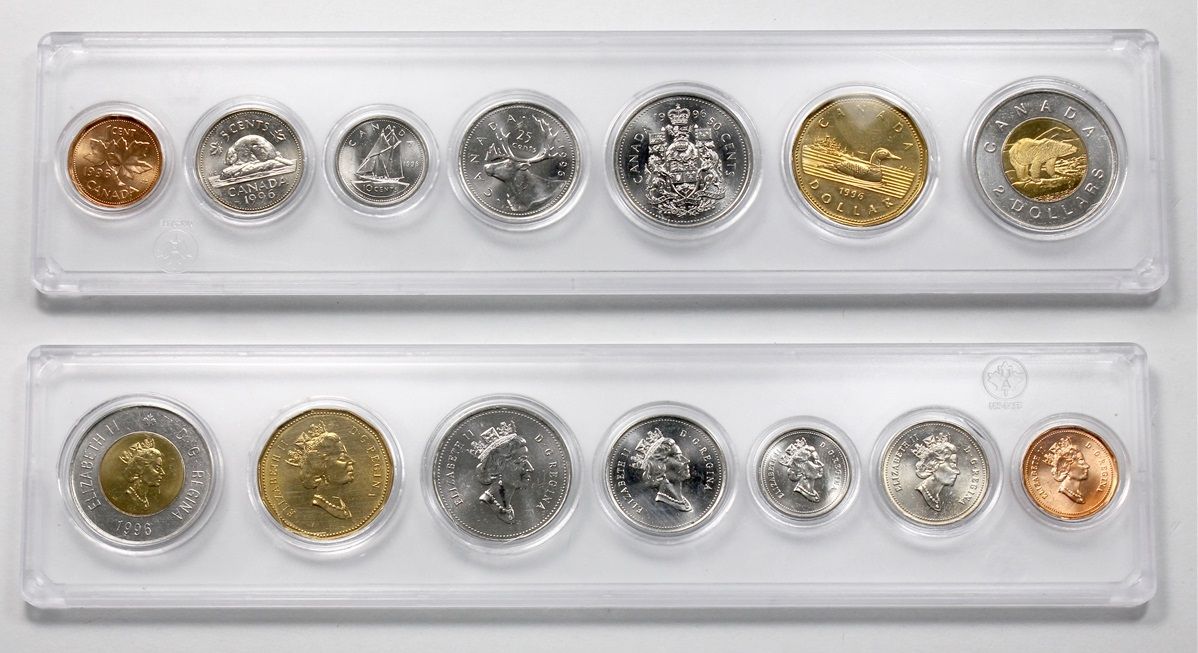
Methods for Converting Canadian Dollars to Euros
Canadians have several options when they need to convert CAD to EUR, each with distinct cost structures and convenience levels. The most common methods include using a bank, a specialist currency exchange kiosk, a credit or debit card, or an online international money transfer service. Banks typically offer currency exchange at their branches, but the rates include a significant margin and may also involve fixed transaction fees. Specialist currency exchange stores or kiosks, often found in airports or tourist areas, may offer competitive rates but also charge fees or commissions. Using a Canadian credit or debit card for purchases in euros while in Europe is extremely common.
Online international money transfer services have become a popular alternative. Companies like Western Union, Wise, and others allow users to send money from Canada to Eurozone countries. These services typically show the user an estimated exchange rate and all applicable fees upfront before the transaction is confirmed. The total cost is a combination of the exchange rate margin applied and any fixed transfer fee. These services often promote bank-beating rates and transparency with no hidden fees. Transfers can be initiated online or via a mobile app, with funds delivered to a bank account, a mobile wallet, or made available for cash pickup at agent locations in the destination country. The choice of method depends on the amount being converted, the need for speed, and the user's priority on minimizing costs.
- Convert through a bank branch or credit union.
- Use a specialist currency exchange kiosk or store.
- Spend directly with a Canadian credit or debit card in Europe.
- Initiate a transfer via an online money transfer service.
- Send money online, through an app, or at an agent location.
- Receive funds in a bank account, mobile wallet, or as cash for pickup.
Fees and Costs of Currency Conversion
The total cost of converting Canadian dollars to euros is rarely just the advertised exchange rate. Financial institutions and service providers build their profit into the transaction through a combination of methods. The primary cost is the exchange rate margin or spread. This is the difference between the mid-market rate and the rate actually offered to the customer. Many providers also charge fixed transaction fees. A bank might charge a flat fee of 10 to 15 dollars for a foreign exchange transaction, regardless of the amount.
When using credit cards abroad, additional fees often apply. This fee is on top of the exchange rate margin applied by the card network. Some premium travel cards may waive this fee. Debit card withdrawals from European ATMs usually incur a foreign withdrawal fee from the Canadian bank, a currency conversion fee from the card network, and potentially a fee from the ATM operator. Online transfer services structure their costs differently. They may advertise a low or zero transfer fee but apply a wider exchange rate margin. Alternatively, they may use a rate very close to the mid-market rate but charge a clear, upfront percentage-based fee. It is crucial to review the total cost, which includes both the final amount in euros received and any fees paid in Canadian dollars, before confirming any conversion.

Key Considerations Before Converting Money
Before converting Canadian dollars to euros, it is important to compare the total cost across different providers. The exchange rate is only one part of the equation. A provider offering a slightly better rate might have high fixed fees that make it expensive for small amounts, while a provider with no fees might have a poor rate. Always check what the final amount in euros will be after all costs. For larger amounts, even a small difference in the exchange rate can translate to a significant sum. Timing can also affect the cost. Since exchange rates fluctuate, converting when the Canadian dollar is relatively strong against the euro will yield more euros per dollar. Some services offer rate alerts to notify users when a target rate is reached.
Security is another vital consideration. When using online transfer services, ensure the company uses strong encryption and fraud prevention measures. Only send money to people you know and trust. Keep any transfer reference numbers, like a Money Transfer Control Number (MTCN), private and secure. For cash exchanges, be aware of your surroundings and use reputable, licensed exchange offices. Understanding the delivery method is also key. If you are sending money to someone in Europe, confirm whether they will receive it in their bank account, as a mobile wallet credit, or as cash they need to collect from an agent location. Each option may have different speeds and costs associated.
- Compare the total cost (rate margin plus fees) across providers.
- Check the final euro amount you will receive before confirming.
- Consider timing your conversion for a favourable rate.
- Use rate alerts to be notified when a target exchange rate is hit.
- Verify the security measures of online transfer services.
- Keep your Money Transfer Control Number (MTCN) private.
- Confirm the payout method: bank deposit, mobile wallet, or cash pickup.
Using Currency Converter Tools and Tracking
Online currency converter tools are essential for checking live exchange rates and estimating conversion amounts. These tools typically use the live mid-market rate for informational purposes. Users can enter an amount in Canadian dollars and see the equivalent in euros based on that real-time rate. It is important to remember that this is a reference rate and the actual rate offered by a bank or service will be different. Many converter tools are provided by money transfer services and include a prompt to proceed with a transfer, showing their specific commercial rate and fees. These tools help users understand the current market value before shopping for the best deal.
To monitor rate movements, many websites and apps offer interactive charts tracking the CAD to EUR pair. These charts can display historical data for periods such as one day, one month, one year, or five years. They allow users to visualize trends, volatility, and key highs and lows over time. Some platforms provide daily summaries of currency news that might affect the rate. A particularly useful feature offered by several providers is the ability to set up a free rate alert. This helps individuals and businesses make informed decisions about when to execute a currency conversion.
Frequently asked questions
What is the current Canadian dollar to euro exchange rate?
The exchange rate between the Canadian dollar and euro fluctuates continuously throughout the trading day. Financial portals display the live mid-market rate, which is the benchmark rate between global buy and sell orders. For example, a recent mid-market rate was approximately 1 CAD = 0.6336 EUR. It is important to note that this is a wholesale reference rate. The rate you receive from a bank or money transfer service will include a margin and will be less favourable.
How can I convert Canadian dollars to euros?
You can convert CAD to EUR through several channels. Banks and credit unions offer currency exchange services at their branches. Specialist currency exchange kiosks are found in airports and city centres. Using a Canadian credit or debit card for purchases or withdrawals in Europe automatically converts funds at the card network's rate. Online international money transfer services, such as Western Union or Wise, allow you to send money from Canada to Eurozone bank accounts or for cash pickup. Each method has different associated costs in terms of exchange rate margins and fees.
What fees are charged when converting CAD to EUR?
Fees come in two main forms: an exchange rate margin and fixed transaction fees. The margin is the difference between the mid-market rate and the rate you are offered. Banks, card networks, and transfer services all apply a margin. The total cost is the combination of these, so always check the final euro amount you will receive after all charges.
Why is the rate I get different from the rate on Google?
The exchange rate displayed on Google or many financial websites is typically the mid-market rate, a pure benchmark from the interbank market. The rate offered by consumer-facing services like banks, credit cards, and money transfer providers is different because they add a margin to this mid-market rate. This margin is their source of revenue for providing the conversion service. Therefore, the rate you are quoted will always be less advantageous than the Google rate for buying euros with Canadian dollars.
Can I track the historical CAD to EUR exchange rate?
Yes, many financial data providers and money transfer services offer historical exchange rate charts. You can typically view the performance of the CAD to EUR pair over different timeframes, such as the last 30 days, 90 days, one year, or five years. These charts show the high, low, and average rates for each period. For example, recent data showed a 30-day average of 0.6252 and a 90-day average of 0.6227. This historical perspective can help identify trends for planning purposes.
What moves the Canadian dollar against the euro?
The CAD/EUR rate is influenced by comparative economic factors between Canada and the Eurozone. Key drivers include changes in global commodity prices like oil, as Canada is a major exporter. Differences in interest rate policies set by the Bank of Canada and the European Central Bank attract or repel investment flows. Relative economic growth, employment data, and inflation reports from both regions also impact currency strength. General global market sentiment and risk appetite further contribute to daily fluctuations in the exchange rate.
Sources and further reading
- 1 CAD to EUR, Canadian Dollars to Euros Exchange Rate xe.com
- Canadian dollars to Euros Exchange Rate. Convert CAD ... wise.com
- CAD to EUR | Convert Canadian Dollar to Euro westernunion.com
- Canadian dollar (CAD) - European Central Bank ecb.europa.eu
- Currency Converter: Exchange Rate Calculator EUR ... iban.com
This article explains how things work and is not financial, tax or legal advice. Rules, limits and rates change, so check the current figures with the Canada Revenue Agency, your province or your financial institution before you act.