Converting Canadian dollars to Egyptian pounds is a common transaction for Canadians sending money to family, paying for travel, or conducting business in Egypt. The exchange rate between the two currencies fluctuates based on economic factors in both countries and global market forces. Canadians have several options for conversion, including banks, money transfer services, and currency exchange kiosks, each with different fees and exchange rate margins. Understanding how the rate is set and the costs involved can help you get more value when you convert your money.
Understanding the Canadian Dollar and Egyptian Pound
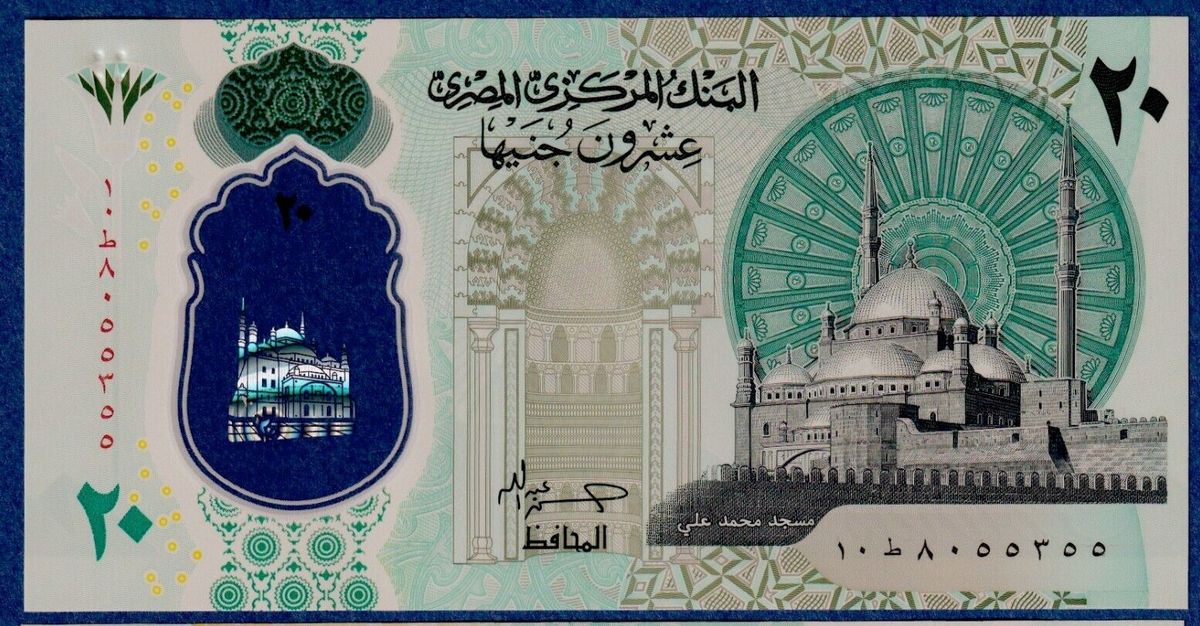
The Canadian dollar, coded CAD and symbolized by $, is the official currency of Canada and is issued by the Bank of Canada. It is a freely floating currency whose value is influenced by commodity prices, interest rates, and the country's economic health. The Egyptian pound, coded EGP and symbolized by £, is the official currency of Egypt, issued by the Central Bank of Egypt. For many years, the Egyptian pound operated under a managed float, but significant devaluations have occurred as part of economic reforms. The exchange rate between the CAD and EGP represents how many Egyptian pounds one Canadian dollar can purchase. This rate is crucial for Canadians making remittances, a vital source of foreign currency for Egypt, or for tourists planning a visit to see its historical sites.
How the CAD to EGP Exchange Rate is Determined
The primary reference for the CAD to EGP exchange rate is the mid-market rate, also known as the interbank rate. This is the midpoint between the global buy and sell prices for the currency pair in the foreign exchange market. It is the most accurate reflection of the currency's value at any given moment and is used for large transactions between financial institutions. The mid-market rate is highly dynamic and can change frequently throughout the day as currency values shift. For personal transactions, consumers do not receive the pure mid-market rate. Banks and money transfer services apply a margin or spread above or below this rate, which is how they make money on currency conversion. The final rate you see will also include any service fees, making the total cost different from the reference rate you might find online or on financial news sites.
Several key economic factors influence the movement of the CAD to EGP rate. For the Canadian dollar, global prices for commodities like oil and minerals are significant drivers, as Canada is a major exporter. Domestic interest rate decisions by the Bank of Canada and overall economic performance also affect its strength. For the Egyptian pound, factors include the country's foreign currency reserves, inflation rates, tourism revenue, and remittance inflows. Government monetary policy and interventions by the Central Bank of Egypt to manage the currency's value have historically played a major role. Geopolitical stability and investor confidence in the region further contribute to the pound's valuation against major currencies like the Canadian dollar.
Historical Performance and Volatility
The CAD to EGP exchange rate has experienced considerable movement over time, reflecting economic events in both nations. Historical data shows the rate can be volatile over short and medium terms. For example, in a recent 90-day period, the rate moved between a low of 35.4580 and a high of 38.2150 EGP per CAD, with an average of 36.6258. The 30-day change in the inverse rate (EGP to CAD) was -4.53 percent, indicating a period where the Egyptian pound weakened against the loonie. Over a 7-day window, volatility was measured at 0.30 percent, with the rate moving between 36.8709 and 38.2150. These fluctuations underscore the importance of timing for individuals looking to convert larger sums of money, as rates can shift meaningfully within weeks or even days.
Longer-term trends have been shaped by major economic decisions in Egypt. This move caused the pound to lose over half its value against major currencies almost overnight. For Canadians, this meant the Canadian dollar could buy progressively more Egyptian pounds over this period. The historical highs for the CAD/EGP rate are generally associated with these devaluation events, while lows correspond to periods when the Egyptian pound was more rigidly managed and stronger relative to the loonie.
- In a recent 90-day period, the CAD/EGP rate ranged from 35.4580 to 38.2150.
- The 30-day average for the EGP to CAD rate was 0.0270.
- The change for EGP to CAD over a recent 90-day period was -5.98.
- Over the last 30 days, the rate moved between 36.4565 and 38.2150 EGP per CAD.
Methods for Converting CAD to EGP
Canadians have multiple channels to convert their dollars to Egyptian pounds, each with distinct cost structures and conveniences. Traditional banks offer currency exchange services both for cash and for international wire transfers. While convenient, banks typically add a significant margin to the mid-market rate and charge fixed wire transfer fees, which can make them an expensive option. Online money transfer specialists like Wise, Xe, and WorldRemit have become popular alternatives. These services often advertise using the real mid-market rate and charge a lower, transparent fee, which can result in more Egyptian pounds delivered to the recipient. It is important to compare the total cost, which includes both the applied exchange rate margin and any stated fees, before choosing a provider.
- Traditional banks charge wire transfer fees and use a wide exchange rate margin.
- Online specialists like Wise and Xe often use the real mid-market rate.
- Western Union and Remitly offer transfers for cash pickup at agent locations.
- Currency exchange kiosks provide immediate cash conversion, often with poor rates.
- Providers must show the exchange rate and all fees upfront before you confirm.
Other common options include global networks like Western Union and Remitly, which facilitate transfers for cash pickup at agent locations across Egypt. These are valued for their speed and extensive network, especially in areas with limited banking infrastructure. Fees for these services vary based on the transfer amount, payment method, and chosen payout option. For travellers needing physical cash, currency exchange kiosks at airports or in city centres provide immediate conversion, though they usually offer some of the least favourable rates due to high overheads and convenience premiums. Regardless of the method, providers are required to show the exchange rate and all fees upfront before you confirm the transaction, allowing for an informed decision.
Fees and Costs to Consider
The total cost of converting CAD to EGP is rarely just the advertised exchange rate. Providers build their charges through a combination of an exchange rate margin and a separate transfer fee. The margin is the difference between the mid-market rate and the rate actually applied to your transaction. A provider might advertise "no fees" but then use a less favourable exchange rate that incorporates their profit. Conversely, a provider using the real mid-market rate will typically charge a separate, transparent fee for the service. For bank wire transfers, common additional costs include a sending fee from your Canadian bank, a correspondent bank fee, and a receiving fee charged by the Egyptian bank, which can all add up significantly on top of a poor exchange rate.
Payment and payout methods also affect the final cost. Paying with a credit card for a money transfer may incur cash advance fees and higher interest charges from your card issuer, whereas using a debit card or bank account is often cheaper. On the receiving end, having funds deposited directly to an Egyptian bank account may be more cost-effective than a cash pickup, which sometimes carries a higher service fee. To accurately compare options, you should use the live quoter tools on provider websites, which calculate the exact amount of EGP that will be delivered after all costs. This total received amount, rather than just the headline rate, is the true measure of value for your transfer.
- Credit card payments may incur cash advance fees and interest charges.
- Using a debit card or bank account for payment is often cheaper.
- Bank wire transfers can involve sending, correspondent, and receiving fees.
- Cash pickup payouts may carry a higher service fee than bank deposits.
- Live quoter tools show the exact EGP amount to be delivered after all costs.
Using Tools and Managing Transfers
Modern digital tools make it easier to monitor rates and execute transfers. Most online providers feature real-time currency converters that use live mid-market rates for reference. These tools allow you to enter a specific CAD amount and see an estimated EGP equivalent, though the final rate in a transaction will differ. A highly useful feature offered by services like Xe and Wise is the rate alert. You can set a target CAD/EGP exchange rate, and the platform will notify you via email or app notification when the market reaches that level, helping you time your transfer for a more favourable rate. Historical charts are also available, showing how the rate has moved over the past five years, which can provide context for current levels.
Once you decide to send money, the process is generally straightforward. You will need the recipient's full name and contact information. For bank deposits, you require their account details. For cash pickup, the recipient will need to present a government-issued ID and the unique Money Transfer Control Number (MTCN) at an agent location. Security is a priority for all reputable services, employing encryption and fraud monitoring. It is advisable to only send money to people you know and trust, double-check all recipient details, and keep your MTCN confidential. After sending, you can track the transfer's progress in real time using the MTCN on the provider's website or mobile app until it is delivered.
Frequently asked questions
What is the mid-market exchange rate?
The mid-market rate is the midpoint between the global buy and sell prices for a currency pair on the interbank market. It is the most accurate real-time valuation and serves as a benchmark. However, individuals converting money through banks or transfer services do not receive this pure rate, as providers add a margin for their service. The rate you see on Google or financial data sites is typically this mid-market rate.
How can I get the best rate when converting CAD to EGP?
To get the most Egyptian pounds for your Canadian dollar, compare the total delivered amount from multiple providers. Look at online money transfer specialists that use the real mid-market rate and charge a low, transparent fee. Avoid converting cash at airport kiosks, which usually have poor rates. Using a rate alert tool can help you time your transfer for a more favourable point in the market's daily fluctuations.
What fees are involved in sending money to Egypt?
Fees vary by provider, transfer amount, and payment method. Costs typically include an exchange rate margin, a transfer fee, and sometimes receiving fees. Banks often charge wire transfer fees and use a wide margin. Online services may have a lower fee but use the real exchange rate. Always review the full cost breakdown, showing the EGP amount to be delivered, before confirming any transaction.
Can I track my money transfer to Egypt?
Yes, you can track your transfer. After sending money, you will receive a unique tracking number called an MTCN. You can enter this number on the transfer service's website or mobile app to see the status of your transfer in real time. This allows you to track it from processing to when it is available for pickup or deposit in Egypt.
How long does a CAD to EGP transfer take?
Transfer times depend on the service and payout method. Transfers for cash pickup through networks like Western Union can often be available within minutes. Bank-to-bank transfers may take one to three business days. Online specialists like Wise often quote one to two business days. The estimated delivery time will be shown before you confirm the transfer.
Why is the rate I get different from the one on Google?
Google usually displays the mid market reference rate, which is the pure exchange rate between currencies. The rate you are offered by a bank or transfer service includes a margin, which is how the provider makes money on the conversion. This applied rate, combined with any separate fees, determines the final amount of EGP you or your recipient will receive. Money transfer providers like Western Union may apply an exchange rate margin. Their offered rate can also vary by transfer amount, payment method, payout option, destination, and timing. It is therefore important to review both the CAD to EGP rate and any transfer fee together before confirming your transaction. The mid market rate is the most accurate reflection of currency value but is typically not the rate consumers receive for personal transfers.
Sources and further reading
- 1 CAD to EGP, Canadian Dollars to Egyptian Pounds ... xe.com
- CAD to EGP | Convert Canadian Dollar to Egyptian Pound westernunion.com
- Egyptian pounds to Canadian dollars Exchange Rate. ... wise.com
This article explains how things work and is not financial, tax or legal advice. Rules, limits and rates change, so check the current figures with the Canada Revenue Agency, your province or your financial institution before you act.