Converting Canadian dollars to Chilean pesos is a common transaction for Canadians travelling, sending money to family, or conducting business in Chile. The exchange rate between these two currencies fluctuates constantly based on global financial markets and economic conditions in both countries. Understanding how the rate is set, its historical trends, and the costs involved in conversion helps Canadians make informed financial decisions. This guide explains the key factors and practical steps for converting CAD to CLP.
The Canadian Dollar and Chilean Peso
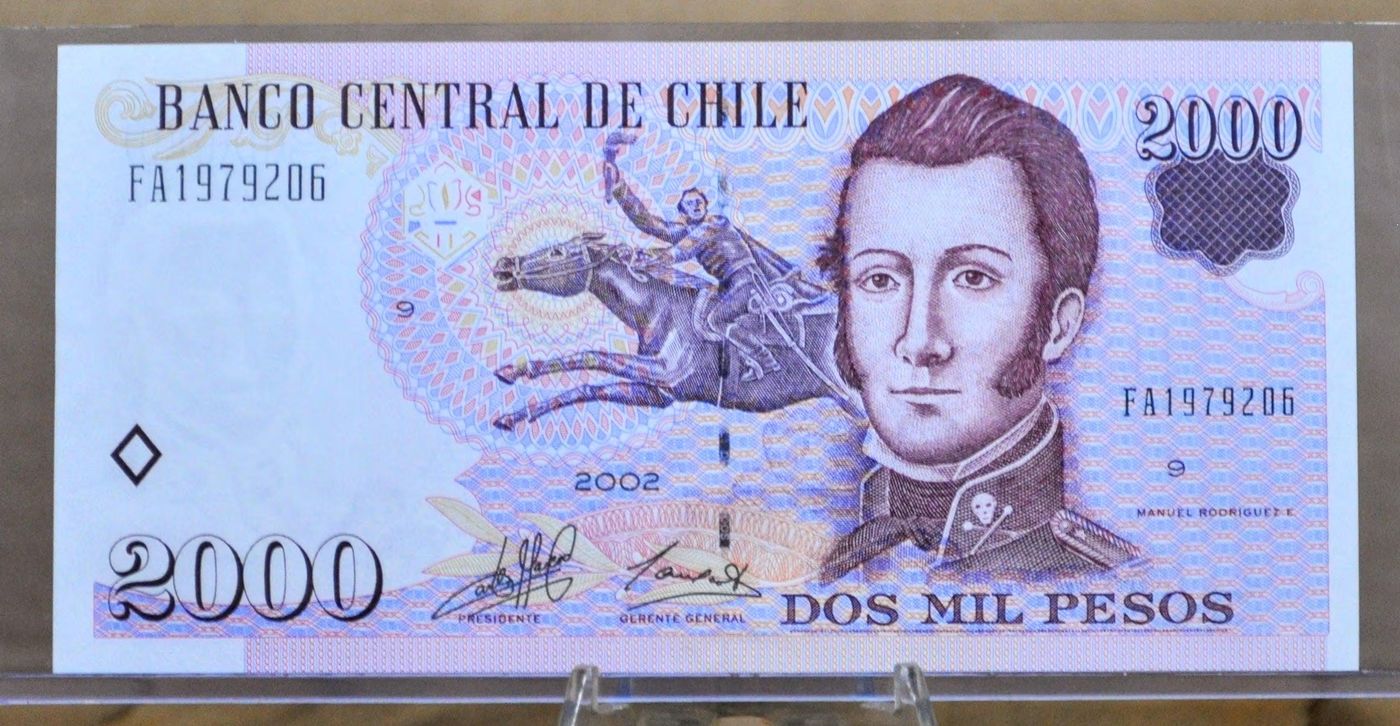
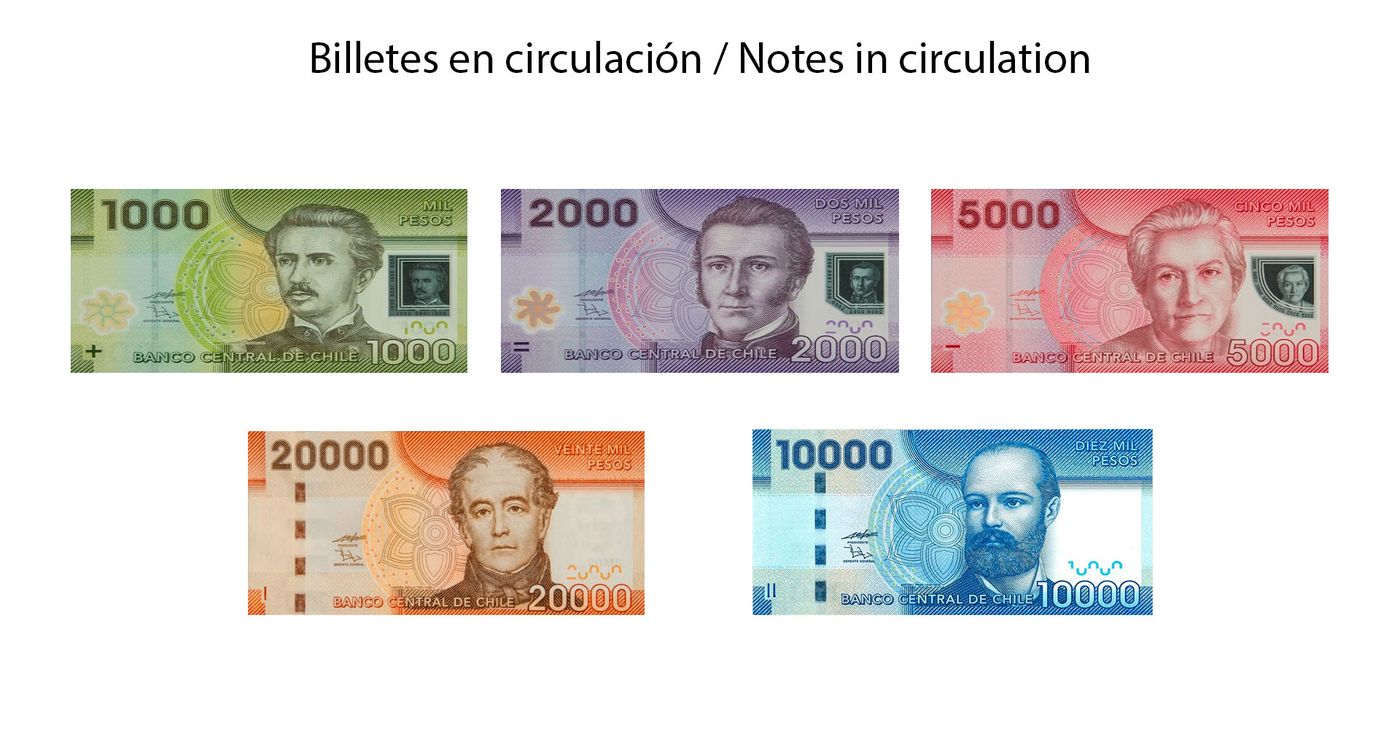
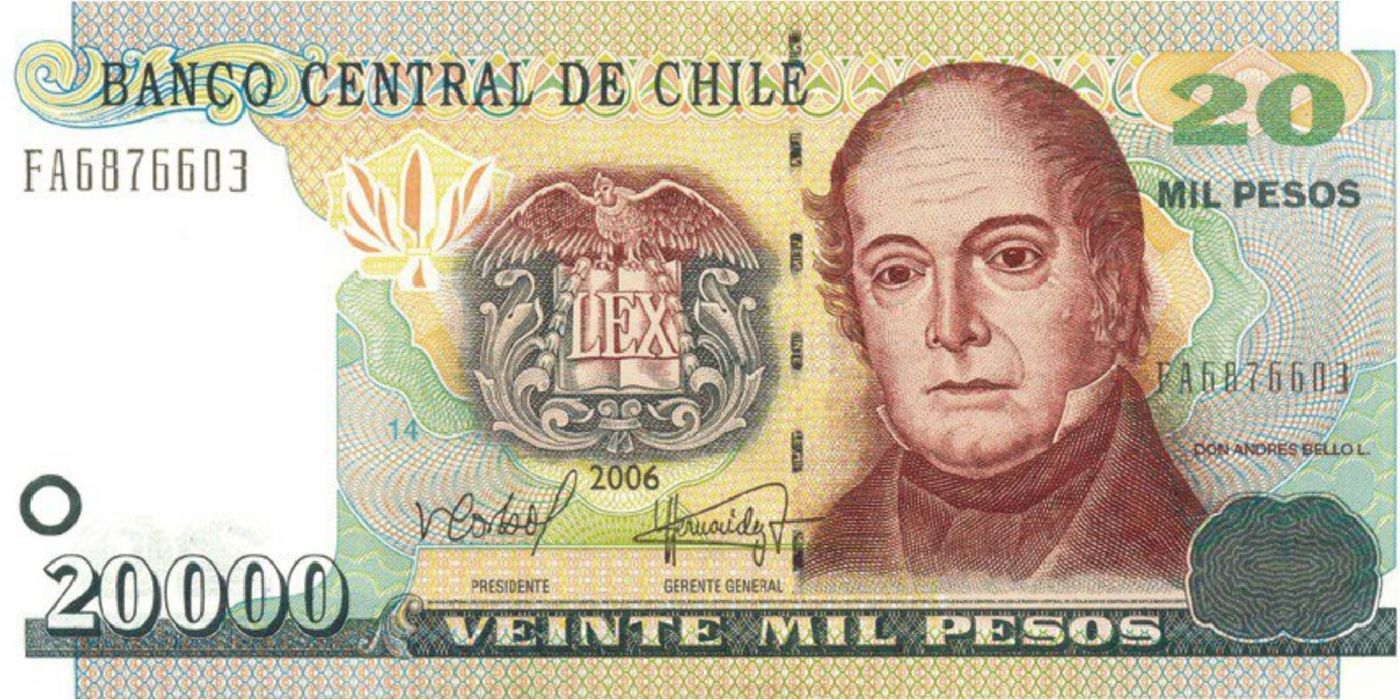
The Canadian dollar, with the currency code CAD, is the official legal tender of Canada. It is issued and regulated by the Bank of Canada and is one of the world's major reserve currencies, heavily influenced by the country's natural resource exports. The Chilean peso, with the currency code CLP, is the official currency of Chile, issued by the Central Bank of Chile. Chile's economy is a major global producer of copper, making its currency sensitive to commodity price swings. Both currencies use the dollar sign ($) as their symbol, which requires careful attention in financial transactions to avoid confusion between CAD and CLP. The exchange rate between them indicates how many Chilean pesos are needed to purchase one Canadian dollar.
How the CAD to CLP Exchange Rate Is Set
The primary reference for the CAD to CLP exchange rate is the mid-market rate, also known as the interbank rate. This rate is the midpoint between the global buy and sell prices for the currency pair on the foreign exchange market. It is determined by the continuous trading between large financial institutions and serves as the most accurate reflection of the currency's value. However, individual consumers and businesses do not typically have direct access to this wholesale rate. Instead, they receive a retail rate from banks, currency exchange kiosks, or online transfer services. This retail rate includes a margin or markup added to the mid-market rate, which is how these providers generate revenue from currency conversion. The final rate a Canadian receives can vary significantly based on the provider, the amount being converted, and the method of transfer.
The mid-market rate is highly dynamic, changing by the second due to the forces of supply and demand in the global forex market. Major banks and trading platforms contribute to setting this rate through their high-volume transactions. For individuals looking to convert money, the rate quoted by a service like Western Union or Xe is an estimate that includes their applied margin. It is crucial for Canadians to review the total cost of a transfer, which combines this exchange rate margin with any stated transaction fees, before confirming a conversion. Many online platforms now provide real-time estimates that show the exact amount of CLP the recipient will receive, offering full transparency.
Factors That Influence the Exchange Rate
Several key economic and market factors cause the CAD/CLP rate to move. Interest rate decisions by the Bank of Canada and the Central Bank of Chile are primary drivers, as higher interest rates in one country can attract foreign capital and strengthen its currency. Published economic data, such as GDP growth reports, employment figures, and inflation statistics from both nations, also cause immediate market reactions. Since Canada and Chile are both major commodity exporters, global prices for resources like oil, copper, lumber, and agricultural products heavily influence their respective currencies. A rise in copper prices, for instance, can strengthen the Chilean peso relative to the Canadian dollar.
Broader market sentiment and risk appetite among global investors play a significant role. In times of economic uncertainty, investors may flock to currencies perceived as stable, which can affect the demand for both CAD and CLP. Political stability and fiscal policies within each country further contribute to long-term currency trends. The interconnected nature of the global economy means that events in other major economies, particularly the United States and China, which are key trading partners for both Canada and Chile, can also create ripple effects on the CAD/CLP cross rate. These factors combine to create the volatility observed in the exchange rate over short and long periods.
Historical Performance and Notable Trends
Historical data shows that the CAD/CLP rate experiences considerable movement over time. These movements underscore the importance of timing for individuals and businesses looking to convert larger sums of money. Longer-term charts tracking up to five years of data allow users to identify broader trends and cycles in the relationship between the two economies. Periods of strength for the Canadian dollar, often correlated with high oil prices, can push the CAD/CLP rate higher. Conversely, strong copper exports and stable economic growth in Chile can bolster the peso, causing the rate to fall. Savvy Canadians monitor these historical trends and use tools like rate alerts offered by many financial apps to get notified when the exchange rate reaches a desired level. This historical perspective is valuable for planning transfers, investments, or travel.
Methods for Converting CAD to CLP in Canada
Canadians have several options for converting their dollars into Chilean pesos, each with different costs and conveniences. Traditional banks offer currency exchange services both at branches and online, but they typically apply a significant markup to the mid-market rate and may charge additional transaction fees. Some premium travel cards may offer more favourable terms or no foreign transaction fees, but these benefits vary by issuer. Specialist online money transfer services have become a popular alternative due to their competitive rates and lower fees. Providers like Western Union, Wise (formerly TransferWise), and Xe allow users to initiate transfers online or via mobile apps. These services often advertise using the real mid-market rate with a small, transparent fee, which can result in more pesos delivered to the recipient compared to bank rates. The process typically involves entering the CAD amount, choosing a delivery method such as bank deposit or cash pickup in Chile, and reviewing the final CLP amount and all fees upfront. Many of these platforms also provide features like rate alerts, historical charts, and tracking for transfers.
- Banks and credit unions: Convenient but often have higher exchange rate markups and fees.
- Credit/Debit Cards: Useful for spending abroad, but usually include a foreign transaction fee and a marked-up exchange rate.
- Online Money Transfer Services (e.g., Wise, Xe): Frequently offer rates closer to the mid-market rate with lower, upfront fees.
- Currency Exchange Kiosks: Found at airports and tourist centres, these often have the least favourable rates and highest fees.
The choice of method for sending money from Canada to Chile depends on the amount being sent, the urgency, and the recipient's preferred method of receiving funds. For larger transfers, the savings from using a service with a lower margin on the exchange rate can be substantial. Many services allow you to send money online, with an app, or in person at an agent location. You can send money for cash pickup at an agent location near your receiver in Chile.
Understanding Fees and Total Transfer Costs
The total cost of converting Canadian dollars to Chilean pesos is not just the exchange rate. It is a combination of the rate margin and any fixed or variable fees. Banks and transfer services make money by applying a margin to the mid-market rate. Additionally, providers may charge a separate transfer fee, which can be a flat rate or a percentage of the amount sent. Credit card cash advances for currency conversion come with particularly high costs, including cash advance fees and immediate interest charges.
Online transfer services often promote transparency by showing the mid-market rate and then a single, clearly stated fee. Some services offer fee-free transfers on amounts over a certain threshold, such as 500 CAD. It is essential for Canadians to compare the final delivery amount, the exact number of Chilean pesos the recipient will get, across different providers. A provider offering a slightly better exchange rate but a high fixed fee might be less economical for a small transfer, while the opposite could be true for a large one. The table below illustrates how different provider types typically structure their costs, though exact numbers vary.
| Provider Type | Typical Fee Structure | Exchange Rate Margin |
|---|---|---|
| Online Transfer Services | Low, transparent fee. Sometimes free over large amounts | Low (often near mid-market) |
| Airport Currency Kiosks | High flat fee or commission | Very High (5% or more above mid-market) |
Before confirming any transfer, Canadians should use online calculators provided by these services to see a real-time estimate of the total cost and the final CLP amount. You can enter the CAD amount to be converted to CLP and see the latest rates. This practice ensures there are no surprises and that the sender gets the best possible value for their money. Reviewing the exchange rate, transfer fee, and delivery option helps you understand the full cost before sending.
Sending Money Safely to Chile
Security is a paramount concern when sending money internationally. Reputable money transfer providers employ robust encryption and fraud prevention systems to protect transactions. Whether sending online, through a mobile app, or in person at an agent location, it is important to use services from licensed and regulated companies. After initiating a transfer, the sender typically receives a Money Transfer Control Number (MTCN) or similar tracking reference, which should be kept private and shared only with the intended recipient. This number allows both parties to track the transfer's progress online. Canadians should only send money to people they know and trust, as recovering funds sent due to a scam can be difficult. It is crucial to double-check all recipient details, including the full name and bank account information or pickup location in Chile.
Staying alert for common fraud warning signs, such as unsolicited requests for money transfers or pressure to act quickly, is also essential. Using the secure channels of established providers and keeping transaction records adds an extra layer of safety and peace of mind for cross-border transfers. Many services have encryption and fraud prevention efforts to help protect your money transfers. They also offer dedicated customer support to assist with any concerns during the transfer process, and they provide daily summaries and news to keep users informed about the latest market developments.
Frequently asked questions
What is the best way to convert CAD to CLP?
The best method depends on the amount and purpose. For sending money to Chile, online specialist transfer services often provide value with exchange rates closer to the mid-market rate and transparent fees. You can convert CAD to CLP by entering your amount into a currency converter and selecting the currencies. For a transfer, you can continue online, through an app, or at an agent location after reviewing the full cost.
Are there hidden fees when converting currency?
Fees can be hidden within a poor exchange rate margin. A provider may advertise 'no fee' but then offer a rate significantly worse than the mid-market rate. The key is to look at the final amount in CLP that the recipient will receive and compare that across providers. Reputable services show all costs, including their exchange rate margin and any transfer fee, upfront before you confirm the transaction.
Why does the rate I get differ from the rate on Google?
The rate you get differs because Google typically displays the mid-market rate, which is a reference rate from the global currency markets. Money transfer providers like Western Union apply an exchange rate margin, so their rate for a personal transfer will be different. The final rate you receive can also vary based on the transfer amount, your payment method, the chosen payout option, and the timing of the transaction. Therefore, it is important to review the specific exchange rate and any transfer fees together before confirming your money transfer from Canada to Chile.
Can I set an alert for a specific CAD to CLP rate?
Yes, you can set an alert for a specific CAD to CLP rate. Services like Xe allow you to set a rate alert on their website or within their app. You will receive a notification when the live mid-market exchange rate reaches your desired target. This feature helps you monitor currency shifts and potentially time your international money transfer to get more Chilean pesos for your Canadian dollars. Setting an alert is a useful tool for staying informed about favourable exchange rate movements.
How quickly can money be sent from Canada to Chile?
Money can be sent from Canada to Chile with varying speeds depending on the provider and method. For online money transfers sent to a Chilean bank account, the process can often be completed within one to two business days. If you choose a transfer for cash pickup at a Western Union agent location in Chile, the funds can sometimes be available within minutes or a few hours. The exact timing will depend on the service you use and the specific payout option selected for your receiver.
Sources and further reading
- Canadian dollars to Chilean pesos today wise.com
- CAD to CLP | Convert Canadian Dollar to Chilean Peso westernunion.com
- 1 CAD to CLP, Convert Canadian Dollars to Chilean Pesos xe.com
- CAD to CLP, Convert Canadian Dollar to Chilean Peso remitbee.com
- Convert Chilean Pesos to Canadian Dollars | CLP to CAD currency.me.uk
This article explains how things work and is not financial, tax or legal advice. Rules, limits and rates change, so check the current figures with the Canada Revenue Agency, your province or your financial institution before you act.