The exchange rate between the Australian dollar (AUD) and the Indian rupee (INR) determines how much one currency is worth in the other. For Canadians sending money abroad, investing, or travelling, understanding this rate is key to managing international finances. The rate fluctuates constantly based on global market forces, economic data, and central bank policies. Canadians have several options to convert money, each with different costs and exchange rate margins.
Understanding the Australian Dollar and Indian Rupee
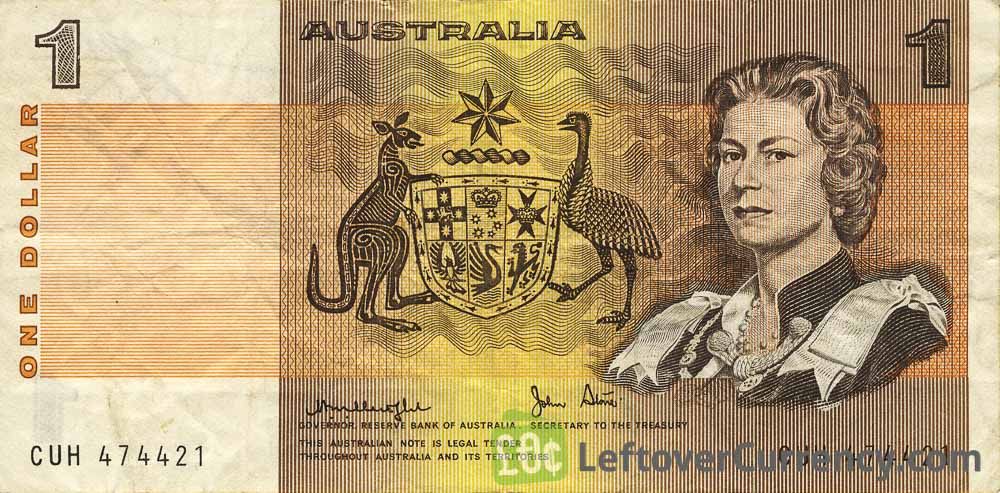
The Australian dollar is the official currency of Australia and a major global currency often traded against the US dollar. Its symbol is $ and its currency code is AUD. The Indian rupee is the official currency of India, with the symbol ₹ and the code INR. Both currencies are freely traded on the foreign exchange market, meaning their values relative to each other are set by supply and demand. The most common exchange rate for the Australian dollar is against the US dollar, while for the Indian rupee, the most common rate is also against the US dollar. These relationships often influence the cross rate between AUD and INR. The exchange rate you see quoted online, such as 1 AUD to INR, represents how many Indian rupees one Australian dollar can buy at a given moment.

How the AUD to INR Exchange Rate is Set
The primary benchmark for the AUD to INR exchange rate is the mid-market rate, also known as the interbank rate. This is the midpoint between the global buy and sell prices in the wholesale currency markets and is considered the most accurate reflection of the currency pair's value. Financial institutions and large corporations trade at rates close to this midpoint. However, individual consumers and small businesses do not receive this rate when converting money through banks or transfer services. Instead, providers add a margin or markup to the mid-market rate, which becomes the retail exchange rate offered to customers. This margin is a primary way these services generate revenue. The rate can change frequently throughout the day as new economic data is released, geopolitical events unfold, and trading volumes shift across global financial centres.
Factors That Influence the Exchange Rate
Several key economic and market factors drive movements in the AUD to INR exchange rate. Interest rate decisions by the Reserve Bank of Australia and the Reserve Bank of India are major influencers, as higher rates can attract foreign investment and strengthen a currency. Commodity prices significantly affect the Australian dollar, as Australia is a major exporter of resources like iron ore and coal. Strong commodity prices often lead to a stronger AUD. Economic growth indicators, such as GDP reports, employment data, and inflation figures from both countries, also cause the rate to move. Geopolitical stability and global risk sentiment play a role too, with investors often moving funds to perceived safe havens during uncertainty. Trade balances between the two nations and broader capital flows impact supply and demand for each currency on the forex market.
Historical Performance and Volatility
The AUD to INR rate experiences periods of both stability and significant movement. Historical data shows the rate can move within a range of several rupees over relatively short periods. For example, over a recent 90-day period, the rate saw a high of 68.7299 and a low of 65.5383, with an average of 67.5389. The change over that period was negative 1.67 percent. Over a 30-day period, the high was 68.1246 and the low was 65.5383, with an average of 66.9162 and a change of negative 2.67 percent. These figures illustrate the typical volatility, which was measured at 0.62 percent over seven days, 0.46 percent over thirty days, and 0.38 percent over ninety days in one sample period. Longer-term charts tracking the mid-market rate over twelve months or five years can show broader trends influenced by major economic events, commodity cycles, and shifts in monetary policy from both central banks.
How Canadians Convert Australian Dollars to Indian Rupees
Canadians looking to convert AUD to INR have several primary avenues, each with different cost structures. Major Canadian banks offer foreign exchange services, allowing customers to buy or sell currencies. Banks typically apply a significant exchange rate markup on top of the mid-market rate and may also charge a flat transaction fee. Specialist international money transfer services, such as Wise and Western Union, provide another option. These services often advertise using the real mid-market rate but may charge a separate, transparent fee for the transfer. Their total cost can sometimes be lower than traditional banks. Using a credit or debit card for purchases or ATM withdrawals in India is another common method. Prepaid travel cards loaded with Australian dollars are also available, though they come with their own load and usage fees.
When comparing providers, it is essential to look at the total cost, which combines the exchange rate margin and any fixed fees. A provider offering a favourable exchange rate might have high fixed fees, making it expensive for small amounts. Conversely, a service with no upfront fee might have a large markup built into the rate. Canadians should always review the full price upfront before confirming a transfer. Key steps in the conversion process include checking the current mid-market rate as a benchmark, getting a live quote from multiple banks or transfer services, and reviewing the total cost including all fees and the applied exchange rate. Further steps involve confirming the transfer method, such as bank deposit, cash pickup, or card payment, and tracking the transfer using a provided reference number like an MTCN. Security is also a consideration, with reputable providers using encryption and fraud prevention measures to protect transactions.

Fees and Costs from Banks and Transfer Services
The cost of converting AUD to INR varies considerably depending on the provider and the transfer method. Banks typically generate revenue through an exchange rate margin, which is the difference between the mid-market rate and the rate they offer the customer. This margin can be several percentage points. International money transfer specialists like Wise and Western Union have different pricing models. Wise typically uses the mid-market rate and charges a transparent, percentage-based fee based on the amount sent and the payment method. Western Union's fees depend on the transfer amount, payment method, destination, and payout option, and they also apply an exchange rate margin. Their total cost is shown as an estimate before the transaction is confirmed.
| Provider Type | Primary Cost Components |
|---|---|
| Major Banks | Exchange rate margin, flat wire transfer fee |
| Transfer Services (e.g., Wise) | Transparent fee based on amount/payment method, uses mid-market rate |
| Transfer Services (e.g., Western Union) | Variable fee based on transfer specifics, exchange rate margin |
It is important to note that the exchange rate shown on a general Google search is usually the mid-market rate, which consumers cannot access directly. The actual rate offered by any bank or transfer provider will include their margin. For larger transfers, even a small difference in the exchange rate can result in a significant cost difference in the final amount received in rupees. This is why comparing the total cost from multiple services is crucial for getting the best value on your currency conversion.
Sending Money from Canada to India
While this article focuses on AUD to INR conversion, many Canadians also send Canadian dollars (CAD) directly to India. The process and cost considerations are similar. Services like Western Union allow users to send money from Canada to over 200 countries, including India. The receiver can collect the funds in Indian rupees through bank deposit or cash pickup at an agent location. The CAD to INR exchange rate and any transfer fees are displayed before the transaction is completed. Canadians can initiate transfers online, through a provider's mobile app, or in person at an agent location. Providers use security measures like encryption and provide a tracking number, such as a Money Transfer Control Number (MTCN), to monitor the transfer's progress. It is always recommended to send money only to trusted recipients and to verify all receiver details carefully to avoid fraud.
Frequently asked questions
What is the current AUD to INR exchange rate?
The exchange rate between the Australian dollar and Indian rupee changes constantly throughout the trading day. The most accurate benchmark is the mid-market rate, which is the midpoint between global buy and sell prices. This rate is displayed live on financial websites and currency converters. The rate you actually receive from a bank or money transfer service will include a margin, so it will differ from the mid-market rate.
How can I convert Australian dollars to Indian rupees?
You can convert AUD to INR through several methods. Major banks offer foreign exchange services, though they often have higher margins and fees. Specialist international money transfer services like Wise or Western Union typically provide more competitive rates and transparent fees. You can also use a credit or debit card for transactions in India, though foreign transaction fees usually apply. Always compare the total cost, including fees and the applied exchange rate, before choosing a method.
Why does the exchange rate I get differ from the rate on Google?
Google typically displays the mid-market exchange rate, which is a wholesale benchmark rate used in global currency markets. Banks and money transfer services apply a margin or markup to this rate to generate revenue. Therefore, the retail rate offered to consumers is always less favourable than the mid-market rate. The difference covers the provider's costs and profit.
What fees are involved in sending money to India?
Fees depend on the provider and transfer method. Banks often charge a flat wire transfer fee plus an exchange rate margin. Transfer services may have a variable fee based on the amount sent, the payment method, and the payout option, along with their own exchange rate margin. Always review the full cost breakdown before sending money.
Can I set an alert for a specific AUD to INR rate?
Yes, you can set up a rate alert on some currency converter websites or within their apps. This feature will send you a notification when the mid-market exchange rate reaches your desired level. Setting an alert allows you to monitor currency shifts over time. This can help you decide when to initiate a money transfer.
Is it safe to send money internationally online?
Reputable money transfer services use encryption and fraud prevention efforts to help protect transactions. They provide a tracking number, such as an MTCN, so you can monitor your transfer in real time. For safety, you should only send money to people you know and trust. You should also verify all receiver details carefully before confirming any transaction.
Sources and further reading
- Australian dollars to Indian rupees Exchange Rate. ... wise.com
- 1 AUD to INR, Australian Dollars to Indian Rupees ... xe.com
- CAD to INR | Convert Canadian Dollar to Indian Rupee westernunion.com
This article explains how things work and is not financial, tax or legal advice. Rules, limits and rates change, so check the current figures with the Canada Revenue Agency, your province or your financial institution before you act.