The United Arab Emirates dirham (AED) and the United States dollar (USD) are two of the world's most traded currencies, with their exchange rate being a critical metric for global commerce and travel. For Canadians, understanding this currency pair is important for business dealings, international investments, or planning travel to the UAE or the United States. This article explains the nature of both currencies, the history of the peg, and the practical costs Canadians face when exchanging between these funds.
The United Arab Emirates Dirham and US Dollar
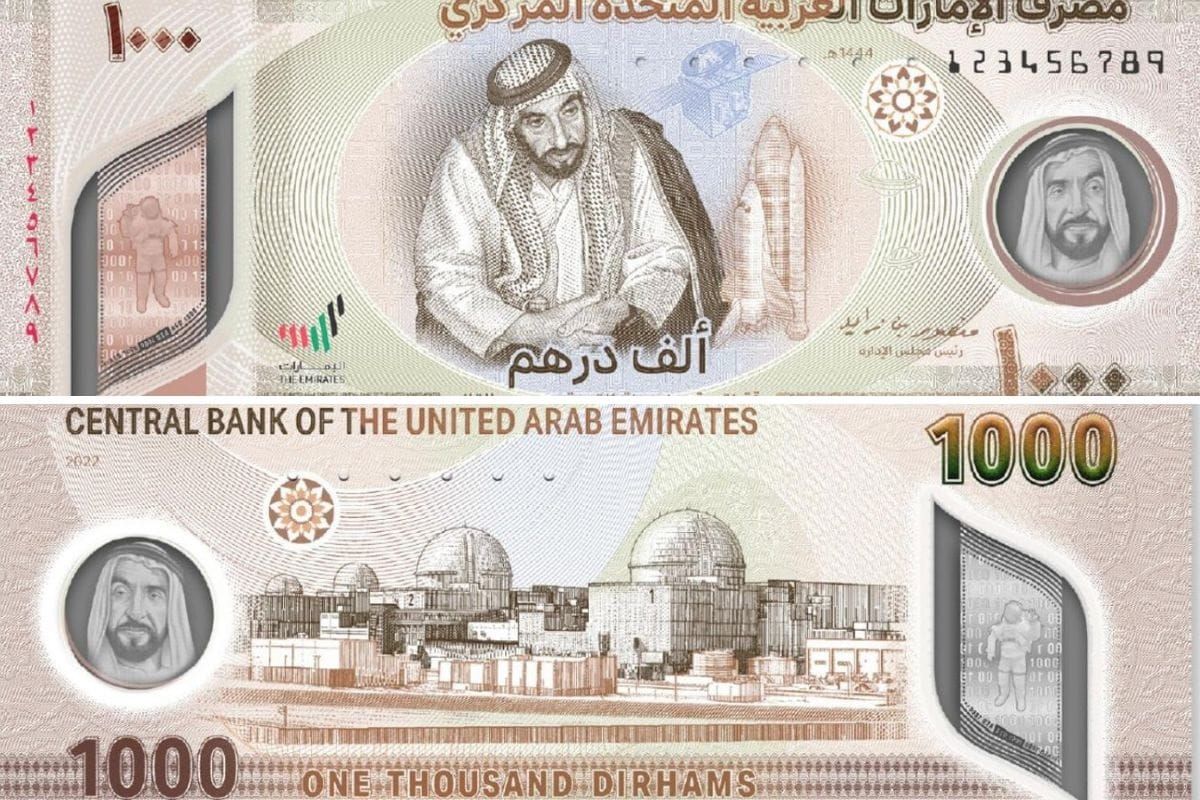
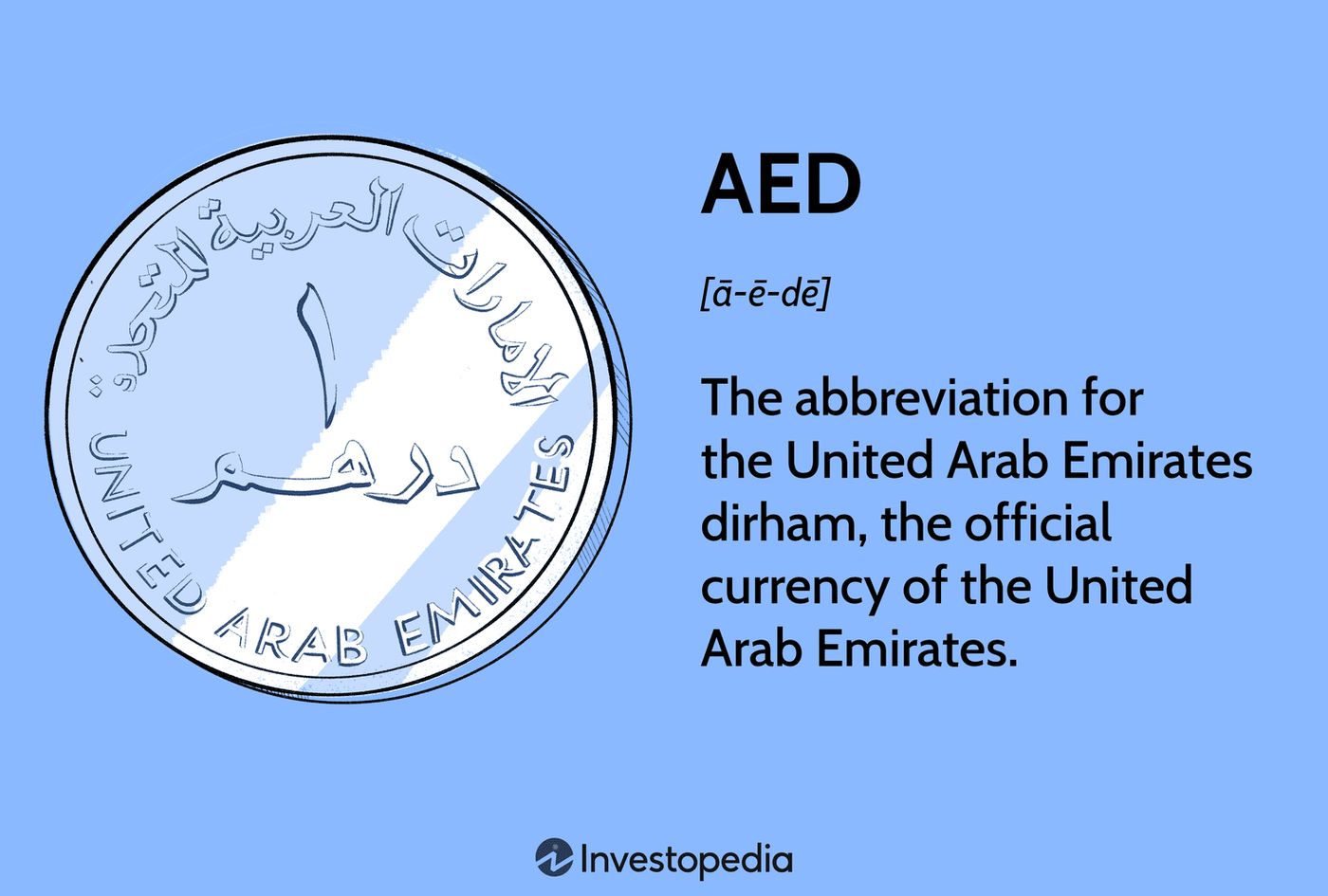
Its currency code is AED and its symbol is د.إ. The US dollar is the official currency of the United States and is the world's primary reserve currency, with the code USD and symbol $. This peg was established to provide monetary stability, reduce exchange rate risk for the oil-dependent economy, and align with major trading partners. This relationship means the AED/USD exchange rate does not fluctuate freely on the foreign exchange market like most other currency pairs.
How the Exchange Rate is Set and What Moves It
The primary determinant of the AED to USD exchange rate is the official peg maintained by the UAE Central Bank. This makes the dirham a de facto proxy for the US dollar within the region. For Canadians, the practical exchange rate from Canadian dollars to UAE dirhams involves two steps: first converting CAD to USD at the prevailing market rate, then converting that USD to AED at the fixed peg. Therefore, the value of the Canadian dollar against the US dollar is the variable that ultimately dictates how many dirhams a Canadian will receive. Economic factors that influence the CAD/USD rate include differences in interest rates set by the Bank of Canada and the US Federal Reserve, the relative prices of key exports like oil and natural gas, and broader global risk sentiment. The stability of the peg means the AED/USD rate itself is not moved by typical market forces, but the cost for Canadians to access that rate can be moved significantly by the fees and margins applied by financial service providers.
Historical Context of the Peg
When the dirham was launched, it was initially pegged to the International Monetary Fund's Special Drawing Rights (SDR), a basket of currencies. This provided a degree of stability but still allowed for some fluctuation against the US dollar. This move was strategic, aligning the UAE's economy more closely with its largest trading partners and providing a bedrock of stability for foreign investment. The peg has not been adjusted since its implementation, providing a long-term anchor for the UAE's financial system.

Notable Highs and Lows for Canadian Converters
Because the AED is pegged to the USD, historical highs and lows for Canadians are entirely a function of the Canadian dollar's strength or weakness against the US dollar. When the Canadian dollar is strong against the US dollar, Canadians receive more US dollars per CAD, and by extension, more UAE dirhams. Conversely, when the Canadian dollar weakens, the cost of acquiring dirhams rises. During such periods, converting Canadian dollars to UAE dirhams would have been exceptionally favourable. At that trough, the cost for a Canadian to obtain UAE dirhams was significantly higher. These fluctuations underscore that for Canadians, tracking the CAD/USD exchange rate is more relevant than tracking the AED/USD rate when planning currency conversion. Over shorter periods, the volatility in the AED to CAD cross-rate can be observed through its performance metrics, such as moving between a 30-day high and low with an average rate and a specific percentage change.
How Canadians Convert Money and Associated Costs
Canadians have several avenues to convert Canadian dollars into UAE dirhams or US dollars, each with different cost structures. The mid-market rate is the real benchmark rate between two currencies in the global forex market, but consumers never receive this rate directly. Financial institutions and money service businesses add a margin or spread to this rate, which is how they generate revenue from currency exchange. The total cost of conversion is this hidden margin plus any stated transaction fees. Traditional Canadian banks and airport currency kiosks typically offer the least favourable rates, often incorporating margins of 2% to 5% or more above the mid-market rate. Specialized online foreign exchange platforms and some digital money transfer services frequently advertise better rates, claiming to use or closely match the mid-market rate while charging a lower, transparent fee. It is crucial for Canadians to compare the total amount of foreign currency they will receive after all costs, not just the advertised exchange rate. Many providers allow you to see the exchange rate and all fees upfront before confirming a transfer, which is a key feature for transparency.
Detailed Cost Breakdown by Provider Type
When converting currency, the final amount received can vary dramatically depending on the service provider. The key is to look beyond the headline rate and understand the total cost, which is the sum of the exchange rate margin and any fixed fees. Banks often have higher margins but may waive fees for premium account holders. Credit cards add a foreign transaction fee on top of the network exchange rate. Online specialists may offer more competitive margins but sometimes have minimum transfer amounts. The following table outlines typical characteristics of different conversion channels available to Canadians.
| Provider Type | Typical Exchange Rate Margin | Common Additional Fees | Best For |
|---|---|---|---|
| Major Canadian Banks | 2% - 5% | Transaction fee (e.g., $10-$50), may be waived | Convenience, large in-branch transactions |
| Airport/Kiosk Exchange | 5% - 10% or more | High fixed fee or built into poor rate | Last-minute small amounts |
| Multi-Currency Accounts | Low margin on conversion | Monthly account fees may apply | Frequent conversions, holding foreign cash |
To ensure you get a good deal, always ask for the total amount in the target currency you will receive after all costs. You should compare that final amount across two or three different service providers. Services that offer real-time payment tracking and disclose all fees upfront before the transaction is finalized provide greater transparency and consumer protection. Some online platforms highlight that they use the real mid-market rate with no sneaky mark-up to hide the fees. These services show all pricing upfront and provide reliable delivery estimates for your transfer.
Steps for Canadians to Get the Best Conversion Value
To maximize the value when converting Canadian dollars to UAE dirhams, Canadians should follow a disciplined process. First, monitor the CAD to USD exchange rate, as this is the variable that affects your ultimate cost due to the AED peg. Use a financial news source or a currency converter that shows the live mid-market rate to understand the baseline. Second, avoid converting currency at airports or hotel kiosks where rates are notoriously poor. Third, if using a card abroad, always choose to be charged in the local currency (dirhams) rather than in Canadian dollars at the point of sale, as dynamic currency conversion offers a worse rate. For larger amounts, consider these specific steps:
- Research and compare rates from online foreign exchange specialists, digital banks, and your own bank.
- Look for services that guarantee the rate for a period after you lock it in.
- Check for any minimum or maximum transfer limits that may apply.
- Review the complete fee breakdown, including any receiving bank fees in the UAE.
- Consider the transfer speed if timing is important for your payment.
- Use a provider registered as a Money Services Business with FINTRAC for security.
- For recurring transfers, explore multi-currency accounts that allow you to hold and convert funds at chosen times.
By planning ahead and comparing the final deliverable amount, Canadians can avoid excessive costs and ensure more of their money reaches its intended destination. Many money transfer services allow you to set up a rate alert to be notified when your desired AED to CAD exchange rate is reached. This can help you time your transfer advantageously. It is also recommended to watch out for platforms that hide fees in the exchange rate. You should look for services that offer full transparency by showing the actual exchange rate and a separate transfer fee upfront.
Security and Regulatory Considerations for Money Transfers
When sending money internationally from Canada, security and regulatory compliance are paramount. Providers like Western Union and specialized FX platforms use encryption and fraud prevention measures to help protect your transfers. In Canada, any company offering money transfer services must be registered as a Money Services Business (MSB) with the Financial Transactions and Reports Analysis Centre of Canada (FINTRAC). This registration, such as M22941967, is a basic requirement for legal operation. It is crucial to only use registered and reputable services. Furthermore, you should only send money to people you know and trust, and always double-check the receiver's details. After sending a transfer, you will typically receive a Money Transfer Control Number (MTCN) which you can use to track the transaction online or via an app. Be aware of scams and never share your MTCN or personal banking information with unsolicited contacts. For added safety when using credit cards for cash advances in foreign currencies, remember that card-issuer cash advance fees and associated interest charges may apply, so using a debit card or other payment methods can avoid these extra costs.
Tools and Features for Managing Currency Risk
Several tools and account features can help Canadians manage the costs and risks associated with converting to UAE dirhams. Interactive currency charts that use real-time mid-market exchange rates allow you to view historical data, often up to the last five years, to identify trends. Setting a rate alert is a common feature where you specify a target AED to CAD rate and receive a notification when the market hits that level, allowing you to act on favourable moves. Multi-currency accounts, offered by some digital platforms and banks, let you hold balances in multiple currencies like CAD, USD, GBP, and EUR. You can convert between them when rates are good and then send payments locally, sometimes for free via EFT, ACH, or Interac. For businesses, some platforms offer integration with accounting systems and provide same-day transfers, instant rate quotes, and real-time payment tracking across over 180 countries. These tools help both individuals and businesses move money globally while getting more value for every dollar by minimizing hidden fees and maximizing transparency in the conversion process.
Frequently asked questions
What is the best way for a Canadian to get UAE dirhams?
The best method depends on the amount and urgency. For cash, comparing rates at banks and specialized forex dealers online before traveling is wise. For spending, using a no-foreign-transaction-fee credit card and choosing to pay in dirhams is efficient. For larger transfers, online money transfer services often provide better exchange rates and lower fees than traditional banks. Always compare the total amount of dirhams you will receive after all costs.
Is the UAE dirham pegged to the US dollar?
Yes, the United Arab Emirates dirham is pegged to the US dollar. The currency code for the United Arab Emirates Dirham is AED. Our currency rankings show that the most popular Emirati Dirham exchange rate is the AED to USD rate. This fixed relationship provides monetary stability for the UAE. Consequently, the AED to USD rate does not fluctuate on the open market like other currency pairs. All conversions involving the AED must consider this foundational peg.
Why does the AED to CAD rate change if the AED is pegged to the USD?
The AED to CAD exchange rate changes because the Canadian dollar value fluctuates independently. The currency code for Canadian Dollars is CAD. Since the AED is pegged to the USD, the AED/CAD rate is a derived cross rate based on the current USD/CAD market value. Therefore, movements in the AED/CAD pair are driven by changes in the value of the Canadian dollar. This is why the rate can experience volatility, with averages and ranges reported over specific periods like 7, 30, or 90 days.
Do Canadian banks offer good exchange rates for AED?
Canadian banks typically do not offer the most competitive exchange rates for AED. Banks often charge higher spreads or hidden fees. The mid market rate is the midpoint between buy and sell prices in global currency markets, but you won't receive this rate when sending money through a bank. Specialized foreign exchange platforms can offer better mid market rates and more transparency. Always compare multiple money transfer services before converting AED to CAD to ensure you get value.
Are there fees when using my Canadian credit card in the UAE?
Yes, there are typically fees when using a Canadian credit card in the UAE. If you're using a credit card, a card issuer cash advance fee and associated interest charges may apply. Providers may also include exchange rate markups or high transaction fees when you spend abroad. To avoid these fees or for reduced fees, use a debit card or check other payment methods. It is important to review all potential costs before using your card internationally.
How can I check the live AED to CAD exchange rate?
You can check the live AED to CAD exchange rate using online currency converters. These tools use real time mid market exchange rates and allow you to view historical data. The mid market rate is the midpoint between buy and sell prices in global currency markets. However, the rate you receive for a personal transfer may include a small margin or service fee. To see the exact exchange rate and any transfer fees, you can get a real time estimate before you confirm a transaction.
Sources and further reading
- 1 AED to CAD, Convert Emirati Dirhams to Canadian Dollars xe.com
- United Arab Emirates dirhams to Canadian dollars today wise.com
- Convert Canadian Dollar to United Arab Emirates Dirham westernunion.com
- Convert Canadian Dollars to Dirhams | CAD to AED currency.me.uk
- Convert UAE Dirham to Canadian Dollar Today venn.ca
This article explains how things work and is not financial, tax or legal advice. Rules, limits and rates change, so check the current figures with the Canada Revenue Agency, your province or your financial institution before you act.