Land transfer tax is a significant one-time closing cost paid by home buyers in most Canadian provinces when property ownership changes hands. The amount owed depends on the property's purchase price and its location, with rates and brackets varying by province and sometimes municipality. Understanding this tax is crucial for budgeting your home purchase, as it can amount to thousands of dollars. This article explains how land transfer tax is calculated, the rules across Canada, and how rebates for first-time buyers can reduce the cost.
What Is Land Transfer Tax
Land transfer tax is a provincial or municipal tax levied when ownership of a property is transferred from one person to another. In most Canadian provinces, home buyers must pay this tax as part of their closing costs when purchasing a home, condo, or vacant land. The tax is calculated based on the property's purchase price, and the specific rates and rules differ across jurisdictions. Alberta and Saskatchewan are the only provinces that do not charge a provincial land transfer tax, though buyers there still pay smaller land title transfer and registration fees. The tax is typically due at closing and is usually collected and remitted by your lawyer or notary public. It forms one of the largest portions of a buyer's closing costs and must be paid in full as a one-time payment.

How Land Transfer Tax Is Calculated
Land transfer tax is generally calculated using a tiered or bracket system, where different portions of the property's purchase price are taxed at progressively higher rates. To determine your tax, you need the property's final purchase price and the applicable tax brackets for the province and municipality where the property is located. The calculator above performs this calculation automatically by applying the correct rates to each portion of the price. For example, in Ontario, the provincial tax is calculated on slices of the value. For properties over $2 million, the portion above $2 million is taxed at 2.5 percent. If you are buying in Toronto, an additional municipal land transfer tax is calculated using its own set of brackets and rates.
The value of the consideration for tax purposes generally includes the purchase price, any liabilities assumed, benefits conferred, and soft costs like upgrades. When HST applies to the purchase of new construction, the land transfer tax is calculated on the price before HST, meaning the tax is not levied on the HST amount itself. All monetary amounts must be expressed in Canadian dollars for the tax calculation. For agreements of purchase and sale entered into after November 14, 2016, with registration on or after January 1, 2017, the current Ontario tax brackets apply. For transfers with agreements entered into on or before November 14, 2016, older tax rates apply regardless of the registration date.
Land Transfer Tax Rates Across Canada
Land transfer tax rules and rates vary significantly across Canadian provinces and territories. In most Canadian provinces, except Alberta and Saskatchewan, home buyers must pay land transfer tax when purchasing a home, condo, or vacant land. Some regions, like New Brunswick and Prince Edward Island, charge a straightforward percentage of the purchase price. Others, such as Ontario, use a complex tiered tax system where different portions of the property's value are taxed at different rates. The amount you pay depends on where the property is located and its purchase price.
| Province/Territory | Tax or Fee Structure | Key Details |
|---|---|---|
| Ontario | Tiered provincial tax | Rates from 0.5% to 2.5%. Toronto adds Municipal Land Transfer Tax. |
| British Columbia | Property Transfer Tax | Tiered rates. Offers first-time buyer exemptions. |
| Quebec | Welcome Tax | Municipal tax based on property value. |
| New Brunswick | Flat rate | 1% of the purchase price. |
| Nova Scotia | Municipal Deed Transfer Tax | No provincial LTT. Municipal rates up to 1.5%. |
| Prince Edward Island | Real Property Transfer Tax | 1% rate. Full exemption for eligible first-time buyers. |
| Newfoundland & Labrador | Registration Fee | $100 plus $0.40 per each $100 over $500. |
| Alberta | No LTT | Land title registration fees apply. |
| Saskatchewan | No LTT | Land title transfer fee of 0.4% on value over $6,300. |
| Yukon | No LTT | Land title registration fees from $50 to $750. |
In Nova Scotia, non-residents may be subject to an additional Provincial Deed Transfer Tax at a rate of 10 percent for agreements signed after March 31, 2025. This tax applies to residential property with three or fewer units and is based on the greater of the purchase price or assessed value. A non-resident who intends to move to Nova Scotia within six months may qualify for an exemption. In Prince Edward Island, the first-time home buyer exemption has no purchase price limit, a change from the pre 2016 limit of $200,000. Non first time buyers are also exempt if the property cost is below $30,000.
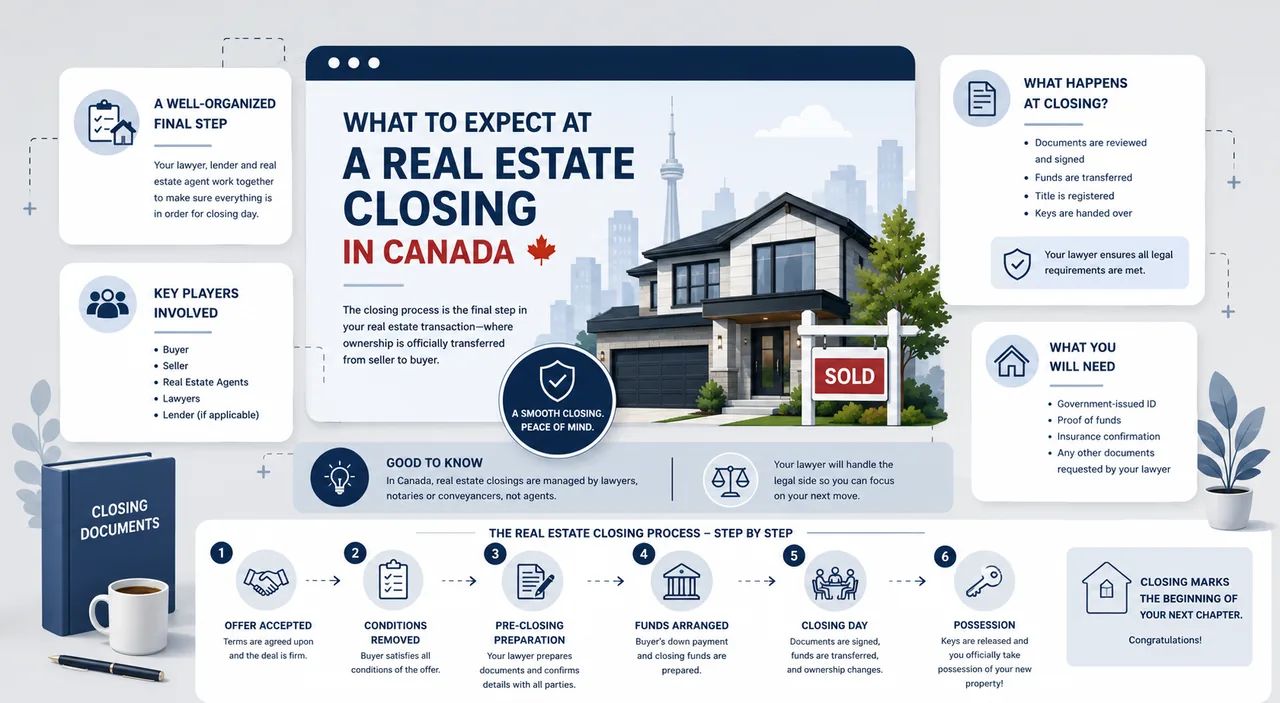
Rebates and Exemptions for First-Time Buyers
Several provinces and municipalities offer rebates or exemptions on land transfer tax for eligible first-time home buyers. These programs can significantly reduce or eliminate this closing cost. In Ontario, eligible first-time buyers can receive a provincial rebate of up to $4,000. This rebate covers the full tax amount on homes up to $368,000. For homes over that price, the buyer receives the maximum $4,000 and must pay the remaining balance. To qualify, the buyer must be at least 18 years old, occupy the home as a principal residence, and must not have previously owned a home anywhere in the world. The application for the refund must be made within 18 months after the purchase. The City of Toronto offers a separate municipal land transfer tax rebate for first-time buyers of up to $4,475.
British Columbia and Prince Edward Island also offer exemptions or reduced land transfer tax under certain conditions for first-time purchasers. In Prince Edward Island, to qualify for the full exemption, the buyer must have resided in the province for 183 consecutive days before the purchase or occupy the new home for at least 183 consecutive days. It is important to check the specific eligibility requirements in your province, as they can vary. These rebates are a key way for governments to assist new entrants into the housing market.
Other Exemptions and Special Cases
Beyond first-time buyer programs, other limited exemptions from land transfer tax may apply in specific circumstances. These often involve transfers between family members or for farming purposes. For example, transferring a property to a lineal descendant like a parent to a child may be exempt. Transferring a property from a person to a family business or transferring a farming property between family members might also avoid the tax. However, these exemptions typically apply only if no money changes hands and no mortgage or other debt is assumed as part of the transfer. Each province has its own detailed rules governing these exemptions, so consulting a legal expert or checking provincial guidelines is essential.
In Ontario, buyers must also be aware of the Non Resident Speculation Tax. Effective October 25, 2022, this tax applies at a rate of 25 percent on the purchase of residential property by foreign nationals, foreign corporations, or taxable trustees. It is levied in addition to the standard provincial land transfer tax. For new home construction where a contract is part of the purchase of a vacant lot, the land transfer tax value of the consideration is calculated on the purchase price of the lot plus the cost of the construction contract. Soft costs, which can include items like landscaping or upgrades, are also included in the value of the consideration for tax purposes, and any embedded HST in those costs is not deducted.

A Worked Example Using Ontario Rates
Consider a residential property in Ontario with a purchase price of $500,000. Using the provincial tax brackets effective for agreements after November 14, 2016, the land transfer tax is calculated step by step on portions of the price. The first $55,000 is taxed at 0.5 percent, which equals $275. The amount over $250,000 up to $400,000 is $150,000 taxed at 1.5 percent, equaling $2,250.
If the buyer is an eligible first-time home buyer, they would qualify for a rebate of up to $4,000. Since the full tax amount on a $500,000 property exceeds $4,000, the buyer would receive the maximum rebate. Their net provincial land transfer tax payable would be $6,475 minus $4,000, which equals $2,475. Should this property be located within the City of Toronto, an additional Municipal Land Transfer Tax would be calculated using Toronto's brackets and rates, and the buyer could also apply for the separate Toronto first-time buyer rebate of up to $4,475 against that municipal tax. This example illustrates the tiered calculation method and the substantial impact a rebate can have on the final cost.
Key Dates and Thresholds for Ontario Land Transfer Tax
Several important dates and monetary thresholds govern Ontario's land transfer tax rules and rebates. The tax brackets changed for agreements of purchase and sale entered into after November 14, 2016, with registration occurring on or after January 1, 2017. For transfers with agreements entered on or before November 14, 2016, the older rates apply regardless of the registration date. The provincial first-time home buyer rebate has a maximum value of $4,000. This rebate fully covers the tax on homes with a purchase price up to $368,000. For the City of Toronto's Municipal Land Transfer Tax, revised graduated rates apply to transactions registered or payable on or after April 1, 2026. The Toronto rebate for first-time buyers has a maximum value of $4,475.
- November 14, 2016: Cutoff date for agreement of purchase and sale determining which tax brackets apply.
- January 1, 2017: Effective date for current Ontario LTT brackets for eligible agreements.
- $368,000: Purchase price threshold where Ontario's $4,000 rebate covers the full tax amount.
- $4,000: Maximum Ontario provincial first-time home buyer rebate.
- April 1, 2026: Effective date for revised Toronto MLTT rates.
- $4,475: Maximum Toronto MLTT first-time home buyer rebate.
- 18 months: Deadline to apply for the Ontario first-time buyer rebate after purchase.
- October 25, 2022: Effective date for the 25% Non-Resident Speculation Tax rate.
For other provinces, notable dates include March 31, 2025, after which Nova Scotia's 10 percent Non-resident Provincial Deed Transfer Tax applies to agreements of purchase and sale signed. In Prince Edward Island, the removal of the purchase price limit for the first-time home buyer refund occurred prior to 2016. Nova Scotia offers an exemption from this tax for non-resident individuals who intend to move to the province within six months of the property transfer. Keeping these dates and figures in mind is crucial for accurate tax planning when purchasing property.
Frequently asked questions
Do I pay land transfer tax if I am a first-time home buyer in Ontario?
Yes, first-time home buyers in Ontario are still required to pay land transfer tax upon purchase. However, they may qualify for a provincial rebate of up to $4,000. This rebate can eliminate the tax entirely on homes costing up to $368,000 and reduce the amount owed on more expensive properties. To qualify, buyers must be at least 18 years old, occupy the home as their principal residence, and not have previously owned a home anywhere in the world. The rebate application must be submitted within 18 months after the purchase.
Which Canadian provinces do not charge land transfer tax?
Alberta and Saskatchewan are the only provinces that do not charge a provincial land transfer tax. However, buyers in these provinces still must pay land title transfer and registration fees. In Alberta, these are flat registration fees for the property transfer and mortgage. In Saskatchewan, a land title transfer fee applies, which is 0.4 percent of the property value for amounts over $6,300, plus a mortgage registration fee based on the mortgage amount.
Is there an extra tax for buying a home in Toronto?
Yes, if you purchase a property within the City of Toronto, you must pay an additional Municipal Land Transfer Tax on top of the provincial Ontario land transfer tax. Toronto has its own set of tax brackets and rates. The city also offers a separate rebate for eligible first-time home buyers of up to $4,475. Revised municipal rates apply to transactions registered or payable on or after April 1, 2026.
Can land transfer tax be avoided?
In limited circumstances, exemptions from land transfer tax may apply. These can include transferring a property to a lineal descendant like a parent to child, transferring a property from a person to a family business, or transferring a farming property between family members. Such exemptions usually require that no money changes hands and no mortgage debt is assumed. Each province has its own specific rules, so consulting local government guidelines or a legal expert is necessary to confirm eligibility.
Who is responsible for paying land transfer tax in Canada?
The buyer of the property is always responsible for paying the land transfer tax. It is a closing cost that must be paid when ownership is transferred, typically at the time of closing. The tax is usually collected and remitted to the government by the buyer's lawyer or notary public as part of the final settlement. Unlike annual property taxes, land transfer tax is a one-time payment due in full upon taking possession of the property.
How is land transfer tax calculated in Ontario?
Ontario land transfer tax is calculated using a tiered tax bracket system applied to the property's purchase price. For properties valued over $2 million, the portion above $2 million is taxed at a rate of 2.5 percent. The total tax payable is the sum of the calculated amounts for each applicable bracket. This tax is a mandatory provincial closing cost for most property purchases, and eligible first time home buyers may qualify for a rebate to reduce the amount owed.
Sources and further reading
- Land Transfer Tax in Canada ratehub.ca
- Land Transfer Tax Calculator oreb.ca
- Land Transfer Tax Calculator for Canadian Provinces 2026 wowa.ca
- Calculating Land Transfer Tax ontario.ca
- Canada Land Transfer Tax Calculator nerdwallet.com
This article explains how things work and is not financial, tax or legal advice. Rules, limits and rates change, so check the current figures with the Canada Revenue Agency, your province or your financial institution before you act.