A gold price calculator is an online tool that estimates the value of gold items based on real-time market data. For Canadians looking to sell scrap jewellery, coins, or bars, it provides a crucial starting point for understanding potential payouts. The calculation considers the item's weight, purity in karats, and the current live gold spot price in Canadian dollars. Using this tool helps sellers and buyers make informed decisions before visiting a dealer for a final, in-person appraisal.
How a Gold Price Calculator Works
The core function of a gold price calculator is to convert the physical attributes of a gold item into a monetary value using live market data. The fundamental formula it employs is multiplying the item's pure gold content by the current market price per unit of weight. This requires two essential pieces of information from the user: the total weight of the item and its purity, expressed in karats. The calculator then determines the amount of pure, or fine, gold within the item by applying a percentage multiplier based on the karat value. For instance, 18 karat gold is 75% pure gold, so a 10-gram 18K item contains 7.5 grams of pure gold. This pure gold weight is then multiplied by the live price of gold per gram or per ounce to generate a gross melt value estimate.
The result from this basic calculation represents the theoretical raw material value of the gold content before any business costs are considered. It is important to understand that this gross figure is not the final amount a seller will receive from a dealer. Reputable calculators often feature dual modes for selling and buying to provide more realistic figures. The selling mode estimates what a refinery or gold buyer might pay, which is typically lower than the gross melt value. The buying mode helps a purchaser determine a fair ceiling price when buying gold from a seller. These modes adjust the result by accounting for operational costs like dealer commissions, refining fees, or assay charges, providing a net value estimate.
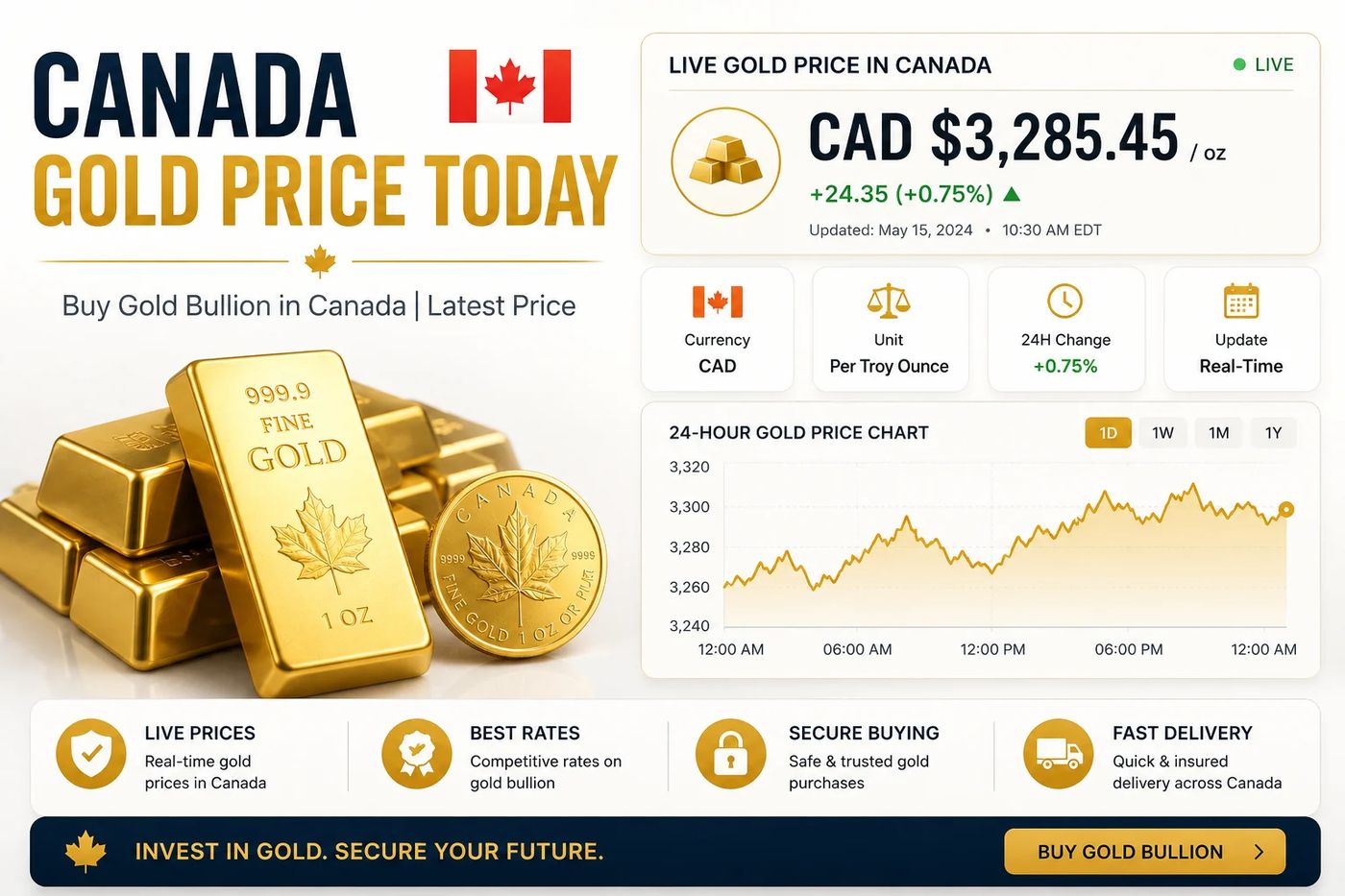
Since gold prices fluctuate constantly on global commodities markets, a quality calculator updates its underlying price feed in real time. This means the valuation for the same item can change from morning to afternoon based on market movements. The standard quotation unit for gold is the troy ounce, which is equivalent to 31.1034768 grams. Canadian calculators primarily display prices in Canadian dollars (CAD) per troy ounce, but they perform internal conversions to provide a price per gram for easier calculation with smaller items. The accuracy of the final estimate is entirely dependent on the accuracy of the inputs provided by the user, making precise measurement critical.
Required Inputs for an Accurate Estimate
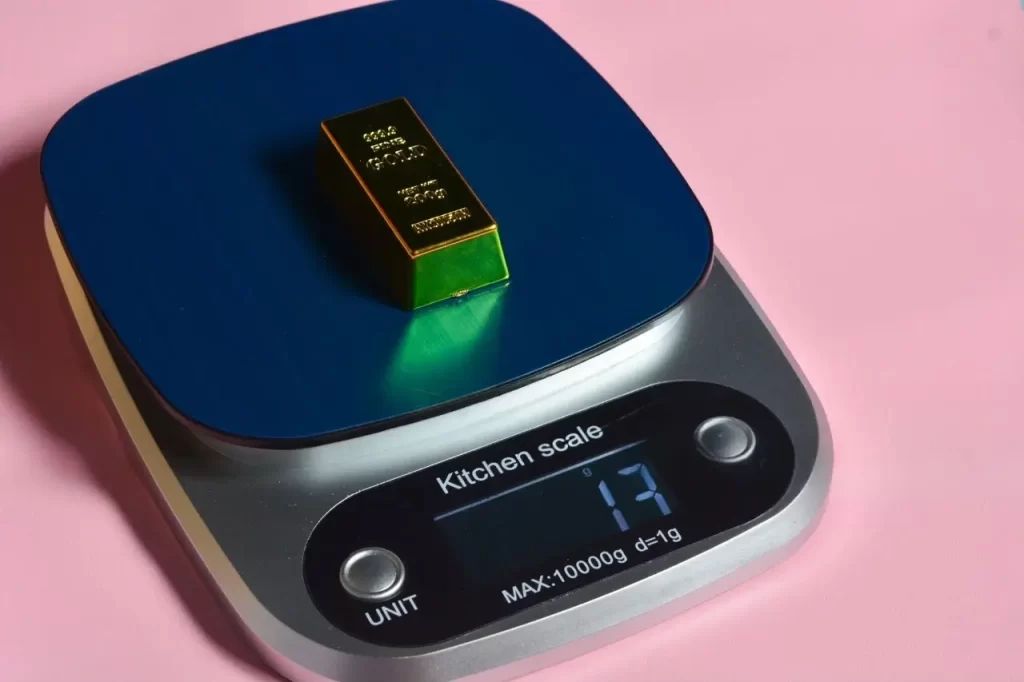
To generate a useful valuation, a gold calculator requires you to enter specific details about your item. The weight is the most fundamental input and must be measured as accurately as possible. Most calculators accept weight in grams or pennyweights, with grams being the most common unit for small items like jewellery in Canada. Using a digital gram scale before entering data is highly recommended for precision, as estimates based on guesswork can lead to significant discrepancies in the calculated value. Some advanced calculators may also accept weights in kilograms or troy ounces for larger items such as bars.
The second critical input is the purity or fineness of the gold, almost always selected from a dropdown menu of common karat values. Karat (K) indicates the proportion of pure gold in the alloy, with 24K being 100% pure. Selecting the correct karat is vital because the calculator uses this percentage to determine the actual weight of pure gold in your item. Misidentifying a 14K piece as 18K will artificially inflate the estimated value.
Beyond these core inputs, some calculators may have optional fields or settings that influence the final figure. The most important optional setting is choosing between selling mode and buying mode, which applies different margins to the base calculation. Calculators designed for specific buyers may also have fields to account for their particular fee structure, though the exact fees are usually confirmed during an in-person evaluation. It is important to note that all inputs are used to generate an estimate only. The final offer from a reputable dealer like Canada Gold is always confirmed based on live market rates during a physical appraisal at their store, where they can verify weight and purity firsthand.
Understanding Selling Mode Versus Buying Mode
Gold calculators typically offer two distinct operational modes to cater to different transactions. The selling mode is designed for individuals or businesses looking to sell their gold items to a refinery, jeweller, or dedicated gold buyer. This mode provides a realistic estimate of the net payout one might receive after the buyer's costs are deducted. These costs can include the dealer's commission, refining fees, assay charges, and other operational expenses. The result in selling mode is therefore lower than the gross melt value, reflecting the business reality of purchasing scrap gold. It serves as a helpful benchmark, allowing sellers to shop around and compare estimated offers from different buyers before making a trip to a physical location.
The buying mode serves the opposite purpose, assisting jewellers or individual buyers who are looking to purchase gold. This mode helps establish a fair maximum price to pay based on the current market value of the metal content. It provides a clear price ceiling to prevent overpaying when buying from another seller or at auction. For example, if you are considering purchasing a gold coin from a private seller, the buying mode can help you verify if their asking price is reasonable relative to its gold content and the live spot price. This mode is crucial for maintaining transparency and ensuring that retail purchases are aligned with wholesale metal values.
Understanding which mode to use is essential for interpreting the calculator's results correctly. Using the selling mode when you intend to buy will give you an inaccurately low value, while using the buying mode when you intend to sell will create an unrealistically high expectation. Reputable dealers encourage the use of these tools to set informed expectations, but they always emphasize that the final transaction price is determined in person. This is because factors like the condition of premium jewellery, the presence of diamonds, or the numismatic value of certain coins can only be assessed by a skilled appraiser and may command prices above the simple melt value calculated online.
What Impacts the Final Payout for Your Gold
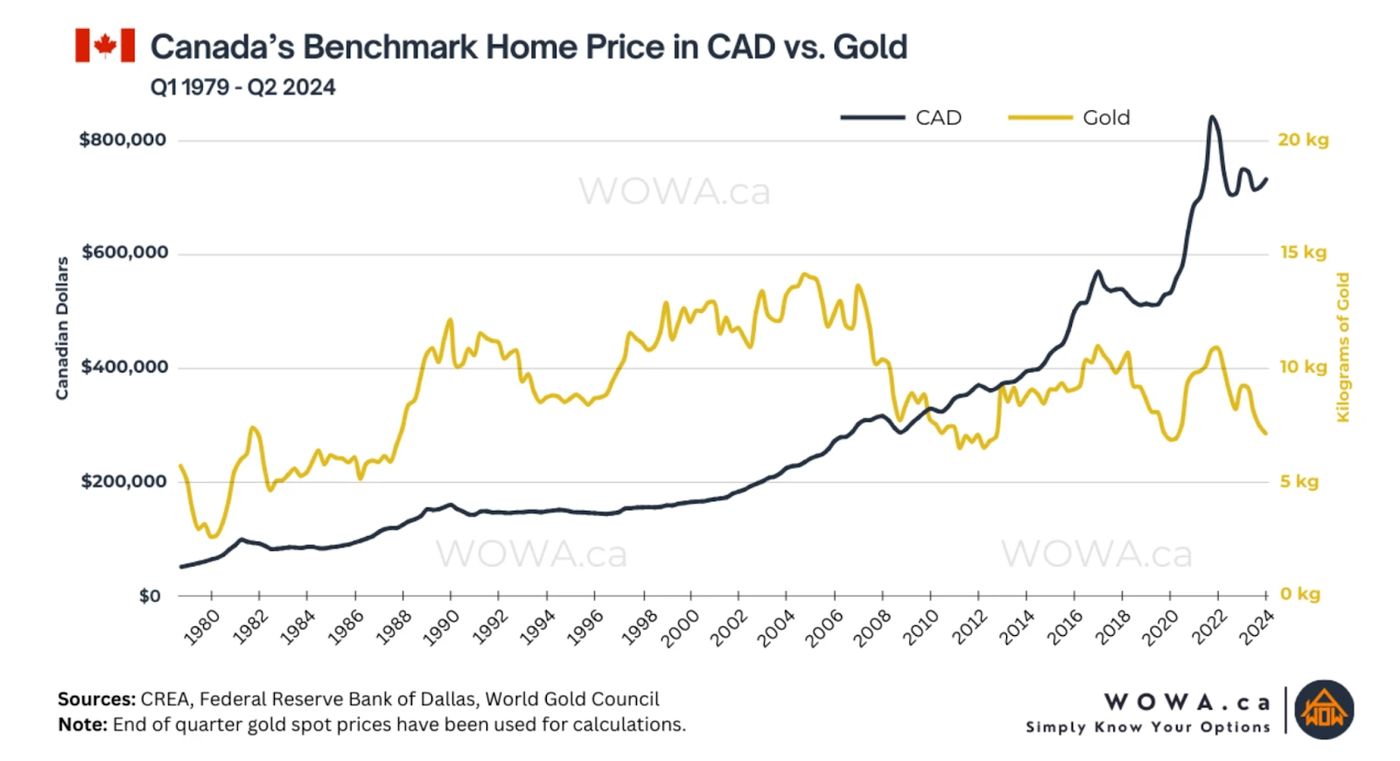
The estimated value from an online calculator is a starting point, but several key factors determine the actual cash payout you receive from a Canadian gold buyer. The most significant factor is the live market price of gold at the moment of the transaction, which is why offers are confirmed in store based on real-time rates. The weight and purity of your item, as verified by the buyer's scales and testing methods, form the non-negotiable foundation of the offer. However, the type of item you are selling has a major impact on the price. Standard scrap gold, which is destined for refining, is typically paid at a rate that is a percentage of its melt value.
Certain categories of items often receive higher payouts. Premium and designer jewellery from brands like Cartier or Tiffany, diamond jewellery with stones over half a carat, and investment-grade gold coins and bars frequently command better rates. These items may have collectible, aesthetic, or brand value beyond their raw gold content. For instance, some buyers pay over the gold spot price for older Canadian and American gold coins due to their numismatic value. Similarly, bullion bars from recognized refiners are considered investment-grade and may qualify for higher buyback rates through a dedicated bullion calculator.
The business model and fee structure of the buyer you choose will directly affect your net payout. Some companies advertise no hidden commissions or refining fees, aiming to pay a higher percentage of the gold's value, with some claiming to pay as much as 95% compared to competitors who may pay as little as 40%. It is advisable to be wary of buyers making vague claims like "Highest Prices Guaranteed" or "120% Price Guarantee," as these can be misleading marketing tactics. Shopping around and comparing estimated payouts per gram for different karats from local buyers is a recommended practice to ensure you receive a competitive offer for your specific items.
Items Commonly Purchased by Canadian Gold Buyers
Canadian gold buying companies are interested in a wide variety of items containing precious metals. They purchase gold in all forms, including new, old, or broken jewellery. This encompasses everything from simple chains and rings to premium designer pieces. Beyond jewellery, they actively buy gold bars, both small and large, as well as gold coins from Canada and around the world. Dental gold, such as crowns and bridges, is another common source of scrap gold that buyers will evaluate and purchase based on its gold content.
The scope of purchases extends beyond just gold. Reputable buyers also purchase other precious metals, including silver and platinum. For silver, this includes sterling silver tableware, old Canadian and American silver coins minted before certain years, and silver bars. For platinum, items like labware and jewellery are of interest. Some buyers also have specialists on staff to purchase better-quality diamonds that are half a carat and larger, as well as luxury watches from brands like Rolex, Patek Philippe, and Omega. They often provide free, no-obligation estimates for all these items in their stores.
- Gold: New, old, or broken jewellery. Bars. Coins. Dental gold. Nuggets.
- Platinum: Jewellery. Labware.
- Diamonds: Stones half a carat and larger, evaluated by a gemologist.
- Watches: Luxury brands such as Rolex, Cartier, and Omega.
- Numismatics: Older Canadian, American, and foreign coins and paper money.
For sellers, it is important to know that different items within these categories may be priced differently. A standard gold bracelet will be valued primarily on its melt weight, while a vintage Canadian gold coin may attract a premium. Similarly, a diamond ring will be evaluated both for its gold content and the separate value of its stones. This is why an in-person appraisal by skilled staff is necessary to provide an accurate, firm offer that reflects all aspects of the item's value.
The Process from Online Estimate to Final Payment
Using an online gold calculator is the first step in a process that typically ends with an in-person transaction. After getting an instant estimate online, the next step is to take your items to a physical location for a free evaluation. During this appraisal, a trained staff member will verify the weight using calibrated scales and test the purity using professional methods like acid tests or electronic testers. This step is crucial because it confirms the accuracy of the data you entered into the calculator. All final prices are confirmed based on the live market rates at that exact time in the store.
Following the evaluation, the buyer will present you with a firm, no-obligation cash offer. If you accept the offer, payment can often be made immediately. Many Canadian gold buyers advertise same-day payment, allowing you to walk out with cash. For those who prefer or require a mail-in service, some companies offer a free insured shipping kit. You send your items to their facility, where they are evaluated, and a member of their team contacts you with a confirmed offer within one business day. If you accept, payment is issued promptly, though this method may involve a refundable deposit on the shipping kit.
Businesses, jewellers, dental offices, and industrial accounts often have access to preferred trade pricing, which requires a registered account. These accounts may receive higher rates and priority processing. Regardless of whether you are an individual or a business, it is standard practice for reputable buyers to provide free estimates with no obligation to sell. This allows you to compare offers without pressure. The entire process is designed to be transparent, with the online calculator setting initial expectations and the in-store appraisal providing the definitive, actionable offer.
A Worked Example of a Gold Valuation
Let us walk through a hypothetical calculation using figures consistent with the current market data. Assume you have a gold bracelet that is stamped 18 karat and weighs 10 grams. The live gold price is C$5,787.65 per troy ounce. The first step is to convert the price to a per-gram basis.
The next step is to determine how much pure gold is in your 18K bracelet. Eighteen karat gold is 75% pure gold. The gross melt value is calculated by multiplying this pure gold weight by the price per gram. If you are using the calculator in selling mode, it will deduct estimated costs to show what a buyer might pay. This example illustrates how purity dramatically affects value and why accurate inputs are essential for a meaningful estimate.
Frequently asked questions
How accurate is an online gold price calculator?
An online calculator provides an estimate based on the data you enter and the live gold price at that moment. Its accuracy depends heavily on your precise measurement of weight and correct identification of purity. The final, accurate offer always comes from an in-person appraisal where a professional verifies these details using calibrated scales and testing methods. Market prices also change, so an estimate from the morning may differ by the afternoon.
Will I get the full melt value shown by the calculator when I sell?
No, you will not receive the full gross melt value. Reputable calculators have a selling mode that estimates the net payout after accounting for a buyer's legitimate business costs, such as refining fees, commissions, and operational expenses. The actual payout can vary between buyers, with some paying a higher percentage of the melt value than others. Premium items like coins or designer jewellery may receive offers closer to or even above the melt value.
What items do gold buyers pay the most for?
Buyers typically pay higher rates for items that hold value beyond their raw metal content. This includes premium and designer jewellery from brands like Cartier or Tiffany. Buyers also pay more for diamond jewellery with larger stones, typically half a carat and larger, which are graded by a GIA certified gemologist. Investment grade gold coins and bars, as well as certain older numismatic coins such as older USA and Canadian gold coins, attract higher payouts. Standard scrap gold jewellery is usually paid at a rate based on its melt value, while these other categories may attract premiums due to their collectibility, brand, or condition.
How do I get the best price when selling my gold in Canada?
To get the best price, first use an online calculator to establish a baseline estimate. Then, shop around and get free, no-obligation appraisals from several reputable buyers to compare offers. Be wary of vague marketing claims like "highest price guaranteed. Ask if there are any hidden commissions or fees. Remember that items like coins, bars, and premium jewellery often qualify for better rates, so choose a buyer that specializes in or offers preferred pricing for your specific type of item.
Can I sell gold by mail in Canada, and is it safe?
Yes, some Canadian gold buyers offer a mail-in service with a free insured shipping kit. They typically require a refundable deposit for the kit, which is returned when your items arrive. After evaluation at their facility, a team member contacts you with a firm offer. If you accept, payment is issued. While this can be safe with established, reputable companies, an in-person sale allows for immediate verification and same-day payment, which many sellers prefer.
What is the difference between 24K, 18K, and 14K gold in the calculator?
The karat indicates the purity of the gold, which directly determines its actual worth. The calculator uses these percentages to adjust the calculation based on the amount of pure gold in your item. For instance, a 10 gram item of 18K gold contains 7.5 grams of pure gold. This difference in purity is why the calculator allows you to instantly compare the price of 24K gold against other more common alloys like 18K and 14K, which are often used in jewellery.
Sources and further reading
- Scrap Gold Calculator canadagold.ca
- Free Gold Calculator Canada goldcalculator.ca
- Gold Scrap Calculator, Canada Or, Ville de Québec quebecgold.ca
- Scrap Gold Price Calculator goldvancouver.ca
- Scrap Gold & Silver Calculator Canada goldstockcanada.com
This article explains how things work and is not financial, tax or legal advice. Rules, limits and rates change, so check the current figures with the Canada Revenue Agency, your province or your financial institution before you act.