A customs bond is a financial guarantee required by the Canada Border Services Agency (CBSA) that ensures duties, taxes, and fees on imported goods will be paid and that all import regulations will be followed. It acts as a three-party contract between the importer, the surety provider, and the government, shifting the risk of non-payment away from the public treasury. In Canada, bonds are essential for obtaining Release Prior to Payment (RPP) privileges, allowing goods to enter the commerce of the country before final duties are settled. Understanding customs bonds is critical for any business involved in importing, as they are a foundational component of the CBSA's Assessment and Revenue Management (CARM) initiative and the broader supply chain.
What a Customs Bond Is and How It Works
A customs bond is a legal contract that functions as a guarantee to the Canadian government. It involves three parties: the principal (importer or carrier), the surety (the bond provider), and the obligee (the CBSA). The bond ensures that the CBSA will receive all owed duties, taxes, and fees even if the importer defaults. This arrangement is not insurance for the cargo itself but rather a financial safeguard for the government's revenue. The bond allows for the immediate release of imported goods prior to the final determination and payment of tariffs, a process known as Release Prior to Payment. If an importer fails to pay or violates regulations, the CBSA can make a claim against the bond. The surety company then pays the claim and seeks reimbursement from the importer, who remains ultimately liable.
The system exists to protect government revenue while facilitating trade by allowing goods to move quickly through the border. Before the widespread use of bonds, importers had to pay duties in a lump sum at the time of importation, which could strain capital and force untimely sales. The bonded system defers this payment until the goods are needed for consumption. In Canada, the bond is often a continuous bond, meaning it is self-renewing and covers all transactions through any port of entry for an ongoing period. This contrasts with a single transaction bond, which covers only one specific shipment. The bond amount represents the maximum financial coverage, while the importer pays an annual premium to the surety company for this guarantee.

Types of Customs Bonds and Security in Canada
Several specific types of bonds are used within the Canadian import regime, each tailored to different participants in the supply chain. The most common for commercial importers is the Release Prior to Payment bond, often referred to as an RPP bond or D120 bond. This bond enables importers to have their goods released from CBSA custody before paying duties and taxes. Since the enforcement of CARM Phase 2, the minimum amount for this continuous bond is CAD $25,000. Licensed customs brokers must also post security of CAD $50,000, which can be in the form of a D120 Canada Customs Bond, to protect the CBSA against financial loss while the broker's licence is active.
Carriers and warehouse operators also require specific bonds. Bonded highway carriers transport goods inland from the first point of arrival and must post financial security ranging from CAD $5,000 to CAD $25,000. Bonded marine carriers must post a CAD $25,000 continuous bond to participate in programs like the Marine Overland Movement Program. Customs Bonded Warehouses, where goods can be stored or manipulated without duty payment, require a bond calculated as 60 percent of the maximum duties and taxes that would be payable on goods in the warehouse in any given year. For temporary imports, where goods will be re-exported, a Temporary Importation Bond can be posted as security for full duty relief.
- Release Prior to Payment (RPP) Bond: Minimum CAD $25,000 continuous bond for importers.
- Customs Broker Bond (D120): CAD $50,000 security for licensed brokers.
- Bonded Highway Carrier Bond: Continuous bond from CAD $5,000 to CAD $25,000.
- Bonded Marine Carrier Bond: CAD $25,000 continuous bond.
- Customs Bonded Warehouse Bond: 60% of potential annual duties and taxes.
- Temporary Importation Bond: Security for duty-free temporary imports.
The CARM Initiative and Its Impact on Bonds
The CBSA Assessment and Revenue Management (CARM) initiative is modernizing the collection of duties and taxes for commercial goods imported into Canada. A central pillar of CARM is the requirement for importers to provide their own financial security directly to the CBSA, rather than relying on their customs broker's bond. Prior to CARM, many importers used Broker Backed Security, where the broker's bond covered the importer's transactions. Programs like Importer Direct and GST Direct have been folded into the new CARM framework. Importers who were part of these programs may need to adjust their security amounts to meet the new regulations.
Under CARM, commercial importers wishing to use Release Prior to Payment privileges must secure their own financial security through the CARM Client Portal. This can be done by posting a cash deposit or by obtaining a D120 surety bond from a provider. The minimum bond amount is set at CAD $25,000. This shift places the responsibility for financial guarantees directly on the importer of record. The change aims to increase compliance and revenue security for the CBSA. For importers, it means proactively managing their bond relationship and ensuring sufficient coverage is in place before goods arrive at the border to avoid delays.
Bonded Warehouses and In-Bond Operations
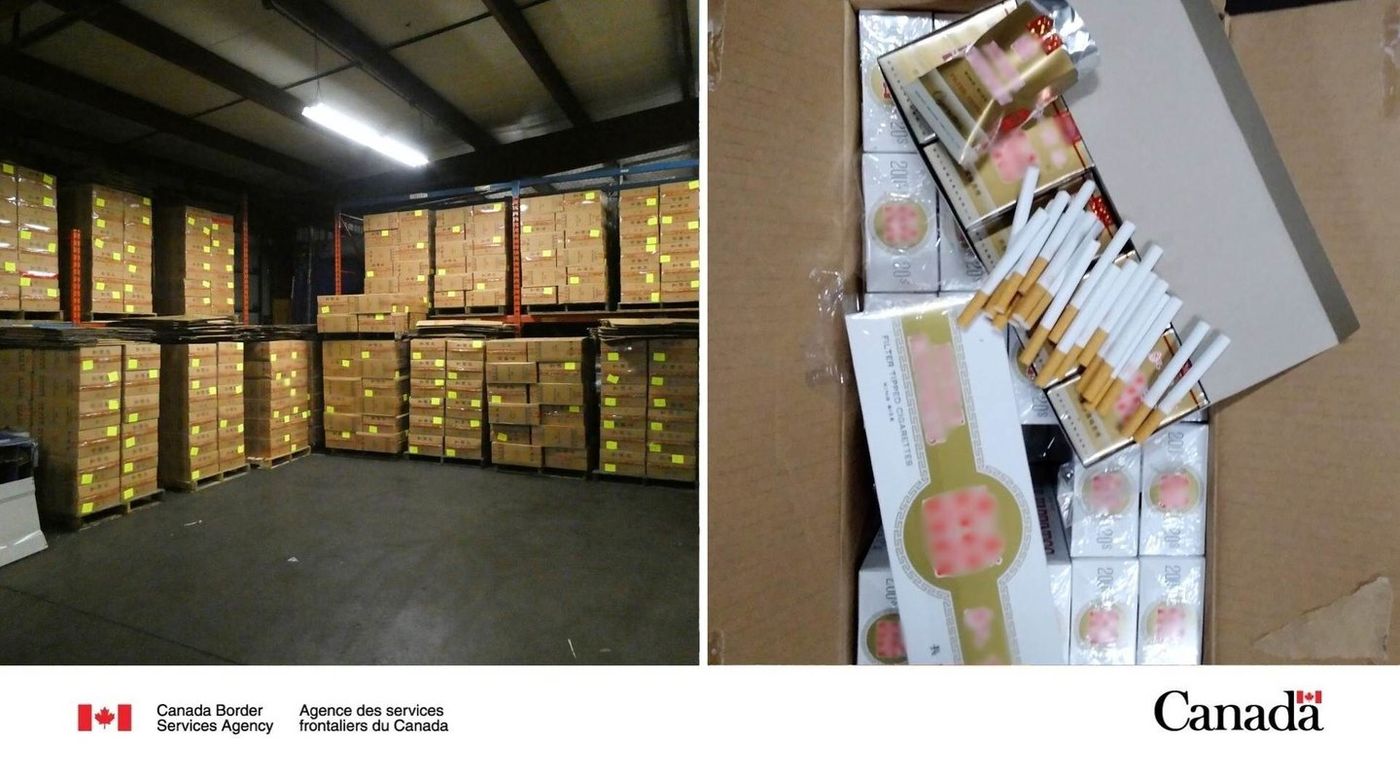
A bonded warehouse is a building or secured area approved by the CBSA where imported dutiable goods can be stored, manipulated, or undergo certain operations without payment of duty. Goods may remain in bond for up to five years from the date of importation in many jurisdictions, including the United States, though specific Canadian limits may apply. While in the warehouse, goods can be cleaned, sorted, repacked, or undergo other processes that do not amount to manufacturing, all under customs supervision. The liability incurred when goods enter the warehouse is generally cancelled when the goods are exported, withdrawn for consumption upon duty payment, supplied to vessels in international traffic, or destroyed under supervision.
Bonded warehouses in Canada can be private, operated by a company for its own goods, or public, operated for the storage of goods from various importers. The warehouse proprietor must post a bond, calculated as noted earlier. These facilities provide specialized storage and are integral to global supply chains, allowing for deferred duty payments and value-added activities. Bonded operations also extend to transportation. Bonded highway and marine carriers can move goods that have not yet been released by the CBSA from the first point of arrival to another location inland for clearance, facilitating efficient logistics.
Historical Development of Bonded Systems
The concept of bonded warehousing originated to solve significant inconveniences in early trade systems. Before their establishment, duties on imported goods had to be paid immediately upon importation, or a bond with security for future payment was required. This system posed several problems for importers who might lack the capital for a lump-sum duty payment, forcing untimely sales when market prices were low. It also stifled competition by requiring large capital for heavily taxed goods. The idea was proposed in England by Robert Walpole in 1733 but was not adopted until 1803, when imported goods could be placed in approved warehouses with bonds given for duty payment upon removal.
The Customs Consolidation Act of 1853 eliminated the need for individual bonds, and subsequent acts refined the system. Warehouses, known as king's warehouses, were approved by customs authorities. The system proved advantageous, allowing duty payment to be deferred until goods were required for consumption and making warehouse warrants transferable. While in bond, owners could perform processes like repacking tea or bottling wines. Bonded warehousing is now a standard feature in developed countries worldwide. In Canada, the system has evolved through initiatives like CARM to enhance security and modernize revenue management.
Rules, Penalties, and Compliance Requirements
Compliance with CBSA regulations surrounding bonds and in-bond movements is mandatory and enforced with penalties. Highway carriers, for example, have 30 days after receiving their carrier code to obtain bar-coded labels for their shipments. Failure to present these labels upon arrival at the border after the 30-day grace period results in an administrative penalty of CAD $1,000. For non-bonded carriers who need to move a single shipment inland for release, a single trip authorization bond can be posted at the first point of arrival using cash, a certified cheque, or through a customs broker.
Applications for bonded carrier status must be made to the CBSA using specific forms, and security must be posted as outlined in official memoranda. All highway carriers transporting goods into Canada must transmit cargo and conveyance data electronically to the CBSA prior to arrival. The bond itself is a continuous guarantee, and the named party on the bond is liable for claims. If the CBSA makes a claim due to unpaid duties or regulatory violations, the surety pays and then seeks reimbursement from the bonded party. This structure underscores the importance of importers and carriers understanding and adhering to all customs regulations to avoid financial claims.
Comparing Canadian and United States Bond Systems
While both Canada and the United States use customs bonds to guarantee revenue, their structures and requirements differ. In the US, a customs bond is required for commercial imports valued at USD $2,500 or more, or for any goods regulated by another federal agency regardless of value. The US system offers two main types: single entry bonds for individual shipments and continuous bonds covering all imports for a year. The continuous bond also covers the Importer Security Filing for ocean freight. In Canada, the primary mechanism is the continuous RPP bond under CARM, with a set minimum of CAD $25,000.
A key difference is the movement toward importer-held security in Canada via CARM, whereas in the US, importers can still often use a customs broker's bond. The cost structures also vary. In the US, the bond premium is a small percentage of the bond amount, which is tied to the value of goods and duties. In Canada, the bond amount is often a fixed minimum or a calculated figure based on potential duty liability, not directly on each shipment's value. Both systems aim to protect government revenue while enabling efficient trade, but the specific rules and thresholds importers must manage are distinct.
| Aspect | Canada (CARM) | United States |
|---|---|---|
| Common Bond Type | Continuous (RPP/D120) | Single Entry or Continuous |
| Minimum Bond Amount | CAD $25,000 (RPP) | Based on duties paid (Continuous) |
| Trigger Value | N/A (for RPP privilege) | USD $2,500 for commercial goods |
| Broker Security | CAD $50,000 | Varies |
| Primary Agency | Canada Border Services Agency | U.S. Customs and Border Protection |
Frequently asked questions
Who needs a customs bond in Canada?
Commercial importers who wish to use Release Prior to Payment privileges to have goods released before duty payment need a bond under the CARM system. Licensed customs brokers require a CAD $50,000 bond. Bonded highway carriers, marine carriers, and warehouse operators also require specific bonds. Essentially, any entity involved in moving or storing goods before full duties are paid typically needs some form of customs bond or security.
What is the minimum customs bond amount in Canada?
Since the enforcement of CARM Phase 2, the minimum bond amount for a Release Prior to Payment bond is CAD $25,000. This is a continuous bond that covers all import transactions. For bonded highway carriers, the bond amount ranges from CAD $5,000 to CAD $25,000. Bonded marine carriers must post a CAD $25,000 bond. These amounts represent the financial security required by the CBSA.
What is the difference between a single entry and a continuous bond?
A single entry bond covers one specific shipment through one port of entry. A continuous bond is self-renewing and covers all import transactions through any port for a set period, usually one year. In Canada, the RPP bond is a continuous bond. For infrequent importers, a single transaction authorization may be possible, but for regular import activity, a continuous bond is the standard requirement under CARM.
What happens if I don't have a customs bond?
Without the required bond or security, the CBSA will not release your commercial shipment. The goods will be held at the port or border until the importer either pays the duties and taxes in full upfront or posts the necessary bond. This leads to significant delays, storage fees, and potential supply chain disruptions. Ensuring a bond is in place before goods arrive is crucial.
How does CARM change the requirement for customs bonds?
The CBSA's CARM initiative requires importers to provide their own financial security directly to the agency, moving away from reliance on a customs broker's bond. This means importers must post a cash deposit or obtain a surety bond, such as the D120 Canada Customs Bond, through the CARM Client Portal to qualify for the Release Prior to Payment program. This shift places the responsibility and liability for duty and tax guarantees directly onto the importer of record. The most common bond under CARM is the RPP bond, which is a continuous, self-renewing bond. Since CARM Phase 2 enforcement, the minimum bond amount required is CAN$25,000.
Can a non-bonded carrier transport goods in Canada?
Yes, a non-bonded highway carrier can transport goods into Canada, but all shipments must be released and cleared at the first port of arrival. They are not permitted to transport goods inland under bond. If such a carrier needs to move a single shipment inland for release at another CBSA office, they must apply for a single trip authorization bond at the border. This single trip authorization can be secured by posting security with the CBSA using cash or a certified cheque, or by engaging a customs broker who provides this service.
Sources and further reading
- Customs bond (Wikipedia) en.wikipedia.org
- Canada Customs Bonds Explained roanokegroup.com
- Highway carriers cbsa-asfc.gc.ca
- Importer Bonds: Understanding Continuous & Single Entry ... pcbusa.com
- Canadian Customs Bonds ghy.com
- What Is a Customs Bond? A US Importer's Guide borderbuddy.com
This article explains how things work and is not financial, tax or legal advice. Rules, limits and rates change, so check the current figures with the Canada Revenue Agency, your province or your financial institution before you act.