Wealthsimple offers a Registered Savings Account that can be opened as a Tax-Free Savings Account (TFSA), which pays interest on cash held within it. The interest rate is tiered based on the client's total assets held with Wealthsimple, ranging from 1.25% for core clients to up to 2.25% for qualifying Generation clients. This interest is earned tax-free, aligning with the core benefit of a TFSA. Understanding these rates and the associated rules helps Canadians effectively use this account for tax-advantaged savings.
Understanding Wealthsimple's TFSA Interest Rates
Wealthsimple's primary interest-bearing TFSA product is its Registered Savings Account. It is crucial to understand that a TFSA is a type of account registration, not an investment product itself. The Wealthsimple Registered Savings Account is one specific product that can be registered as a TFSA. The interest paid on cash within this account is not a single flat rate but varies according to the client's total asset tier with Wealthsimple. For clients with less than $100,000 in total assets, the interest rate is 1.25%. Clients who qualify for the Wealthsimple Premium tier, typically by holding over $100,000 in assets, receive an interest rate of 1.75%. The highest tier, for qualifying Wealthsimple Generation clients, offers an interest rate of 2.25%. These rates apply to the cash balance held within the Registered Savings Account and are paid without a set promotional end date. All interest earned is sheltered from tax because the account is registered as a TFSA.
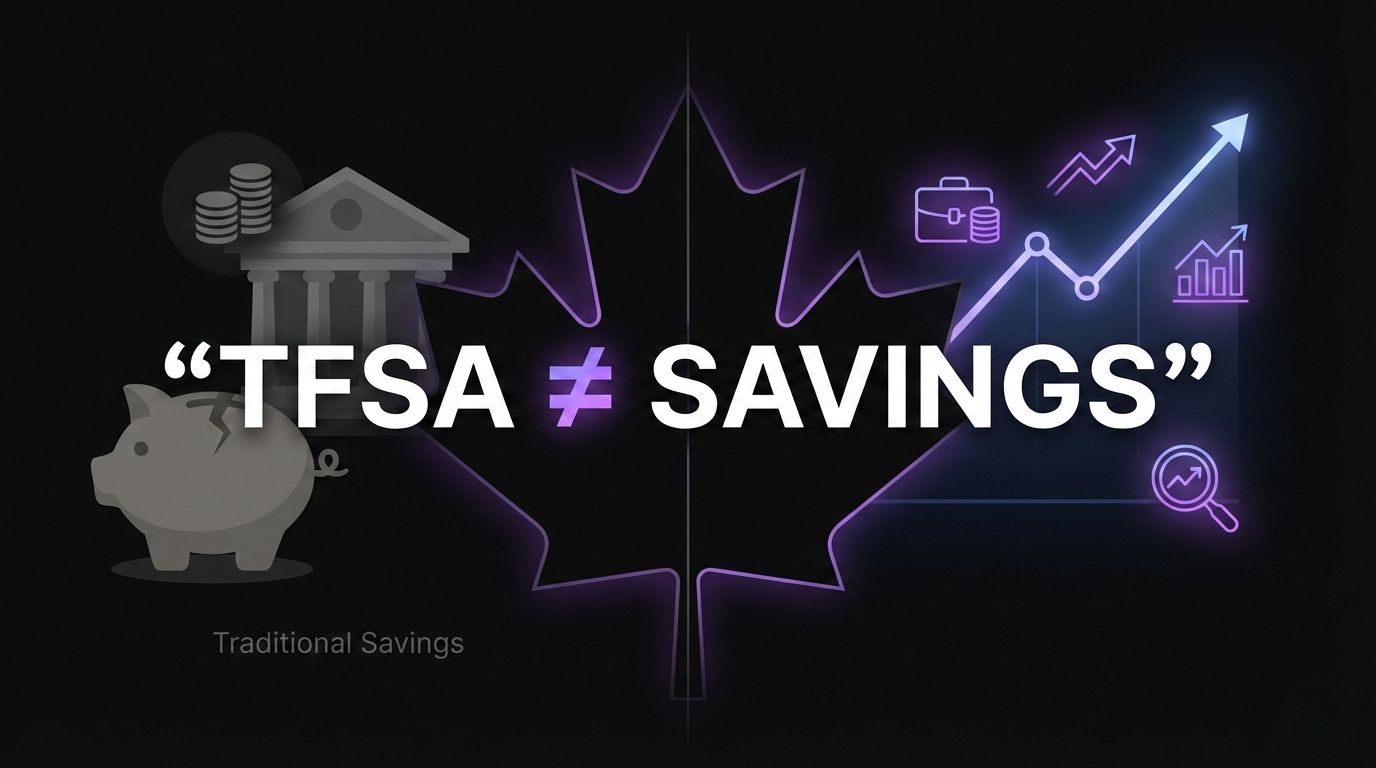
TFSA Rules and Contribution Limits
A Tax-Free Savings Account is a registered account where investment income, including interest, dividends, and capital gains, accumulates free of tax. Withdrawals from a TFSA are also tax-free and can be made at any time for any purpose. The key regulatory feature is the annual contribution limit set by the federal government. For the 2026 tax year, the annual contribution limit is $7,000. Contribution room is cumulative, meaning any unused room from previous years carries forward indefinitely. If you have been at least 18 years old and a resident of Canada since the TFSA program began in 2009, your total cumulative contribution room could be as high as $109,000. It is essential to track your contributions because over-contributing results in penalties from the Canada Revenue Agency. Your personal contribution room can be found by logging into your CRA My Account online.
Withdrawal rules are equally important for planning. When you withdraw money from your TFSA, the amount withdrawn is added back to your contribution room. However, this room is not reinstated until January 1 of the following calendar year. This rule prevents individuals from repeatedly contributing and withdrawing the same funds within a single year to circumvent contribution limits. There are no joint or spousal TFSA accounts. Each individual must open their own account based on their personal contribution room. The account is solely owned, and contribution room is personal and non-transferable between individuals.
Eligibility and How to Open an Account
To be eligible to open a TFSA in Canada, you must meet two primary criteria. First, you must be a resident of Canada, though certain qualifying non-residents may also be eligible. Second, you must be at least the age of majority in your province or territory, which is 18 years old in most provinces. Opening a Wealthsimple Registered Savings Account as a TFSA follows a process similar to opening any online financial account. You will need to provide personal identification information and your Social Insurance Number. Wealthsimple, as a financial services provider, will verify your eligibility and identity. Once the account is open, you can fund it through a bank transfer or by initiating a transfer from an existing TFSA held at another institution. Wealthsimple offers a incentive for transferring existing TFSAs, covering fees for transfers over $25,000.
Wealthsimple offers a incentive for transferring existing TFSAs. If you transfer more than $25,000 to Wealthsimple from another financial institution, the company will cover any transfer fees charged by your previous provider. It is important to initiate this as a direct transfer between institutions to avoid accidentally making a withdrawal and contribution, which could impact your contribution room. After your account is funded, the applicable interest rate based on your asset tier will be applied to the cash balance. You can also choose to use the funds within the TFSA to purchase other eligible investments through Wealthsimple's platform, which includes over 14,000 stocks and ETFs in a Trade account or a managed portfolio. This flexibility allows the TFSA to be used for short-term savings or long-term investment goals.
Common Mistakes to Avoid with TFSAs
Many Canadians encounter pitfalls when managing their TFSAs, which can lead to unnecessary taxes or penalties. A frequent error is over-contribution, which occurs when you deposit more than your available contribution room. The CRA charges a penalty tax of 1% per month on the excess amount until it is withdrawn. Another common misunderstanding involves the timing of withdrawn contribution room. People often mistakenly believe they can re-contribute funds they withdrew within the same calendar year, but they must wait until the next year. Failing to track contributions across multiple accounts is also a risk, as the CRA's contribution room calculation is aggregate across all your TFSAs. This makes it vital to keep your own records in addition to checking the CRA.
Choosing an account based solely on a promotional interest rate without understanding the underlying product can be another mistake. Some financial institutions offer high promotional rates that expire after a few months, after which the rate drops significantly. Wealthsimple's tiered rates are not promotional and do not have a set end date, but they are contingent on maintaining a specific asset level. Furthermore, using a TFSA for frequent, day-to-day trading or as a regular chequing account is generally not advisable due to potential transaction limits and the risk of accidentally over-contributing from frequent deposits and withdrawals. Finally, not reinvesting income earned within the TFSA can limit its growth potential, as the power of the account comes from tax-free compounding over the long term. A TFSA might be a good option for savings goals requiring a withdrawal before retirement, but it is not designed for daily transactions.
Comparing TFSA Providers in Canada
When selecting a TFSA provider, Canadians should compare several factors beyond just the advertised interest rate. Financial institutions across Canada, including traditional banks, credit unions, online banks, and investment firms like Wealthsimple, offer TFSA products. Evaluation criteria often include the annual percentage yield, minimum balance requirements, account fees, digital banking experience, and access to other investment products. Many online banks and specialized financial institutions tend to offer higher interest rates compared to the major traditional banks. Some accounts, however, are restricted to residents of a single province, such as accounts from ATB Financial for Alberta residents or Island Savings for British Columbia residents. The Financial Services Regulatory Authority of Ontario oversees providers in that province, and other provinces have similar regulators.
The following table lists a selection of TFSA providers available in Canada. This list highlights the variety in the market and is not exhaustive. Over 50 financial institutions, including traditional banks, credit unions and online banks, offer these accounts. Nearly 30 currently available high interest TFSAs are examined for such lists. The competitive landscape includes providers like Achieva Financial, ATB Financial, Canadian Tire, FirstOntario Credit Union, Island Savings, MAXA Financial, Meridian Credit Union, National Bank of Canada, Outlook Financial, Saven Financial, and Wealthsimple.
| Financial Institution | Account Name | Note |
|---|---|---|
| Achieva Financial | TFSA Daily Interest Savings Account | Nationwide |
| ATB Financial | Tax-Free Saver Account | Alberta residents only |
| Canadian Tire Bank | Tax Free High Interest Savings Account | Nationwide |
| FirstOntario Credit Union | TFSA Investment Savings Account | Ontario only |
| Wealthsimple | Registered Savings Account (TFSA) | Nationwide, tiered rates |
| National Bank of Canada | Cash Advantage Solution TFSA | Nationwide |
Providers are evaluated on their overall value, which includes scalable investment options for future goals and ease of banking, such as the ability to withdraw cash without restrictions. It is important to read the specific terms and conditions of any account, as some may have transaction limits or fees for certain activities. For instance, some TFSAs may have minimum balance requirements to earn the advertised rate or may limit the number of free withdrawals per month. Other providers to consider include MAXA Financial, Meridian Credit Union, Outlook Financial, and Saven Financial, each with their own specific account offerings and conditions.
Investment Options Within a Wealthsimple TFSA
A Wealthsimple TFSA is not limited to just holding cash and earning interest. The TFSA registration can be applied to different types of accounts that hold a wide range of eligible investments. Beyond the Registered Savings Account, Wealthsimple offers a Managed Investing account and a Trade account that can both be registered as TFSAs. The Managed Investing account is a robo-advisor service where Wealthsimple creates and manages a diversified portfolio of exchange-traded funds based on your goals and risk tolerance. The Trade account is a self-directed brokerage account that allows you to buy and sell over 14,000 stocks and ETFs commission-free. You can also automate your investments and use instant deposits up to $250,000.
The types of qualified investments that can be held in any TFSA, including those at Wealthsimple, are defined by the Canadian government. These include cash, stocks listed on designated exchanges, bonds, guaranteed investment certificates (GICs), mutual funds, and certain shares of small business corporations. The flexibility to hold these investments means a TFSA can be used for various financial goals, from short-term savings for a down payment in a high-interest savings product to long-term growth through a portfolio of stocks and ETFs. The common thread is that all investment income and growth within the account remains tax-free. This makes the TFSA a versatile tool for both saving and investing, depending on your financial approach and timeline. If you are familiar with other registered accounts, the same type of investments can be held in a TFSA, providing a familiar structure for tax-free growth.
Frequently asked questions
What is the current Wealthsimple TFSA interest rate?
Wealthsimple offers tiered interest rates on cash held in its Registered Savings Account (TFSA). The rate is 1.25% for core clients with less than $100,000 in total assets. For Premium clients with over $100,000 in assets, the rate is 1.75%. Qualifying Generation clients can earn up to 2.25% interest. These rates apply to the cash balance and are not promotional, meaning they have no set end date.
How much can I contribute to my TFSA in 2026?
The annual TFSA contribution limit for the 2026 tax year is $7,000. This amount is added to your cumulative contribution room on January 1, 2026. Your total available room includes this new limit plus any unused contribution room carried forward from all previous years since you became eligible. If you have been eligible since 2009, your maximum lifetime room could be $109,000.
Can I withdraw money from my Wealthsimple TFSA anytime?
Yes, you can withdraw money from your TFSA at any time for any purpose without tax consequences. The withdrawn amount is added back to your contribution room. However, this room is not available for you to re-contribute until January 1 of the following calendar year. This rule is a federal TFSA regulation and applies to all providers, not just Wealthsimple.
What investments can I hold in a Wealthsimple TFSA?
Within a Wealthsimple TFSA, you can hold cash, stocks, bonds, GICs, and mutual funds. You can hold the cash in a Registered Savings Account to earn interest. You can also use a Managed Investing account for a professionally managed portfolio or a Trade account to buy and sell over 14000 stocks and ETFs. These are all qualified investment products that can grow tax free in the account.
How do I transfer an existing TFSA to Wealthsimple?
You can transfer your TFSA to Wealthsimple by following easy steps to initiate a direct transfer from your current institution. It is important to use the transfer process rather than withdrawing and re contributing. A direct transfer does not affect your contribution room. Better yet, if you move more than 25000 dollars, Wealthsimple will cover your transfer fees.
Who is eligible to open a TFSA in Canada?
To open a TFSA, you must be a resident of Canada (or a qualifying non-resident) and be at least the age of majority in your province or territory. In most provinces, the age of majority is 18. You also need a valid Social Insurance Number. There is no upper age limit for contributing to a TFSA, unlike with an RRSP.
Sources and further reading
- Tax-Free Savings Account (TFSA) wealthsimple.com
- Best TFSA Interest Rates in Canada for 2026 nerdwallet.com
This article explains how things work and is not financial, tax or legal advice. Rules, limits and rates change, so check the current figures with the Canada Revenue Agency, your province or your financial institution before you act.