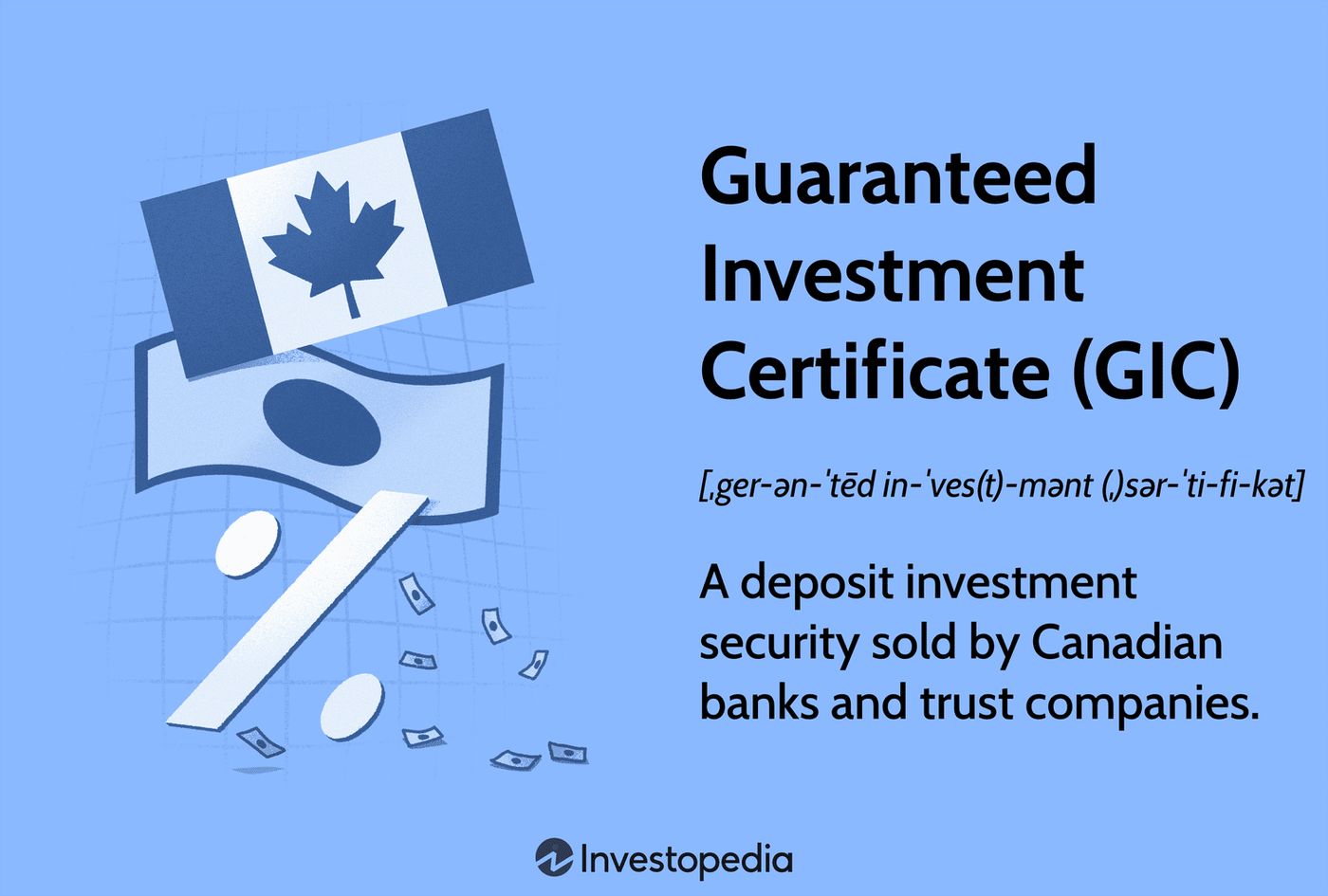
TD Bank offers a range of Guaranteed Investment Certificate (GIC) rates, providing Canadians with a low-risk option to grow their savings. These investments are principal-protected and eligible for CDIC insurance up to $100,000. Understanding the different types of GICs, their terms, and how interest is paid is essential for making an informed investment decision.
Types of TD GICs and Their Current Rates
TD Bank structures its GIC offerings into several distinct categories, each with different features, terms, and interest rate structures. The primary types are cashable, non-cashable, market growth, special offer, and U.S. dollar GICs. Cashable GICs provide flexibility, allowing you to access your funds early, often after a minimum holding period like 30 days. An example is the TD 1 Year Cashable GIC, which offers a rate of 2.50% for all investment amounts. Market Growth GICs offer returns linked to the performance of a market index, such as the TD Canadian Banks GIC, which has a 3-year term with a maximum total return of 20% over the term. Special Offer GICs are promoted for a limited time and can feature competitive rates, such as a 14-month term at 3.05% or an 18-month term at 3.25%. U.S. dollar GICs are available for terms from one to five years, with rates starting at 3.90% for a one-year term on amounts between $5,000 and $24,999.99.
The interest rates for these products are generally expressed as an annual percentage rate, unless otherwise indicated as a total return over the entire term. For instance, some market-linked GICs advertise a maximum return of 32% over five years, which is not an annualized rate. It is crucial to read the specific details of each GIC to understand how the interest is calculated and paid. Rates can also vary based on the investment amount, with some products offering tiered rates for different deposit levels. For example, the TD 3-year Premium Rate Cashable GIC offers 1.80% for amounts over $100,000. The minimum investment to open most TD GICs is $500 Canadian, though some products, including U.S. dollar GICs, require a minimum of $1,000.
Key Rules and Features of TD GICs
Investing in a TD GIC involves understanding several important rules regarding eligibility, insurance, and account registration. To purchase a GIC, you must be a Canadian resident who has reached the age of majority in your province or territory and be registered for TD's EasyWeb online banking. Your investment is protected by the Canada Deposit Insurance Corporation for up to $100,000 per insured category at each CDIC member institution, which includes TD Bank. This insurance covers the principal and any accrued interest within the limit, providing a high degree of security for your funds. GICs can be held within various registered accounts, including Tax-Free Savings Accounts (TFSA), Registered Retirement Savings Plans (RRSP), Registered Retirement Income Funds (RRIF), Registered Education Savings Plans (RESP), and First Home Savings Accounts (FHSA), each offering different tax advantages.
Holding a GIC in a registered account like a TFSA allows your investment to grow tax-free, while interest earned in a non-registered account is generally taxed as income in the year it is earned. TD Bank does not provide tax advice, and you should consult a tax advisor for your personal situation. The interest on GICs is paid in different ways depending on the specific product, such as annually, quarterly, or at maturity. Some GICs, like the 5-year stepper GIC, automatically renew for successive terms with potentially increasing rates each year. It is important to note that U.S. dollar GICs are only offered in non-registered plans. When your GIC matures, the principal and interest are automatically deposited into your linked TD account unless you instruct the bank otherwise, such as to reinvest the funds.
Step-by-Step Process to Buy a TD GIC
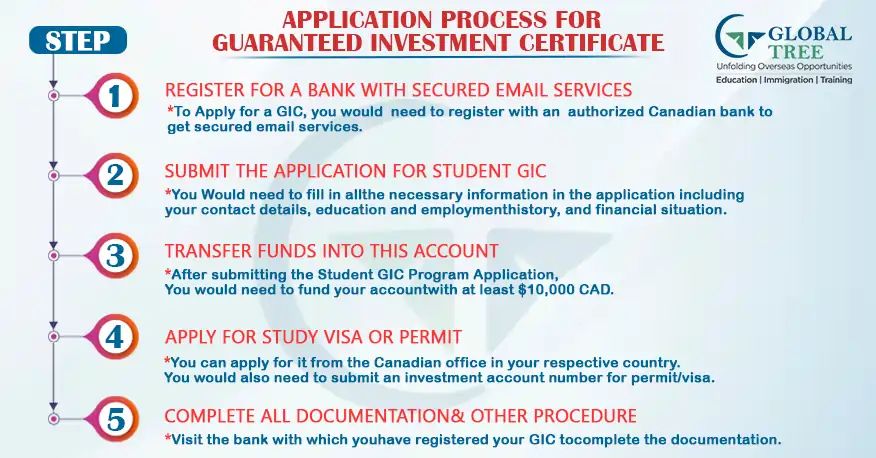
Purchasing a GIC from TD Bank is a straightforward process, especially for existing customers. The first step is to ensure you meet the basic eligibility requirements, including being of age and having an active TD banking relationship. You must also have the minimum required funds available in your account, which is typically $500 for Canadian dollar GICs and $1,000 for U.S. dollar products. Before investing, use tools like the GIC selector on TD's website or speak with a personal banker to determine which type of GIC aligns with your financial goals and timeline. Consider factors such as how soon you might need the money, your risk tolerance, and whether you want the tax benefits of a registered account. The most efficient way to buy a TD GIC is online through EasyWeb while logged into your account.
The online platform will guide you through selecting the GIC type, term, and amount, and will confirm the applicable interest rate before you commit. If you prefer, you can also complete the process by phone with a TD contact centre representative or in person at any TD Canada Trust branch. During the application, you will need to provide personal information, including your Social Insurance Number, especially for registered accounts. You must also specify which existing TD account will fund the GIC and which account will receive the funds at maturity. After the purchase is complete, you will receive confirmation, and the GIC will appear in your account summary.
- Confirm you meet age and account eligibility requirements.
- Decide on the GIC type, term, and investment amount based on your goals.
- Ensure sufficient funds are available in your TD account.
- Log into EasyWeb, call TD, or visit a branch to make the purchase.
- Provide required personal details and select funding/maturity accounts.
- Review and confirm the GIC details, including the interest rate, before finalizing.
Common Mistakes to Avoid With GICs
One frequent mistake is not comparing rates across different financial institutions before investing, as GIC rates are competitive and can vary. Another error involves misunderstanding the interest rate presentation, particularly for market-linked or special offer GICs where a prominently displayed figure like 20% or 32% represents the total return over the entire term, not an annual rate. Investors should always check whether the rate is per annum or a total figure. Failing to plan for liquidity needs is another common pitfall. Locking funds into a long-term non-cashable GIC without considering potential future expenses can lead to inconvenience or loss of interest if an early withdrawal is necessary, which may not even be permitted. Overlooking the impact of account registration on taxes is another area where mistakes occur.
Interest earned in a non-registered GIC is taxable annually, which can affect your net return, whereas holding the GIC in a TFSA shelters that growth. Not setting instructions for maturity is also a typical oversight. If you do not provide instructions, the GIC principal and interest will simply be deposited into your account, potentially missing an opportunity to reinvest automatically. Finally, some investors do not verify the CDIC coverage limits, assuming all their deposits are fully insured without considering that the $100,000 limit applies per insured category at each member institution. This means a single individual could have more than $100,000 insured across different categories at the same bank, such as deposits in one name, joint deposits, and deposits in registered accounts.
How TD GIC Rates Compare to Other Banks
GIC rates in Canada are influenced by the Bank of Canada's policy interest rate and competition among financial institutions. While TD offers a wide product selection, other banks and digital banks also provide competitive GIC products. For example, BMO offers a 5-year non-cashable GIC at 3.100% and a market-linked Blue Chip GIC with a potential return up to 40.0% over its term. Digital banks like EQ Bank, Simplii Financial, and Tangerine are also known for offering competitive standard and bonus rates on their GIC products. It is important for investors to research and compare rates, terms, and features across multiple providers to ensure they are getting a suitable product for their needs. The table below provides a snapshot of sample GIC rates from TD and a competitor for common terms, based on available information.
| Financial Institution | Product Type | Term | Sample Rate |
|---|---|---|---|
| TD Bank | Non-Cashable GIC | 5 Years | 3.55% |
| TD Bank | Cashable GIC | 1 Year | 2.50% |
| BMO | Non-Cashable GIC | 5 Years | 3.100% |
These rates are subject to change and should be verified directly with the institutions. When comparing, consider not just the rate but also the flexibility, such as cashability, minimum investment, and eligible account types. Some institutions may offer higher rates on shorter-term GICs due to current market conditions, while others might have more attractive long-term guarantees. For instance, TD currently offers a Special Offer GIC with a 100-day cashable term at 1.80%, which provides a different option for short-term liquidity.
Provincial and Federal Regulations for GICs
GICs in Canada are primarily governed by federal regulations through the Bank Act and provincial securities laws where applicable. The most significant federal protection for GIC investors is provided by the Canada Deposit Insurance Corporation, a federal Crown corporation. CDIC insures eligible deposits at member institutions, including TD Bank, up to $100,000 per depositor per insured category. The seven insured categories include deposits held in one name, joint deposits, deposits in trust, and deposits held in registered accounts like RRSPs and TFSAs. This means a single individual could have more than $100,000 insured across different categories at the same bank. Provincially, the age of majority, which is a requirement to enter into a GIC contract, varies.
In Alberta, Manitoba, Ontario, Prince Edward Island, Quebec, and Saskatchewan, the age of majority is 18. Financial institutions must adhere to the provincial contract law where the investor resides. Furthermore, the interest income earned on GICs held in non-registered accounts is subject to federal and provincial income tax. The tax treatment is consistent across Canada, with the interest reported on your annual tax return and taxed at your marginal rate. TD Bank does not provide tax advice, and investors should consult a tax advisor regarding their individual situation.
Frequently asked questions
Are TD GICs covered by CDIC insurance?
Yes, eligible TD GICs are covered by the Canada Deposit Insurance Corporation. CDIC insures deposits up to $100,000 per insured category at each member institution. This protection covers the principal and any accrued interest within the limit. It provides security in the unlikely event of a bank failure.
What is the minimum amount to invest in a TD GIC?
The minimum investment for most Canadian dollar TD GICs is $500. Some products, like U.S. dollar GICs, have a higher minimum requirement of $1,000 USD. Specific tiers for U.S. dollar GICs may start at $5,000. You should confirm the minimum for your chosen GIC product.
Can I cash out my TD GIC early?
It depends on the type of GIC. Cashable GICs can typically be redeemed early, often after an initial holding period such as 30 days, without penalty. Non-cashable GICs cannot be redeemed until the end of their fixed term. Early withdrawal from a non-cashable GIC is generally not permitted.
What types of accounts can hold a TD GIC?
TD GICs can be held in a variety of registered and non-registered accounts. Eligible registered accounts include Tax-Free Savings Accounts (TFSA), Registered Retirement Savings Plans (RRSP), Registered Retirement Income Funds (RRIF), Registered Education Savings Plans (RESP), and First Home Savings Accounts (FHSA). They can also be held in standard non-registered savings or investment accounts. U.S. dollar GICs are only offered in non-registered plans.
How is interest paid on a TD GIC?
Interest payment methods vary by the specific GIC product. Interest can be paid at maturity, annually, or quarterly. Some GICs compound interest annually, with the total paid at the end of the term. It is essential to review the terms of your specific GIC to understand how and when interest will be paid into your account.
What is the current TD GIC rate for 1 year?
For a 1-year cashable GIC, the rate is 2.50%. These rates are per annum and can vary based on the specific product and investment amount. TD's GIC rates are competitive and are influenced by market conditions. It is important to check TD's official website for the most current rates before investing, as they are subject to change. GICs from TD are eligible for CDIC insurance up to applicable limits.
Sources and further reading
- GIC rates | TD Canada Trust td.com
- Best TD Bank GIC Rates for October 2026 nerdwallet.com
- The best TD Bank GICs in Canada ratehub.ca
- Guide to the Best 2026 GIC Rates in Canada springfinancial.ca
This article explains how things work and is not financial, tax or legal advice. Rules, limits and rates change, so check the current figures with the Canada Revenue Agency, your province or your financial institution before you act.