A receipt template is a pre-formatted document used to create a record of a transaction, such as a sale, rent payment, or donation. In Canada, using a proper template is crucial for maintaining organized financial records and ensuring compliance with tax authorities like the Canada Revenue Agency. These templates help businesses, landlords, and charities accurately document payments, which is essential for audits, tax deductions, and legal transparency. A well-designed receipt template includes all mandatory information required by Canadian law, providing a reliable proof of payment for both the issuer and the recipient.
Essential Elements of a Canadian Receipt Template
Every receipt issued in Canada must contain specific information to be considered valid for accounting and tax purposes. The Canada Revenue Agency requires receipts to serve as a clear audit trail, documenting the who, what, when, and how much of any transaction. For general business receipts, this includes the legal name and address of the business issuing the receipt. The date of the transaction must be clearly stated, and a unique, sequential receipt number should be assigned for tracking and organization. A detailed description of the goods sold or services rendered is necessary, including quantities and unit prices where applicable.
The total amount paid by the customer must be prominently displayed. Crucially, the receipt must clearly show the amount of any applicable Goods and Services Tax or Harmonized Sales Tax, either as a separate line item or with a statement that taxes are included in the total price. If the business is registered for GST/HST, which is generally required once taxable revenues exceed $30,000 annually, the 15-character GST/HST registration number must be included on receipts for transactions with other GST/HST registrants. The method of payment, such as cash, credit card, or e-transfer, should also be noted on the receipt for complete financial recording.
Specialized Receipt Templates for Different Needs
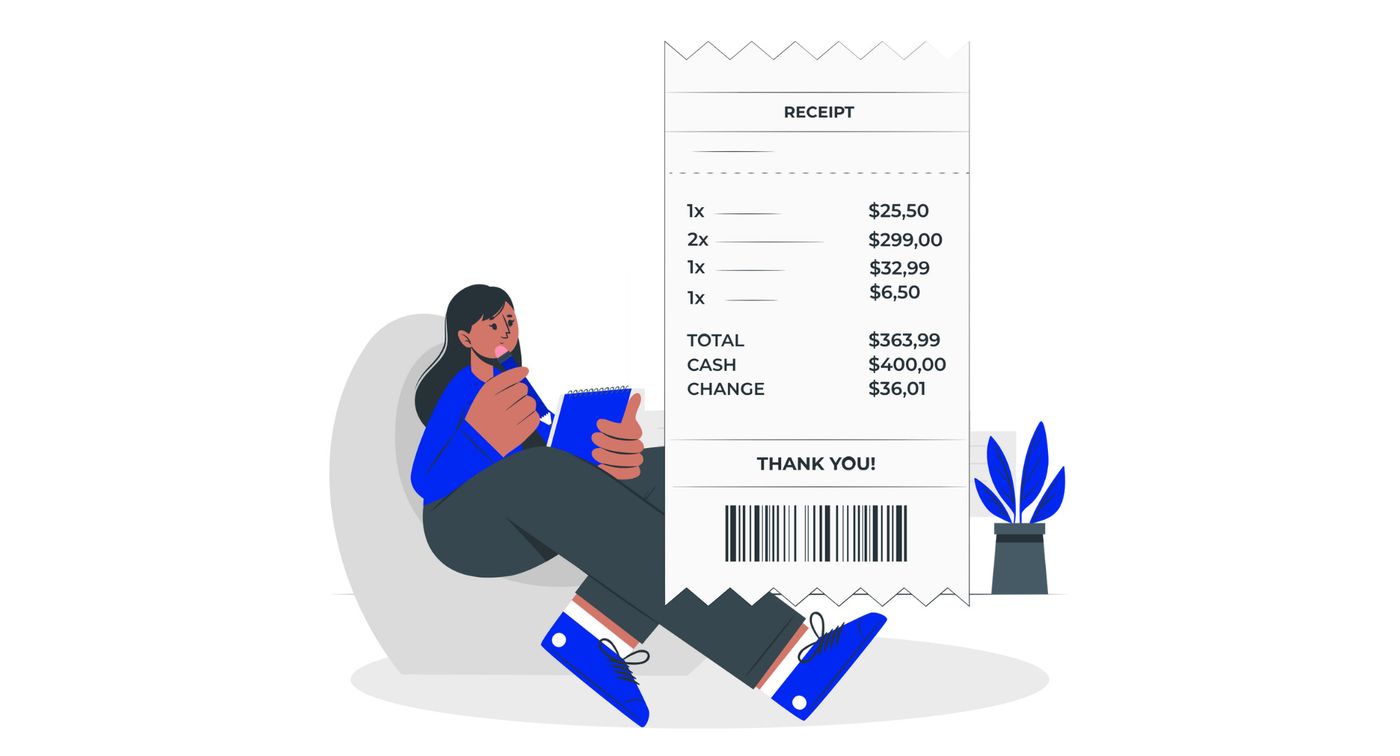
While the core elements are consistent, the specific details required vary significantly depending on the type of transaction. Using a template designed for the specific purpose ensures all necessary fields are included. A standard business sales receipt template focuses on itemizing products or services, calculating subtotals, and applying sales taxes. This type of template is suitable for retail sales, consulting services, or freelance work. It provides a professional record for the customer and supports the seller's bookkeeping and sales tax remittance to the CRA.
A rent receipt template serves a different legal and financial function. In many Canadian provinces, providing a receipt for rent payments, especially when paid in cash, is a legal requirement under residential tenancy acts. This template must include the rental property address, the specific period the payment covers, the tenant's full name, and the landlord's contact information. It also details the payment amount in numbers and words and notes any balance owing or payment towards arrears. Tenants often need these receipts to claim provincial tax credits, such as the Ontario Trillium Benefit.
A donation receipt template is used by registered charities and non-profit organizations to provide donors with official documentation for tax purposes. This template must state that it is an official donation receipt for income tax purposes and include the charity's registration number. It details the donor's name and address, the date and amount of the donation, and a description of any property or services donated. The eligible amount of the gift for tax purposes must be clearly indicated, which is particularly important for non-cash or in-kind donations like goods or securities. Key types of specialized receipt templates include business sales receipts for general goods and services with GST/HST breakdown, rent receipts for documenting tenant payments, donation receipts for charities to issue to donors for tax deductions, cash receipts specifically for cash payments requiring meticulous detail, and in-kind donation receipts for donations of goods or services instead of cash.
The cash receipt template warrants particular attention because cash transactions lack an independent electronic audit trail from a bank or card issuer. This makes the receipt the sole definitive record of the transaction. A cash receipt must therefore be exceptionally detailed and include all ten mandatory fields to satisfy CRA scrutiny during an audit. These fields are the essential elements that every Canadian cash receipt must include to be compliant. The receipt acts as the complete story of the payment, which is critical for accurate record keeping and tax reporting.
How to Customize a Template for Canadian Compliance
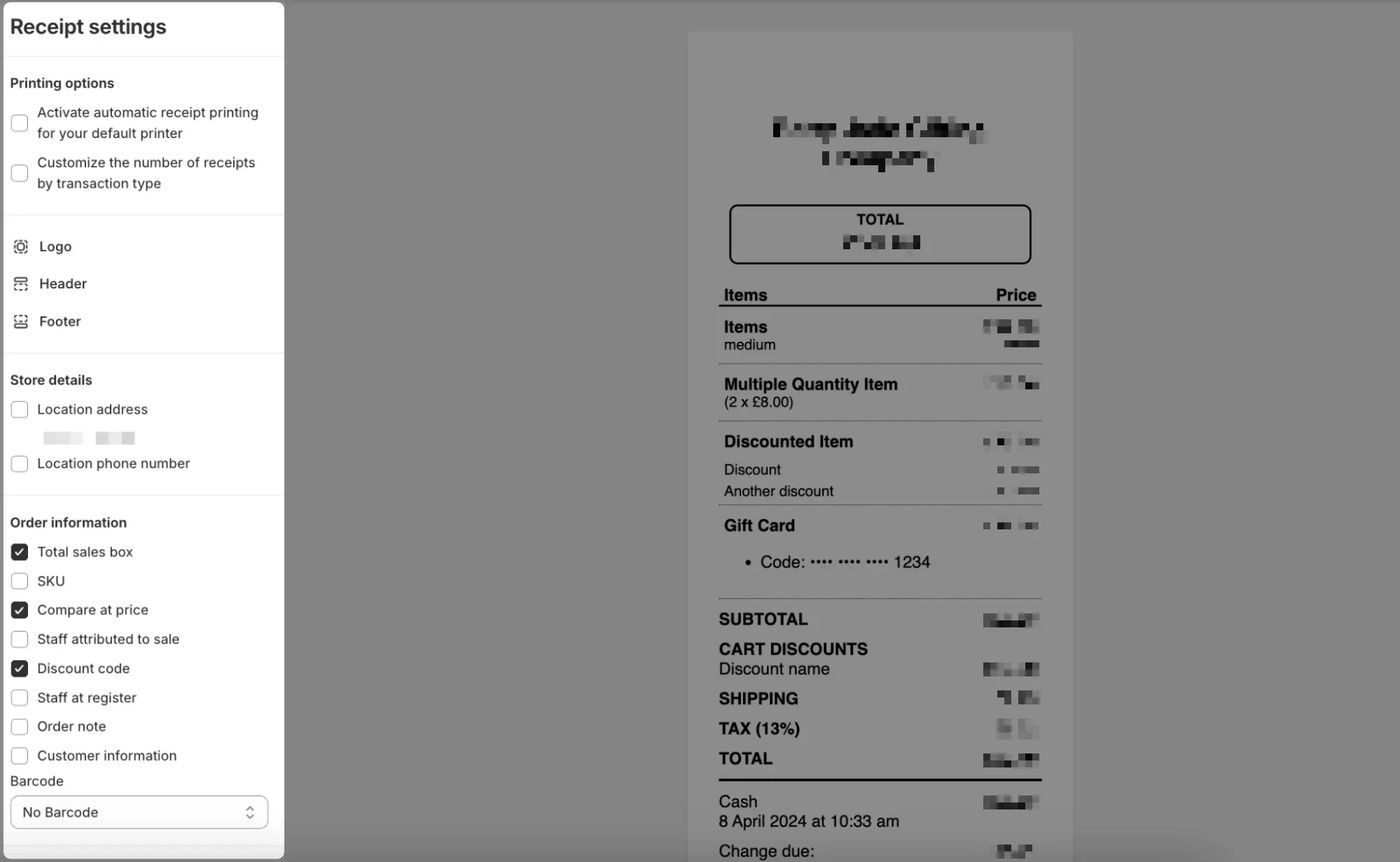
Selecting a generic template is only the first step. Proper customization is essential to meet Canadian legal and tax requirements. The process begins with personalizing the template with your business or organization's identity. This involves adding your legal business name, operating address, phone number, and email address. Incorporating a logo enhances brand recognition and professionalism. It is critical to verify that the template structure includes editable fields for all Canadian tax details, such as separate, clearly labelled lines for the GST/HST rate and the calculated tax amount.
Next, adjust the template's formatting to Canadian standards. The date format should be set to a clear, common Canadian style such as YYYY-MM-DD to avoid ambiguity. The currency must be explicitly set to Canadian Dollars, indicated by the $ symbol or the abbreviation CAD. A common and serious error is forgetting to include your GST/HST registration number on receipts if your business is registered. Another vital step is implementing a system for sequential receipt numbering to prevent gaps, which can raise red flags during an audit and complicate financial reconciliation.
Finally, test the template with sample data to ensure all calculations, such as subtotals and taxes, work correctly and that the layout prints cleanly. For digital distribution, ensure the file format, typically an editable PDF, Word document, or Excel spreadsheet, is widely accessible to your clients or tenants. For landlords using a rent receipt template, the completed document should be shared securely with the tenant and a copy retained for your records. This receipt serves as formal proof of payment for a specific rental period and is an essential tool for documenting tenant payments in Canada.
Where to Find Compliant Receipt Templates
Numerous resources offer free receipt templates that can be adapted for Canadian use. Many generic office software suites like Microsoft Office have built-in template galleries that include basic receipt formats which can be modified. Various small business resource websites and some accounting software providers offer downloadable templates specifically structured with Canadian tax requirements in mind. These templates are commonly available in versatile formats that allow for easy editing and customization to suit different business needs. The most practical formats for small businesses and individuals include editable PDFs, which maintain formatting across different devices and are easy to email.
Microsoft Word documents offer extensive formatting control but can be cumbersome for calculating line items and taxes. Microsoft Excel spreadsheets facilitate automatic calculations for totals and taxes using formulas, though they may lack polished visual design. The key when selecting any template is to prioritize those with a clear structure that includes placeholders for all mandatory Canadian information, especially fields for a tax breakdown and a unique receipt number. For organizations that issue receipts frequently, such as charities with many donors or businesses with high sales volume, using dedicated receipt-making software or features within accounting platforms can streamline the process. These tools often generate sequential numbers automatically, store a digital copy of every receipt issued, and ensure consistent inclusion of all compliance fields, reducing the risk of human error compared to manually filling out a static template.
| Template Format | Primary Use Case | Key Consideration |
|---|---|---|
| Editable PDF | Professional, final documents for emailing | Maintains formatting, easy to distribute |
| Microsoft Word | Highly customizable layout and text | Manual calculations can be error-prone |
| Microsoft Excel | Transactions requiring automatic totals and tax math | Formulas aid accuracy, visuals may be basic |
Legal and Tax Implications of Receipts in Canada
Receipts are not merely administrative paperwork. They carry significant legal and tax weight. For businesses, receipts form the backbone of the books and records required by the Canada Revenue Agency to support income declarations and GST/HST filings. In the event of an audit, the CRA will examine receipts to verify reported revenue and input tax credits. Incomplete or missing receipts for cash transactions can lead to disallowed deductions, reassessments, and penalties. The CRA places particular scrutiny on cash-intensive businesses due to the higher risk of unreported income.
For landlords, the legal obligation to provide rent receipts varies by province but is commonly mandated, especially when a tenant pays in cash or requests a receipt. These receipts protect both parties by providing indisputable evidence of payment history, which can prevent or resolve disputes over arrears. For tenants, a valid rent receipt is often necessary documentation to apply for provincial rent subsidies or to claim the rent component of certain tax benefits. This makes a rent receipt a critical financial document for both landlords and tenants across Canada.
For charities, issuing an official donation receipt is a regulated activity. The receipt must contain prescribed information as per the Income Tax Act to be valid for the donor to claim a tax credit. Charities must keep copies of all issued receipts for audit purposes by the CRA, which reviews them to ensure the charity is issuing receipts appropriately and within its legal mandate. Providing a receipt also serves as a formal acknowledgement and thank you to the donor, which can help in fostering ongoing donor relationships.
Common Mistakes to Avoid with Receipt Templates
Several frequent errors can undermine the validity and usefulness of a receipt. A major mistake is using a generic template without customizing it to include all Canadian-required fields, particularly the GST/HST breakdown and registration number. This omission can render the receipt insufficient for the purchaser's tax records or for the seller's audit defense. Another common error is failing to use sequential receipt numbers or having gaps in numbering sequences, which can create suspicion during an audit and make financial reconciliation difficult.
For cash receipts, a critical mistake is not providing enough detail. Since the receipt is the only independent record of the transaction, a vague description like for services is inadequate. The description should be specific, such as 3 hours of tutoring in Grade 10 math. Landlords sometimes issue rent receipts that lack the full property address or the specific period covered, which can cause confusion and may not be accepted for tenant tax credit claims. Charities may inadvertently issue donation receipts that lack their official registration number or that inaccurately state the eligible amount for non-cash gifts.
Relying solely on paper receipts without a digital backup is a significant operational risk, as physical documents can be lost or damaged. Conversely, using only digital templates without ensuring they are properly formatted for printing can inconvenience recipients who need a hard copy. The most reliable practice is to use a system that generates a professional, compliant receipt and securely stores a duplicate copy, whether the original is delivered electronically or on paper. This ensures a permanent, accessible record for both parties involved in the transaction.
Frequently asked questions
What is the difference between an invoice and a receipt in Canada?
An invoice and a receipt contain similar information but serve different purposes at different stages of a transaction. An invoice is a request for payment issued after goods or services are provided but before payment is made. A receipt is proof that payment has been completed and is issued after the money has been received. The receipt confirms the transaction is finished, while the invoice initiates the payment process.
What must be included on a donation receipt for it to be tax-deductible?
For a donation receipt to be valid for a donor's tax deduction, it must be an official receipt issued by a registered charity. It must state it is an official donation receipt for income tax purposes, include the charity's registration number, and show the donor's name and address. The receipt must detail the date of the donation, the amount, and a description of any property donated. The eligible amount of the gift for tax purposes must be clearly indicated.
Why are cash receipts treated differently than electronic payment receipts?
Cash receipts are treated with greater scrutiny because they are the only independent record of the transaction. Electronic payments like credit cards or e-transfers generate a separate audit trail through bank or card statements. Since cash leaves no such third-party record, the receipt itself must be meticulously detailed to fully document the transaction for CRA audit purposes. This means the cash receipt must include all mandatory fields as it acts as the complete and sole evidence of the payment.
Can I use a Microsoft Word or Excel template for my receipts?
Yes, Microsoft Word and Excel templates are commonly used. Word documents allow for good layout control but require manual calculations for totals and taxes, which can lead to errors. Excel facilitates automatic calculations with formulas but may produce less visually polished receipts. The key is to ensure whichever template you use is fully customized to include all mandatory Canadian information, such as GST/HST details and sequential receipt numbers.
How soon should I provide a receipt after a transaction?
For business sales and rent payments, a receipt should be provided at the time of payment or immediately thereafter. For charitable donations, it is recommended to send a receipt to the donor within 24 to 48 hours of receiving a one-off donation. For donors making regular contributions, such as monthly donations, charities may also provide a consolidated end-of-year receipt summarizing all contributions for the tax year. This end-of-year summary is helpful for the donor's tax preparation and record keeping.
Is a rent receipt legally required in Canada?
In many Canadian provinces and territories, providing a rent receipt is a legal requirement under residential tenancy acts, especially when a tenant pays with cash. This formal receipt is crucial for maintaining transparency and accurate financial records for both parties. For tenants, it serves as vital proof of payment for their records and is often required for claiming provincial or territorial tax credits. Using a standardized template helps landlords ensure compliance with local laws. Providing a receipt is also a key professional practice that helps prevent legal disputes over payment history.
Sources and further reading
- Free Receipt Templates for Small Business | Edit & Send invoicesimple.com
- Free Donation Receipt Template xero.com
- Receipt Template for Canada, Customize Easily getharvest.com
- Free rent receipt template in Docusign docusign.com
- Cash Receipt Template Canada: CRA-Compliant Fields ... invoicefast.ca
This article explains how things work and is not financial, tax or legal advice. Rules, limits and rates change, so check the current figures with the Canada Revenue Agency, your province or your financial institution before you act.