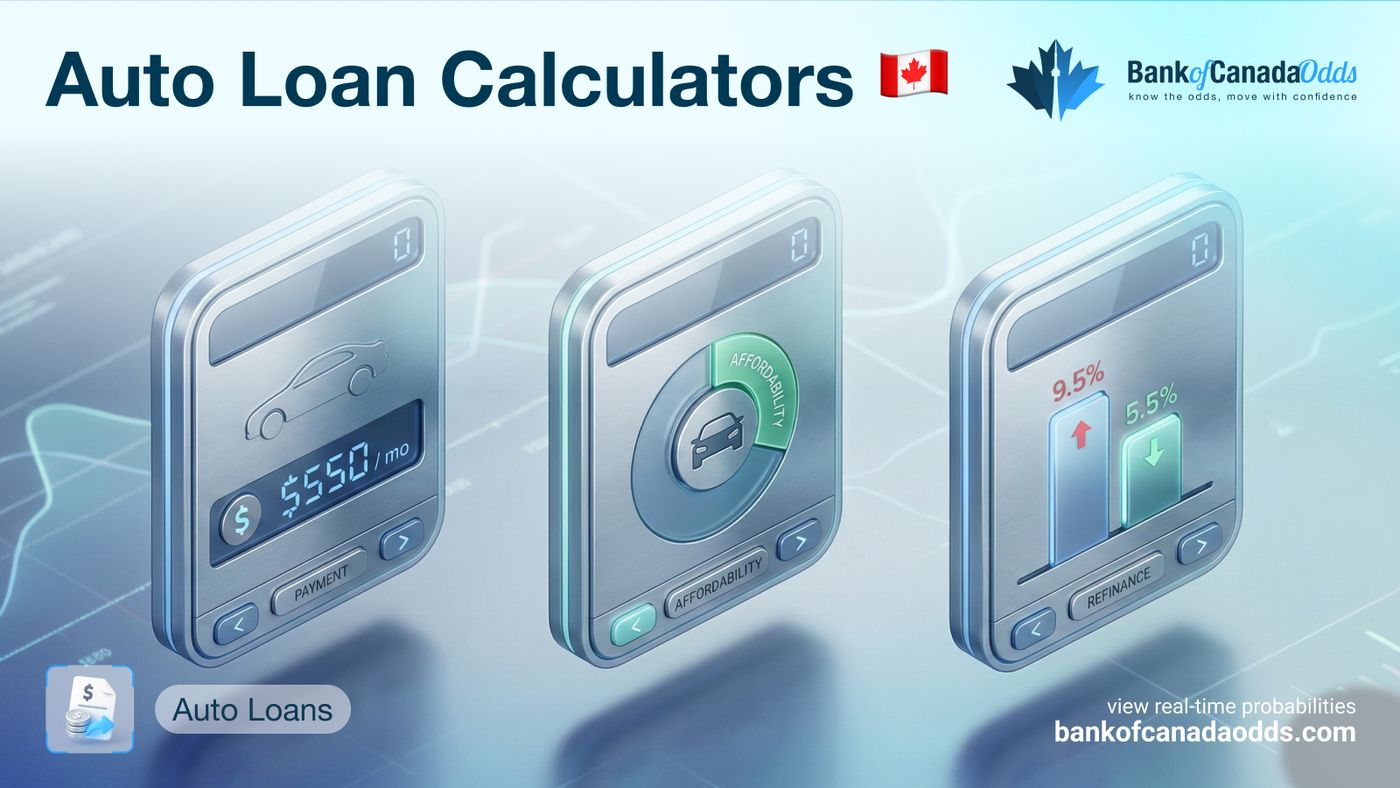
A car payment calculator is an online tool that estimates your monthly, biweekly, or weekly loan payments for a vehicle purchase. It helps Canadian consumers budget by calculating the principal and interest based on the loan amount, interest rate, and term. Using a calculator allows you to compare different financing scenarios before visiting a dealership or applying for credit. This planning is crucial for understanding the total cost of borrowing and finding a payment schedule that fits your financial situation.
How a Car Loan Payment Calculator Works
A car loan payment calculator uses a standard mathematical formula to determine your periodic payment amount. The calculation factors in the principal amount you wish to borrow, the annual interest rate, and the loan term expressed in months or years. The result is an estimated payment that includes both a portion of the principal and the accrued interest for that period. Calculators from Canadian banks and dealerships are designed to provide estimates for weekly, biweekly, or monthly payment schedules. These tools assume a constant interest rate over the entire loan term for the purpose of the estimate. It is important to remember that calculation results are approximations for informational purposes only and the actual interest rate and payment amounts are subject to credit approval.
Key Inputs for Your Calculation
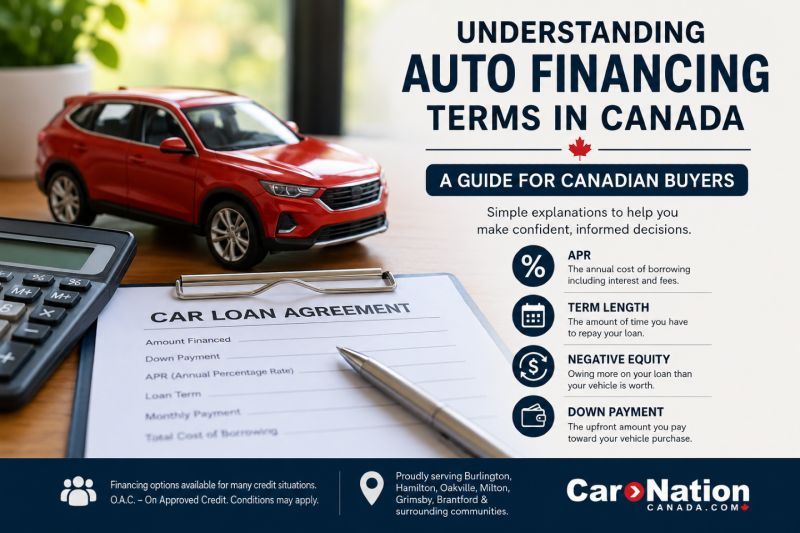
Every car payment calculator requires you to input several key pieces of information to generate an estimate. The vehicle price is the total cost, which often includes applicable taxes, and forms the basis for the loan amount. The down payment is the initial cash amount you pay upfront, which is subtracted from the vehicle price to determine the principal amount to be financed. The annual interest rate, expressed as a percentage, is the cost of borrowing the principal and is a major driver of your total payment. Finally, you select a payment frequency, such as monthly or biweekly, which affects how often interest is calculated and your payment size.
Changing any of these inputs will directly alter your calculated payment and the total cost of the loan. A larger down payment reduces the principal, leading to lower monthly payments and less total interest paid over the life of the loan. A lower interest rate similarly reduces the cost of borrowing, decreasing both the periodic payment and the total interest. Extending the loan term spreads the principal over more payments, which lowers each individual payment but increases the total interest paid because interest accrues for a longer period. Choosing a more frequent payment schedule, like biweekly instead of monthly, can lead to slight variations in the payment amount and may result in paying off the loan slightly faster.
Canadian Financing Rules and Lender Criteria
In Canada, auto financing is subject to standard lending criteria set by financial institutions. Lenders offer financing for a wide range of vehicles including new or used cars, SUVs, trucks, vans, and recreational vehicles like motor homes and trailers. Financing is typically available for vehicles up to 10 years old, though specific age limits can vary by lender. Most banks have a minimum loan amount, such as $3,000, below which a standard car loan may not be offered. Loans are most commonly arranged through authorized automotive or recreational vehicle dealerships, which partner with major banks to offer financing. For private sales of vehicles, the process differs based on the vehicle's age, often requiring a branch appointment for newer models or an online application for older ones.
Your eligibility and the specific terms you are offered are based on a credit check and other factors. The actual interest rate and payment amounts are subject to approval and are based on a number of factors including your credit history and the age of the vehicle. Lenders often state that the rates used in online calculators are for illustrative purposes and are not considered rate guarantees or offers. It is important to note that other fees, including administration fees that may be charged by the dealer, are not typically included in the calculator's results. Most car loans in Canada have fixed interest rates, meaning the payment remains constant, though some variable-rate options exist where payments may fluctuate with market rates.
A Worked Example of a Car Loan Calculation
Consider a scenario where you finance a vehicle with a principal loan amount of $30,000. Assume an annual interest rate of 5% and a loan term of 60 months, or 5 years, with monthly payments. Using the standard loan formula, the calculator would first determine the monthly payment amount. The calculation accounts for the interest accrued on the remaining balance each month. After performing the math, the total of all monthly payments over the five-year term would amount to $33,968.40. To find the total interest cost, you subtract the original principal from this total payment amount.
This example assumes a fixed interest rate with no changes during the loan term, and it does not include any prepayments, fees, or missed payments. This demonstrates how a significant portion of your payment goes toward interest, not just the vehicle's principal cost. Using a calculator with these inputs provides a clear picture of the long-term financial commitment before you sign a contract. The example is based on a common scenario from lender materials and serves to illustrate the mechanics of the calculation.
Types of Vehicles and Financing Channels
Canadian lenders provide financing for a broad spectrum of vehicle types through different channels. The primary method for securing financing is through a dealership, where you can ask for financing through a specific bank's auto finance division. For private sales, the process often depends on the age of the vehicle. Financial institutions may require a branch appointment for private sale vehicles less than 5 years old or recreational vehicles under 2 years old. For older private sale vehicles, you may be able to apply online for a vehicle loan. The table below outlines common vehicle categories and typical financing avenues.
| Vehicle Category | Common Examples | Typical Financing Channel |
|---|---|---|
| Automotive | Cars, SUVs, trucks, vans | Dealership or private sale application |
| Recreational Vehicles (RVs) | Motor homes, trailers | Dealership or branch for newer models |
| Powersports | Motorcycles, snowmobiles, ATVs | Authorized recreational vehicle dealer |
| Marine | Boats | Dealership with bank partner financing |
Special financing rates are sometimes available through featured partner manufacturers, particularly for electric or hybrid vehicles. Lenders offer flexible payment options, allowing you to pay monthly, semi-monthly, bi-weekly, or weekly according to your preference. There is often no penalty for paying off your loan early with some lenders, providing flexibility if your financial situation improves. You can choose a term from 1 to 8 years, which allows you to tailor the loan to your budget and the age of the vehicle you are purchasing.
Important Considerations and Limitations
While car payment calculators are useful tools, they come with important limitations that Canadian borrowers must understand. The calculations assume that the interest rate will remain constant over the entire repayment period, but actual interest rates offered to you may vary. Calculator results do not include additional fees that may be charged by the dealer, such as administration fees, which can affect the total cost. The estimates are based on the accuracy of the information you enter and the indicated interest rate, which is for illustrative purposes only. All loans are subject to standard credit approval, meaning the rate and terms you qualify for may differ from the calculator's estimate. You are advised to speak with an automotive dealer or a financial advisor for a more in-depth discussion of your borrowing needs.
Calculators should not be relied upon as specific financial or other advice. Actual results and loan payment amounts and repayment schedules may vary from the calculator's output. It is recommended that you confirm all results with a bank advisor before making a decision. The tools are for informational purposes to help you compare scenarios and understand the basic math behind a loan payment. Your final loan agreement will be a conditional sales contract that outlines all the specific terms, fees, and conditions. Royal Bank of Canada and other institutions state that they do not make any express or implied warranties or representations with respect to any information or results from their calculators.
Frequently asked questions
What is the minimum amount for a car loan in Canada?
Some Canadian financial institutions have a minimum loan amount, such as $3,000, for a standard car loan. If the amount you wish to borrow is below this minimum, a car loan may not be offered, and you might need to explore other financing options. The minimum can vary between lenders, so it is best to check with the specific bank or credit union. This minimum ensures the administrative cost of the loan is justified for the lender.
Can I get a car loan for a used or private sale vehicle?
Yes, most major banks in Canada offer financing for used vehicles sold both through dealerships and privately. For private sales, the process often depends on the vehicle's age. For vehicles less than 5 years old, you may need to book an appointment at a bank branch. For older private sale vehicles, you can often apply online for a vehicle loan. Financing is generally available for units up to 10 years old, subject to the lender's criteria.
Are there penalties for paying off a car loan early?
Some lenders, like RBC, state there is no penalty for paying off your loan early. This provides flexibility if you come into extra funds and wish to reduce your debt. However, policies can vary between different financial institutions and loan contracts. You should always review your specific loan agreement or ask your lender about any prepayment penalties or charges before signing.
What is the difference between financing and leasing a car?
Financing a car means you borrow money to purchase the vehicle, and you own it after the loan is paid off. Leasing is essentially a long-term rental where you make payments to use the vehicle for a set period but do not own it at the end unless you buy it out. The right choice depends on your personal circumstances, driving habits, and financial goals. Calculators often allow you to compare the costs of both options over time.
How does my credit score affect my car loan?
Your credit score is a key factor that lenders use to determine your interest rate and loan terms. A higher credit score generally qualifies you for a lower interest rate, which reduces your monthly payment and total cost of borrowing. Dealers and banks will check your credit score as part of the standard credit approval process. The rate you see in an online calculator is an estimate, and the actual rate you receive will be based on your creditworthiness.
What payment frequencies are available for car loans?
Canadian lenders typically offer flexible payment options to match your pay schedule. You can usually choose to make payments monthly, semi-monthly, bi-weekly, or weekly. The payment frequency affects how often interest is calculated and applied to your loan balance. Setting up payments is often done through Pre-Authorized Debits from your bank account using a void cheque provided at the time of loan setup.
Sources and further reading
- Auto Loan Payment Calculator scotiabank.com
- Car Loan Calculator Canada goauto.ca
- Car Loan Calculator | TD Canada Trust td.com
- Car Loan Calculator: Get Ready to Buy a Vehicle cibc.com
- Car Loan Payment Calculator rbcroyalbank.com
This article explains how things work and is not financial, tax or legal advice. Rules, limits and rates change, so check the current figures with the Canada Revenue Agency, your province or your financial institution before you act.