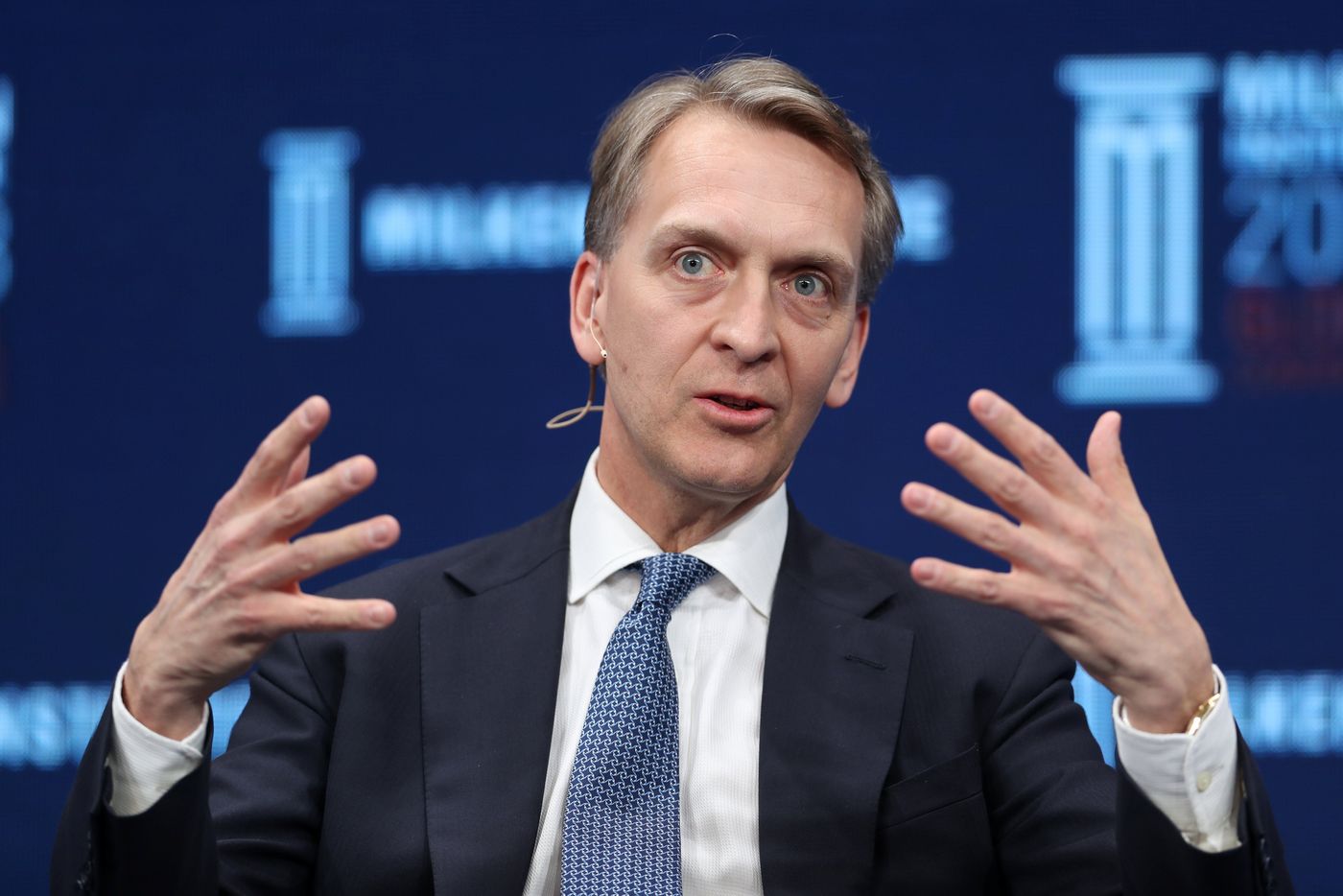
James Bruce Flatt is a Canadian businessman and the long-serving chief executive officer of Brookfield Corporation, a global alternative asset manager with over $1 trillion in assets. Often called "Canada's Warren Buffett" for his disciplined value-investing approach, Flatt has led Brookfield's transformation from a smaller entity into one of the world's largest investment firms since becoming CEO in 2002. His leadership has significantly shaped the firm's global footprint, which now spans more than 30 countries, and its focus on essential real assets like infrastructure, real estate, and renewable energy. For Canadian investors and financial professionals, Flatt represents a prominent figure in global finance whose strategies influence major capital flows and investment trends relevant to the domestic economy.
Early Life and Career Path
Bruce Flatt was born in Winnipeg, Manitoba in 1965 and attended Grant Park High School. He pursued his higher education at the University of Manitoba before beginning his professional career as a chartered accountant at the firm Clarkson Gordon. Flatt's entry into the investment world came in 1990 when he joined the investment division of Brascan, which was the predecessor company to what would become the Brookfield organization. His rise within the company was steady and marked by increasing responsibility, culminating in his appointment as chief executive of Brookfield Properties in the year 2000. This role placed him at the helm of the firm's significant real estate operations during a critical period, including the immediate aftermath of the September 11, 2001 attacks, where he led Brookfield's response to damage in Lower Manhattan. Just two years later, in 2002, Flatt was named chief executive officer of the entire Brookfield business, a role he has held ever since.
Leadership and Growth of Brookfield
Under Bruce Flatt's leadership, Brookfield Corporation underwent a period of extraordinary growth and global expansion. When he took over as CEO, the firm's assets were reported to be roughly $6 billion. Through a series of strategic acquisitions and a focus on long-term value investing, Flatt oversaw the firm's growth to over $1 trillion in assets under management, establishing it as the second largest alternative-asset manager in the world. A landmark deal in this expansion was Brookfield's acquisition of a majority stake in Oaktree Capital Management in 2019, which significantly bolstered its credit and distressed asset investment capabilities. Flatt's investment philosophy, often compared to that of Warren Buffett, emphasizes buying essential real assets that society depends on and holding them for stable cash returns. This approach has guided Brookfield's investments into infrastructure, renewable power, real estate, and private equity on a global scale, with operations now in more than 30 countries. A key element of Flatt's alignment with shareholders is his significant ownership stake. He and a group of partners own approximately 20% of Brookfield, held both individually and through a company called Partners Limited.
Under Bruce Flatt's leadership, Brookfield grew from roughly $6 billion to over $1 trillion in assets under management. A key milestone was the 2019 acquisition of a majority stake in Oaktree Capital Management, which made Brookfield the world's second-largest alternative-asset manager. Flatt also led Brookfield's response to the damage caused by the September 11, 2001 attacks in Lower Manhattan while he was CEO of Brookfield Properties. Furthermore, the firm developed a global operating presence in more than 30 countries during his tenure.
- Appointment as CEO of Brookfield Properties in 2000.
- Becoming CEO of the entire Brookfield business in 2002.
- Leading the firm's response to the September 11, 2001 attacks in Lower Manhattan.
- Acquiring a majority stake in Oaktree Capital Management in 2019.
- Growing assets under management from roughly $6 billion to over $1 trillion.
- Expanding the firm's global operating presence to more than 30 countries.
This growth trajectory solidified Brookfield's position as a dominant global force in alternative asset management. Flatt and a group of partners own approximately 20% of Brookfield Corporation, individually and through a company called Partners Limited. This significant personal investment aligns his interests directly with those of other shareholders. His leadership philosophy emphasizes buying essential real assets that society depends on and holding them for long-term cash returns.
Investment Strategy and Market Views
Bruce Flatt's investment strategy is built on a foundation of value investing, patience, and a focus on structural trends. He asserts that while the core principles of buying great businesses for their cash flows remain unchanged, the investment landscape has been transformed by the rise of passive index investing. Flatt argues that this shift has created significant pricing inefficiencies, as companies that do not fit neatly into major indexes can trade at substantial discounts to their intrinsic value. Brookfield capitalizes on these opportunities by taking such undervalued companies private, allowing management to focus on long-term business fundamentals without the distraction of public market volatility. Flatt identifies three dominant, long-term trends that shape Brookfield's investment focus: digitalization and artificial intelligence, the global energy transition, and deglobalization. He views digital infrastructure like data centres and fibre networks as essential modern assets, noting that half of the backbone infrastructure Brookfield owns today did not exist as an investable asset class two decades ago. On energy, Flatt sees the transition to renewables as an economic inevitability driven by cost, with natural gas serving as a critical bridge fuel. Regarding deglobalization, he points to supply chain shifts and AI-driven automation as factors repatriating manufacturing to Western markets.
Flatt's investment framework is defined by several core principles drawn from his public comments. He focuses on buying real assets that society depends on for essential services, such as delivering water, tolling roads, and running data centres. Brookfield capitalizes on market inefficiencies created by passive index investing by taking fundamentally strong but undervalued public companies private. The firm structures deals to minimize risk and waits patiently for the right opportunities, stepping in when public markets misprice great companies. Flatt invests around three unstoppable trends: digitalization, energy transition, and deglobalization, which he believes will define the next decades. He actively applies AI and advanced robotics to improve productivity in industrial portfolio companies, citing early results showing potential productivity improvements of 30%. This disciplined approach has been central to generating stable cash flows and shareholder returns for Brookfield.
- Focus on buying real assets that society depends on for essential services.
- Capitalize on market inefficiencies created by passive index investing.
- Take fundamentally strong but undervalued public companies private.
- Structure deals to minimize risk and wait patiently for the right opportunities.
- Invest around three unstoppable trends: digitalization, energy transition, and deglobalization.
- Apply AI and advanced robotics to improve productivity in industrial portfolio companies.
Management Transition and Current Roles
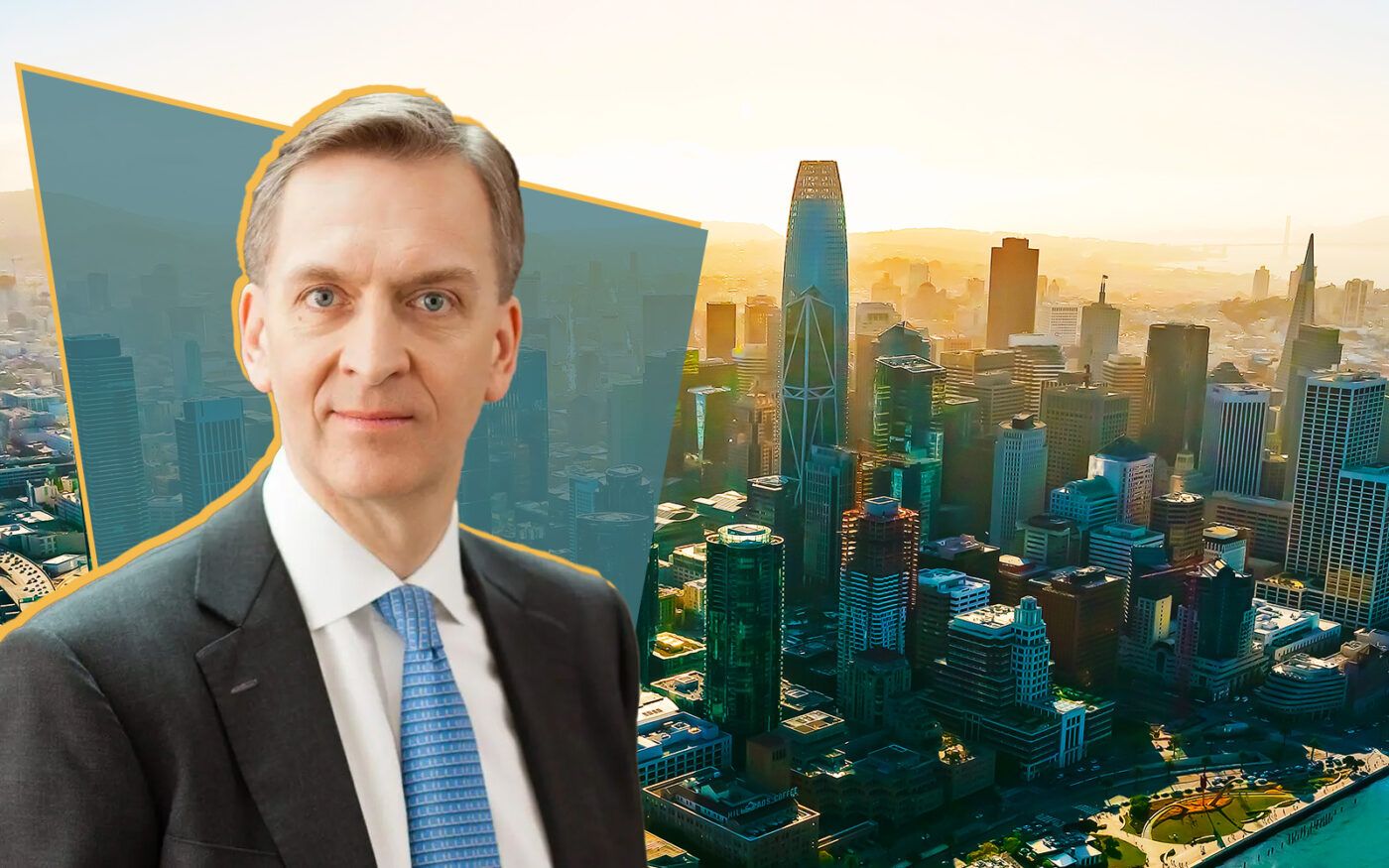
A significant leadership transition occurred in February 2026 when Bruce Flatt stepped down from his role as CEO of Brookfield Asset Management (BAM), the firm's asset management subsidiary. He handed the position to his protégé, Connor Teskey, who was 38 years old at the time. This move was part of a planned succession process for the flagship asset management business, ensuring a smooth transfer of leadership to a new generation. Flatt did not retire from the broader organization, however, as he remained in his position as the chief executive officer of the parent company, Brookfield Corporation. Brookfield Corporation oversees all of Brookfield's operating businesses and strategic direction, and Flatt continues to set its overall course. Additionally, Flatt serves as the chairman of the board of directors of Brookfield Asset Management, providing governance and oversight to the subsidiary he once led directly. This structure allows him to maintain overarching strategic oversight while delegating the day-to-day management of the asset management platform, a model that supports both continuity and fresh operational leadership.
Recognition and Public Profile
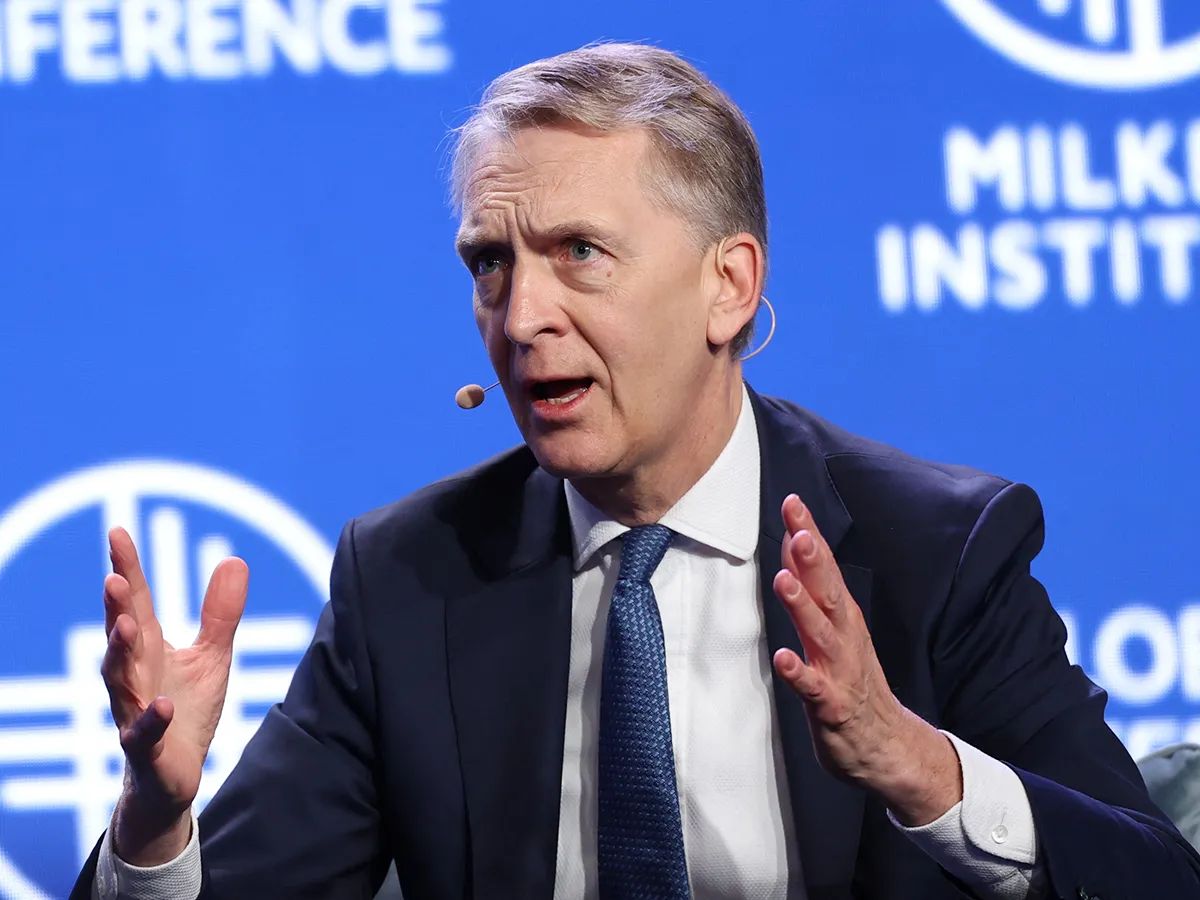
Bruce Flatt's achievements in business and finance have earned him significant recognition in Canada and internationally. In 2017, he was named CEO of the Year by The Globe and Mail, a prominent Canadian newspaper. The following year, the Harvard Business Review ranked him 60th on its list of the top 100 best-performing CEOs globally. His influence was further acknowledged in 2019 when Bloomberg included him as one of the 50 people who defined global business that year. Flatt is a frequent speaker on investment trends and has participated in high-profile discussions, such as a fireside chat with Blake Hutcheson of OMERS presented by The Empire Club of Canada, focusing on real estate and the global investment landscape. He has also appeared on podcasts and media interviews to discuss Brookfield's strategy, the impact of AI, and the future of infrastructure investing, reinforcing his profile as a thought leader in the asset management industry. His commentary often highlights how modern infrastructure investments, such as in data centres for AI, represent new asset classes that are now essential to the global economy.
Bruce Flatt was named CEO of the Year by The Globe and Mail in 2017. In 2018, Harvard Business Review ranked him 60th on its list of the top 100 best-performing CEOs globally. Furthermore, Bloomberg named him one of 50 people who defined global business in 2019. These honours recognize his performance and impact as a leader in the investment industry.
- CEO of the Year by The Globe and Mail in 2017.
- Ranked 60th on Harvard Business Review's list of top 100 CEOs in 2018.
- Named one of Bloomberg's 50 people who defined global business in 2019.
- Referred to as "Canada's Warren Buffett" in financial media.
- Featured speaker at The Empire Club of Canada on real estate and global investment.
- Ranked #612 on the Forbes Billionaires list in 2026.
These accolades reflect his standing as a leading figure in global finance. His public engagements, such as discussions at the Empire Club of Canada and appearances on podcasts, provide insights into Brookfield's investment strategy. He frequently discusses the firm's focus on three dominant trends: digitalization and AI, the energy transition, and deglobalization. These forums offer valuable perspective on the strategies driving one of the world's largest investment firms.
Personal Life and Philanthropy
Bruce Flatt maintains residences in both London and New York City, reflecting the global nature of his business and the international scope of Brookfield's operations. He is married to art collector Lonti Ebers, who is deeply involved in the arts community and has established her own philanthropic organization. Ebers is the founder of a non-profit organization called Amant and also serves as a trustee and patron of the Museum of Modern Art in New York City. While Flatt keeps a relatively low public profile regarding his personal philanthropic activities, his wife's prominent role in the arts indicates a family engagement with cultural philanthropy and support for the arts. His early life in Winnipeg and education in Manitoba remain a noted part of his background, often highlighted in profiles of his rise from a Canadian chartered accountant to leading a trillion-dollar global investment firm. This journey from a Manitoba high school to the pinnacle of global finance underscores a distinctly Canadian narrative of business success.
Brookfield's Canadian and Global Impact
Although Brookfield Corporation is a global entity, its roots and ongoing activities retain significant importance for Canada. The firm's growth from a Canadian base into a worldwide powerhouse exemplifies the scale achievable by domestic financial institutions and serves as a model for other Canadian firms. Brookfield's investments have a direct impact on the Canadian economy, particularly in real estate and infrastructure, with major developments in cities like Toronto. For instance, Toronto is cited as one of the fastest-growing cities in North America and an international development hub where Brookfield has major holdings and developments. The firm's strategic focus on trends like digitalization and energy transition also influences capital allocation towards Canadian projects in sectors like renewable energy and data centres, supporting domestic economic development. Furthermore, Brookfield's model of owning and operating essential assets provides a case study in long-term investing that is closely watched by Canadian pension funds, institutional investors, and financial analysts. The public discussions between leaders like Flatt and executives from other major Canadian investment platforms, such as OMERS, highlight the interconnectedness and global ambitions of Canada's financial sector and its influence on worldwide capital markets.
Frequently asked questions
Who is Bruce Flatt?
Bruce Flatt is the chief executive officer of Brookfield Corporation, a global alternative asset management firm with over $1 trillion in assets. A Canadian businessman born in Winnipeg in 1965, he joined Brookfield in 1990 and became its CEO in 2002. He is often referred to as "Canada's Warren Buffett" due to his value-investing style and long tenure. As of 2026, his net worth was estimated at US$6.8 billion.
What is Bruce Flatt's net worth?
According to the Forbes Billionaires list for 2026, Bruce Flatt had a net worth of US$6.8 billion, which ranked him at number 612 globally. His wealth is largely tied to his significant ownership stake in Brookfield Corporation, where he and a group of partners own approximately 20% of the business. This substantial personal investment is a key aspect of his profile. His net worth reflects the growth of Brookfield under his leadership from roughly $6 billion to over $1 trillion in assets under management. This financial standing supports his recognition as a leading Canadian businessman.
Is Bruce Flatt still the CEO of Brookfield?
Yes, Bruce Flatt remains the CEO of the parent company, Brookfield Corporation. In February 2026, he stepped down as CEO of the subsidiary Brookfield Asset Management (BAM), appointing Connor Teskey as his successor. Flatt continues as the chairman of BAM and retains his role as CEO of the overarching Brookfield Corporation. This transition was part of a succession plan while allowing him to maintain leadership of the broader global investment firm. He originally became CEO of the entire business in 2002 after joining the company in 1990.
What is Bruce Flatt's investment strategy?
Flatt's strategy is based on value investing, focusing on buying essential real assets like infrastructure, real estate, and renewable energy that society depends on. He emphasizes patience, waiting for markets to undervalue strong companies, and often takes them private to manage for long term cash flow. His approach is guided by three major trends: digitalization and AI, the energy transition, and deglobalization. Brookfield capitalizes on disparities when public markets undervalue companies that do not fit neatly into indexes. This disciplined framework has been central to building Brookfield's trillion dollar empire.
Where did Bruce Flatt go to school?
Bruce Flatt attended Grant Park High School in Winnipeg. He then studied at the University of Manitoba in his home province before beginning his career as a chartered accountant. His early professional experience was at Clarkson Gordon where he worked as a chartered accountant. This educational and early career path in Canada preceded his joining the investment division of Brascan, Brookfield's predecessor, in 1990.
Why is Bruce Flatt called 'Canada's Warren Buffett'?
He earned this nickname due to his disciplined value investing framework, his exceptionally long tenure as CEO of a major corporation, and his practice of maintaining a large personal investment in the company he leads. These characteristics mirror the approach and profile of the famed American investor Warren Buffett. Flatt joined Brookfield in 1990 and became CEO in 2002, demonstrating an extended tenure. Furthermore, he and a group of partners own 20% of Brookfield, aligning his personal wealth directly with the company's performance.
Sources and further reading
- Bruce Flatt (Wikipedia) en.wikipedia.org
- Bruce Flatt brookfield.com
- Blake Hutcheson and Bruce Flatt empireclubofcanada.com
- Bruce Flatt: The Trillion-Dollar Blueprint (Value, Discipline ... fs.blog
This article explains how things work and is not financial, tax or legal advice. Rules, limits and rates change, so check the current figures with the Canada Revenue Agency, your province or your financial institution before you act.