RIYADH
A Houthi missile destroyed a Saudi airliner on the tarmac at King Khalid International Airport in Riyadh on Oct. 8, killing its pilot and two other Saudi citizens.
Two weeks later, Global Affairs Canada told Canadians to avoid the main airports in Riyadh and Dammam.
Three months earlier, Prime Minister Mark Carney had flown into Jeddah, the first Canadian prime minister to visit in 26 years, and signed more than $1 billion in deals on the bet that the kingdom was a safe place for Canadian money.
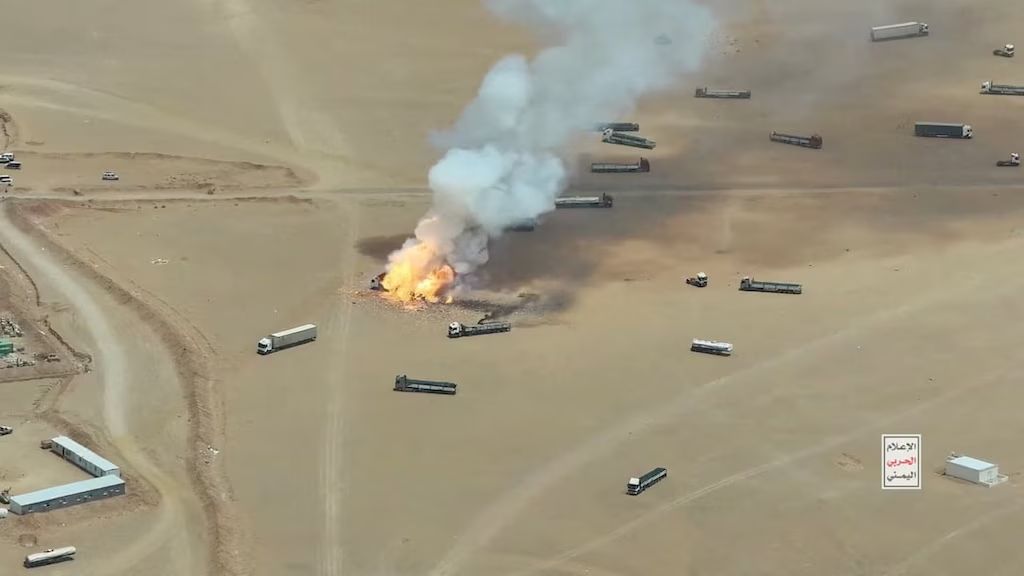
Since Oct. 6, Houthi missiles and drones have struck airports in Abha, Riyadh and Dammam, killing 21 people and injuring more than 300.
The war began on Feb. 28, when the United States and Israel struck Iran.
Washington and Jerusalem escalated this war, and Riyadh is the one paying for it.
Iran retaliated with missile and drone strikes across Saudi Arabia, and a drone attack forced oil company Aramco’s Ras Tanura refinery to shut down.
The spring ceasefire did not stop the bill from growing.
Direct Iranian attacks largely faded after April 8, but Iran-backed groups in Yemen and Iraq kept striking the kingdom.
In July, Saudi Red Sea oil exports fell sharply after the Houthis declared a blockade on Saudi shipping, cutting off the tanker route out of Yanbu that Riyadh had used to bypass the Strait of Hormuz.
In the first quarter alone, the kingdom ran a deficit of about US$33.5 billion, nearly what it had projected for the entire year, as military spending rose 26 per cent.
The International Monetary Fund now expects the Saudi economy to shrink 3.3 per cent this year.
Vision 2030, which the prime minister describes as an “ambitious economic transformation” plan, rests on the claim that Saudi Arabia is a safe place to put money.
Its air war and blockade in Yemen helped create what the UN called the world’s largest humanitarian crisis, and Reuters has reported that the Saudi air force quietly struck Iran in late March.
That has pushed the kingdom into a role it spent years trying to avoid.
Now the kingdom that hosted peace talks is bombing Houthi positions in Yemen and fending off near-daily strikes on its airports and oil sites.
It is also looking beyond Washington for protection.
A treaty signed in Mecca in August warns Tehran that another major attack could draw Pakistan and Turkey into the war, and Egypt has said it is ready to defend the kingdom if asked.
For decades the Gulf ran on an understanding that the United States guaranteed security while the monarchies hedged with everyone else.
That deal is giving way to one in which regional powers sign their own pacts and fight their own wars.
Ottawa and Riyadh only restored full diplomatic relations in 2023, after a rupture over a 2018 tweet about jailed activists.
Workers in London, Ont. build armoured vehicles for the Saudi military.
Ottawa can help by backing the UN process in Yemen, pressing for enforcement of the UN arms embargo on the Houthis, and telling Washington plainly that an open-ended war in the Gulf carries costs for Canadians, too.
The region is watching to see which Saudi Arabia comes out of this war: the broker or the combatant.
This story was written by the e2gold.ca newsroom from reporting by BNN Bloomberg and CTV News. Quotes are checked word for word against that reporting.