The TFSA contribution limit is the maximum amount you can deposit into your Tax-Free Savings Account in a given year without incurring penalties. For 2026, the annual dollar limit is $7,000. Your personal contribution room is the sum of the current year's limit, any unused room carried forward from previous years, and the total amount of withdrawals you made in the previous year. Understanding your limit is crucial for maximizing tax-free growth and avoiding the 1% monthly penalty on over-contributions.
How Your Personal TFSA Contribution Room Is Calculated
Your TFSA contribution room is a personal figure that is not the same for every Canadian. It is determined by three specific factors that are tracked by the Canada Revenue Agency. The first factor is the annual TFSA dollar limit for the current year, which is set by the federal government. The second is any unused TFSA contribution room you have accumulated from all previous years since you became eligible. The third factor is the total amount of all withdrawals you made from your TFSA in the previous calendar year. It is essential to understand that investment income earned within the account and changes in your investment values do not affect your contribution room for current or future years. Your room accumulates each year you are at least 18 years old and a resident of Canada, even if you do not file a tax return or have not yet opened a TFSA account.
The CRA is responsible for calculating your contribution room annually based on the information it receives from TFSA issuers. However, there is a reporting lag, and your current year's contributions may not be reflected in the CRA's online My Account service until after the end of February of the following year. For this reason, you are personally responsible for keeping your own records of all contributions and withdrawals. If you were 18 or older in 2009 and have been a resident of Canada since then without ever contributing, your total cumulative contribution room for 2026 would be $109,000. This figure represents the sum of all annual limits from 2009 through 2026.
To find your official contribution room, you can log into the CRA My Account portal or call the CRA's Tax Information Phone Service. The room resets each year on January 1, incorporating the new annual limit and adding back the previous year's withdrawals. If you make a withdrawal during the year, that amount is not added back to your contribution room until the following January 1. This rule is critical for avoiding over-contributions if you plan to re-deposit a withdrawal in the same calendar year. You can carry forward any unused contribution room indefinitely into future years, providing significant flexibility for catching up on contributions when you have the funds available.
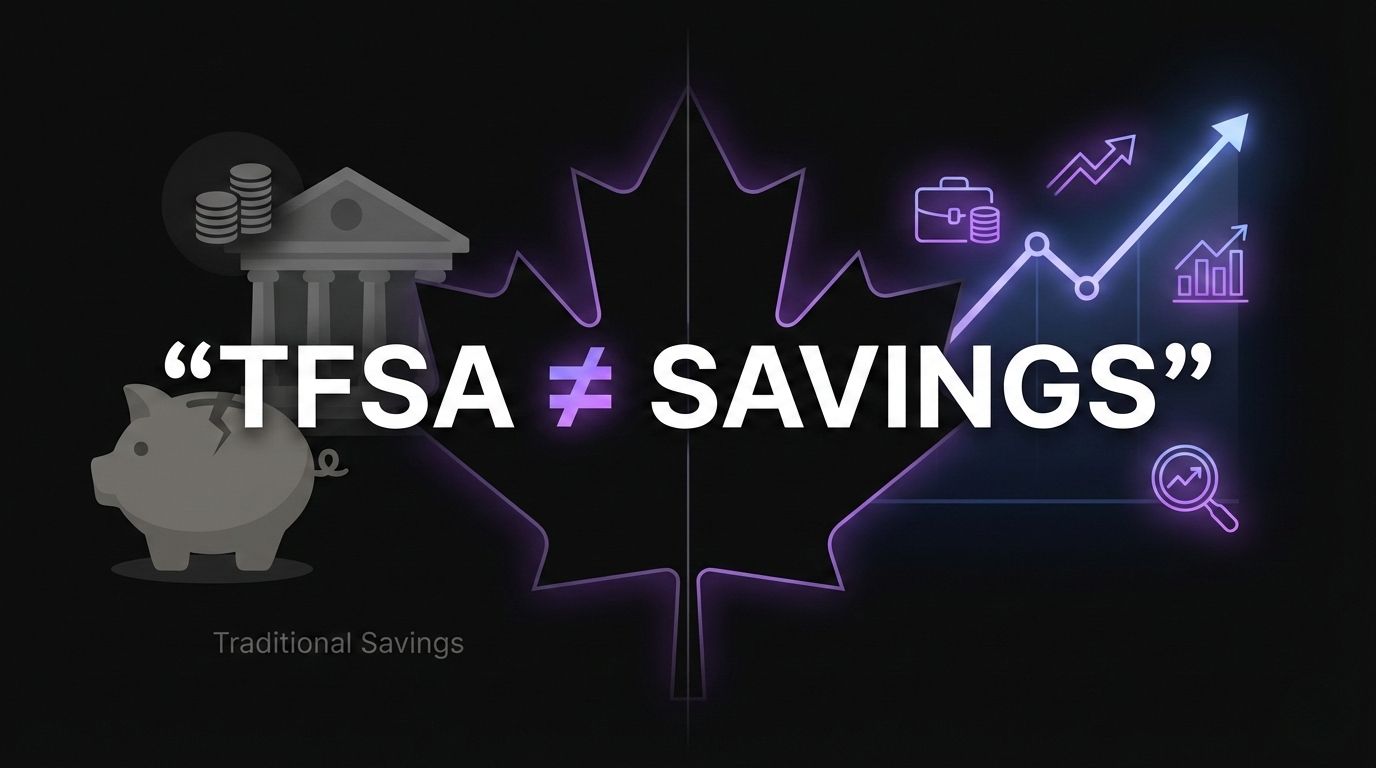
Annual TFSA Dollar Limits From 2009 to 2026
The federal government sets the annual TFSA dollar limit, which is indexed to inflation and rounded to the nearest $500. This indexing means the limit can increase in years where inflation is significant, providing more contribution room for savers. The program was introduced in 2009 with a limit of $5,000, and it has increased in several steps since then. The limit for 2025 and 2026 is confirmed to be $7,000. The cumulative total of all annual limits from 2009 through 2026 is $109,000, which represents the maximum possible contribution room for an individual who has been eligible since the program's inception.
The following table shows the annual contribution limit for each year since the TFSA began, along with the cumulative total. The annual TFSA dollar limit is indexed to inflation and rounded to the nearest $500. For 2026, the annual contribution limit is $7,000. For an individual who was 18 or older in 2009 and a resident of Canada every year since, the cumulative limit from 2009 through 2026 is $109,000. This history is important for calculating your personal unused contribution room if you have not contributed the maximum in every year. Unused contribution amounts can be carried forward indefinitely and used in subsequent years.
| Year | Annual Limit | Cumulative Limit |
|---|---|---|
| 2009 | $5,000 | $5,000 |
| 2026 | $7,000 | $109,000 |
Future annual TFSA dollar limits beyond 2026 are subject to inflation-based increases as determined by the government. The limit applies to all eligible Canadians regardless of their income level or whether they have other registered accounts like an RRSP. It is a universal limit, though your personal available room depends on your contribution history and age. If you turned 18 after 2009, your contribution room started accumulating the year you turned 18, and you would sum the annual limits from that year forward to determine your cumulative room.
Eligibility and Provincial Age of Majority Rules
To be eligible to open a TFSA and contribute, you must be a Canadian resident with a valid Social Insurance Number and be at least 18 years of age. The CRA begins accumulating your TFSA contribution room the year you turn 18, regardless of your province of residence. However, the age of majority, which is the legal age to enter into a contract, is 19 in several provinces and territories. This distinction creates an important administrative rule for account opening. In Newfoundland and Labrador, New Brunswick, Nova Scotia, British Columbia, the Northwest Territories, Yukon, and Nunavut, the age of majority is 19. While your contribution room starts accumulating at age 18, you cannot legally open a TFSA account in these jurisdictions until you turn 19. Once you turn 19, you can open an account and contribute your full accumulated room from the year you turned 18 onward. For example, an individual in British Columbia who turned 18 in 2025 would have $7,000 of room for 2025, but they must wait until 2026 when they turn 19 to open an account and contribute that $7,000 plus the new $7,000 room for 2026.
Residency is another key factor. You must be a resident of Canada to contribute to a TFSA. If you become a non-resident of Canada, you will not accumulate new contribution room for any year you are a non-resident. You are allowed to keep your existing TFSA open and the investments within it continue to grow tax-free, but you cannot make new contributions. Any contributions made while a non-resident are considered over-contributions and are subject to the 1% monthly penalty tax. If you return to Canada and re-establish residency, you will begin accumulating new contribution room again starting with the year of your return. The rules are clear that a non-resident can open a TFSA if they have a valid SIN, but they cannot contribute into it without facing penalties.

The Consequences and Penalty for Over-Contributions
An over-contribution occurs when the total amount you have deposited into all your TFSAs exceeds your available contribution room at any point in time. The Canada Revenue Agency imposes a significant penalty for this. The tax is equal to 1% of the highest excess TFSA amount in your account for each month that the excess remains. This penalty applies regardless of whether the over-contribution was accidental or deliberate. It is your responsibility to monitor your contributions and withdrawals to avoid this costly situation. The penalty calculation is based on the highest excess amount in the account during each month. The CRA will issue a notice of assessment for this tax, and you are required to pay it.
To stop the penalty, you must withdraw the excess contribution from your TFSA. The withdrawal will be added back to your contribution room on January 1 of the following year, but it does not create immediate room to correct the over-contribution in the current year. There are specific situations that commonly lead to over-contributions. One is re-contributing a withdrawal in the same calendar year without having sufficient contribution room left. Remember, a withdrawal only creates new room on January 1 of the next year. Another common error is forgetting about contributions made earlier in the year or not accounting for contributions made to multiple TFSA accounts at different financial institutions. All your TFSAs share one combined contribution limit. If you suspect you have over-contributed, you should withdraw the excess funds immediately and contact the CRA for guidance on your specific situation.
Key Dates and Deadlines for Managing Your TFSA
Managing your TFSA effectively requires awareness of several important dates throughout the year. Your TFSA annual contribution room is reset on January 1 each year. The Canada Revenue Agency updates your contribution data annually, and your contributions from the previous year may not be reflected until after the end of February. For example, TFSA records from 2025 will be processed by April 2026. These dates govern when your room updates, when financial institutions report information, and when you can take certain actions. You must track your contributions personally to avoid over-contribution penalties.
- January 1: Your TFSA contribution room resets. The new annual limit is added, unused room is carried forward, and the total amount of withdrawals from the previous year is added back to your room.
- Throughout the Year: You can contribute to your TFSA at any time, up to your available room. You can also withdraw funds at any time, tax-free.
- End of February: By this time, TFSA issuers (like banks and brokerages) must report all contributions and withdrawals from the previous calendar year to the CRA.
- April (of the following year): The CRA updates your contribution room in its My Account system based on the processed records. For example, TFSA records from 2025 will be processed and your updated room will be available in your CRA account starting in April 2026.
- December 31: This is the final day of the contribution year. Any over-contribution remaining in your account at midnight will incur the 1% penalty for the month of December.
It is critical to note the lag between your actions and the CRA's official records. Your own contribution tracking should be real-time, as the CRA's online information is historical and may not reflect your current year's activity. If you are planning to make a large contribution late in the year, you should be absolutely certain of your remaining room based on your own records, not the CRA's website. Waiting until the CRA updates its system in April could mean missing contribution opportunities for the current year.
Common Mistakes and How to Avoid Them
Many Canadians make avoidable errors with their TFSA contributions that lead to penalties or missed opportunities. The most frequent mistake is the over-contribution scenario described earlier, often stemming from a misunderstanding of the withdrawal rules. People withdraw money and then re-contribute it later in the same year, not realizing they need available contribution room to do so. To avoid this, always remember that withdrawn funds only create new contribution room on the following January 1. If you need to replace a withdrawal, you must wait until the next calendar year unless you have unused room from earlier years to use. Another common error is forgetting about multiple accounts. If you have a TFSA at more than one financial institution, the total of all deposits across all accounts must stay within your personal limit. The institutions do not coordinate this for you. It is your responsibility to track the sum.
A related mistake is relying solely on the CRA's My Account for your current room. Because of the reporting lag, the CRA's figure does not include current-year contributions, so it will always show more room than you actually have if you have made any deposits this year. You must subtract your own year-to-date contributions from the CRA's figure to know your true remaining room. Failing to account for provincial age of majority rules can also cause confusion. While your room starts at 18, you cannot open an account until you are the age of majority in your province. This does not prevent your room from accumulating, but you need to be aware that you have a backlog of room to use once you turn 19 in affected provinces. Lastly, some people mistakenly believe that investment gains or losses inside the TFSA affect their contribution room. They do not. Only actual deposits (contributions) and withdrawals change your room. Understanding these common pitfalls is the best way to manage your TFSA efficiently and avoid unnecessary penalties.
Steps to Determine Your Current Contribution Room
Calculating your exact TFSA contribution room requires careful record-keeping. Follow these steps to determine how much you can contribute for the current year. First, log into the CRA My Account to find your official contribution room as of January 1 of the current year. This figure, often called your "TFSA contribution room" on the CRA site, already includes the new annual limit, carried-forward unused room, and last year's withdrawals. It is your starting point. Second, you must subtract all contributions you have made in the current year to all your TFSA accounts. This is the crucial step where personal tracking is essential, as the CRA will not have this data yet. Add up every deposit you have made since January 1. Third, add back any withdrawals you have made in the current year. While these withdrawals do not give you immediate room to re-contribute, they are part of the formula for calculating your room at the start of the next year. For a precise current-year calculation, your remaining room is: [CRA's January 1 room figure] minus [Your total year-to-date contributions].
If you have never contributed and have been eligible since 2009, your total cumulative room for 2026 is $109,000. If you became eligible later, you need to sum the annual limits from the year you turned 18 up to and including 2026, then subtract your lifetime contributions. Keeping a simple spreadsheet or document with each year's contributions and withdrawals is the most reliable method. If you discover a discrepancy with the CRA, you should contact them directly to resolve it, as your financial institution's records are the source of their data. The CRA's Tax Information Phone Service is another resource for verifying your room, but it will provide the same January 1 figure as the online portal.
Frequently asked questions
What is the lifetime TFSA contribution limit?
The lifetime TFSA contribution limit refers to the cumulative total of all annual contribution room you have accumulated since you became eligible. For an individual who was 18 or older in 2009 and a resident of Canada every year since, the cumulative limit from 2009 through 2026 is $109,000. If you became eligible after 2009, your lifetime limit is the sum of the annual limits from the year you turned 18 up to the current year. Your contribution room grows every year even if you do not file a tax return or open a TFSA.
What happens if I over-contribute to my TFSA?
If you contribute more than your available TFSA room, you will be subject to a penalty tax of 1% per month on the highest excess amount in your account for each month the over-contribution remains. You must withdraw the excess funds to stop the penalty. The Canada Revenue Agency will issue a notice of assessment for the tax owed. Over-contributions may cost you a penalty of 1% per month based on the highest excess TFSA amount in your account for each month in which an excess remains.
Can I re-contribute a withdrawal in the same year?
You can only re-contribute a withdrawal in the same year if you have unused TFSA contribution room remaining from the current or previous years. The amount withdrawn does not create new contribution room until January 1 of the following year. Re-contributing without available room will result in an over-contribution and penalties. For example, if you withdraw funds in December, you can re-contribute that amount in January of the next year without penalty.
Does investment income affect my TFSA contribution room?
No, investment income earned within your TFSA, such as interest, dividends, or capital gains, does not affect your TFSA contribution room for current or future years. Your contribution room is only affected by the deposits you make (contributions) and the withdrawals you take. Gains and losses within the account are tax-free and do not reduce or increase your contribution limits. The investment income earned in your TFSA and changes in the value of your investments do not affect your TFSA contribution room.
I live in a province where the age of majority is 19. When does my TFSA room start?
Your TFSA contribution room starts accumulating the year you turn 18, as per federal rules set by the CRA. However, you cannot legally open a TFSA account in provinces where the age of majority is 19 (like British Columbia or Nova Scotia) until you turn 19. At that point, you can open an account and contribute your full accumulated room from age 18 onward. Your contribution room grows every year you are 18 or older and a resident of Canada.
How do I find out my TFSA contribution room?
You can find your official TFSA contribution room as of January 1 of the current year by logging into the CRA My Account online portal or by calling the CRA's Tax Information Phone Service. The Canada Revenue Agency updates your contribution data annually but contributions made in the current year will not be reflected immediately. To determine your remaining contribution room you must subtract any contributions you have already made in the current year from the amount shown. It is your personal responsibility to track your contributions to avoid over contributing. The government calculates your available room each year based on your age residency and past activity.
Sources and further reading
- 2026 Maximum TFSA Contribution Limits & Withdrawal Rules td.com
- TFSA Contribution Limit Calculator theglobeandmail.com
- How to determine your TFSA contribution limit northernbirchcu.com
- What you should know about contributing to your TFSA in ... scotiabank.com
- How Much Can I Contribute to My TFSA? rbcdirectinvesting.com
This article explains how things work and is not financial, tax or legal advice. Rules, limits and rates change, so check the current figures with the Canada Revenue Agency, your province or your financial institution before you act.