Current mortgage rates in British Columbia are determined by a combination of national monetary policy and local market conditions, including housing demand and vacancy rates. These rates directly influence monthly payments for homeowners and the overall affordability of real estate in the province. Understanding the factors that affect mortgage rates can help British Columbians make informed financial decisions when purchasing a home or renewing an existing mortgage. Rates are subject to change based on economic indicators and decisions by the Bank of Canada.
How Mortgage Rates Are Set in Canada
The foundation for mortgage rates across Canada, including British Columbia, is heavily influenced by the Bank of Canada's policy decisions. While the Bank does not set mortgage rates directly, its target for the overnight rate affects the cost at which banks borrow money, which is then passed on to consumers through prime rates and fixed mortgage terms. The Bank of Canada publishes daily average exchange rates each business day by 16:30 Eastern Time, which can impact the cost of funds for lenders. The Bank very rarely intervenes in foreign exchange markets to support the value of the Canadian dollar. The Canadian Effective Exchange Rate index is a weighted average of bilateral exchange rates for the Canadian dollar against the currencies of Canada's major trading partners. This broader economic context is part of the lending environment for financial institutions operating in British Columbia. The monthly average exchange rates are typically published on the last business day of the month by 16:30 ET, and annual averages are published on the last business day of the year by 12:30 ET.
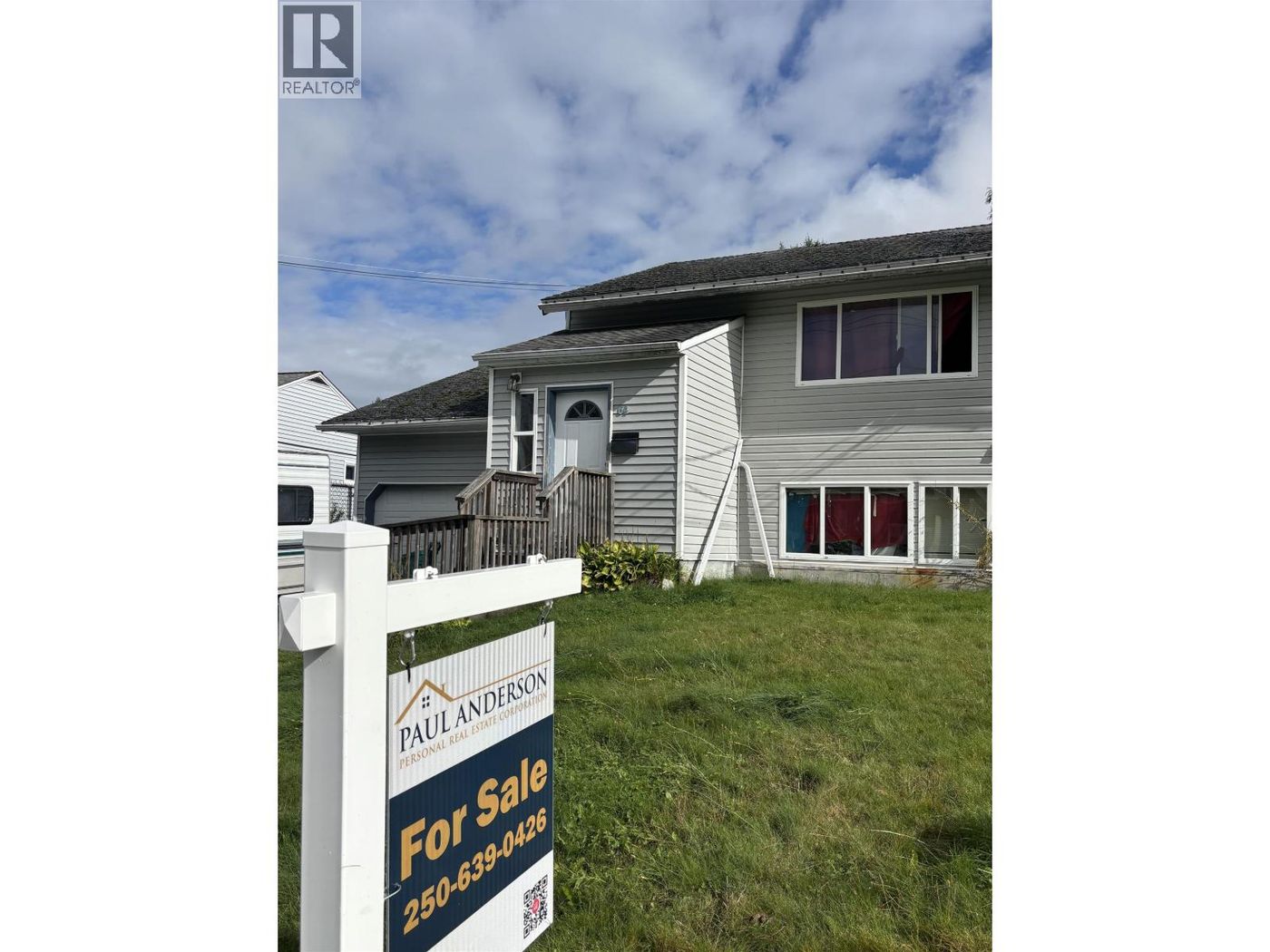
British Columbia's Housing Market Context
Local market conditions in British Columbia are a significant driver of mortgage rate competitiveness among lenders. Key indicators include vacancy rates, which reflect rental demand and housing supply pressures. According to Canada Mortgage and Housing Corporation data, the vacancy rate for Vancouver was 1.2 percent in the most recent reporting period. The vacancy rate for Victoria was 0.9 percent in the same period. These tight vacancy rates in major urban centres indicate sustained demand for housing, which can influence lender risk assessments and rate offerings. The provincial market does not operate in isolation and is affected by national trends and the monetary policy set by the Bank of Canada. Lenders consider these local statistics when structuring their mortgage products and rates for British Columbia residents. Other cities in Canada, such as Windsor, Ontario, reported a vacancy rate of 3.2 percent, providing a contrast to the tighter BC market.
Understanding Rate Types and Adjustments
Mortgage rates in British Columbia come in various forms, primarily fixed and variable, each tied to different economic benchmarks. Fixed rates are often influenced by the bond market, while variable rates typically move in relation to the lender's prime rate, which itself follows the Bank of Canada's policy rate. It is important to note that many government benefit rates are adjusted on a regular schedule, which illustrates how indexed adjustments work. For example, the maximum rates for Canadian Forces Income Support are adjusted on a quarterly basis, with the next scheduled adjustment on January 1, 2027. Similarly, the Caregiver Recognition Benefit is a monthly payment increased annually by the Consumer Price Index, with the current payment being $1,264.25 per month. While these are specific benefit programs, the principle of periodic, index-linked adjustment is a common financial mechanism that can also be seen in some variable-rate financial products. The maximum rates for War Veterans Allowance are also adjusted quarterly, with the same next adjustment date of January 1, 2027.

Key Financial Benchmarks and Their Schedules
Several official schedules and benefit rates provide insight into how financial amounts are indexed and adjusted in Canada, reflecting economic principles that also relate to lending. The Income Replacement Benefit provides 90 percent of a veteran's gross pre-release military salary, ensuring a pre-tax income of at least $60,002.64 per year. The Critical Injury Benefit is a $92,175.45 tax-free lump-sum award for severe service-related injuries. The death benefit for Canadian Armed Forces members is a one-time, tax-free amount of $461,956.71. The Education Training Benefit allows for the use of up to $6,321.24 for participation in short courses. These figures, set by federal programs, demonstrate how specific monetary thresholds are established and updated, a concept that is similar to how lenders may set baseline rates and adjust them according to published economic data. The regular adjustment schedules, such as the quarterly adjustments for certain allowances, mirror the periodic review of interest rates by financial institutions.
- Income Replacement Benefit minimum: $60,002.64 per year.
- Critical Injury Benefit: $92,175.45 tax-free lump sum.
- Death Benefit: $461,956.71 tax-free lump sum.
- Education Training Benefit for short courses: Up to $6,321.24.
- Canadian Forces Income Support adjustment: Quarterly, next on January 1, 2027.
- War Veterans Allowance adjustment: Quarterly, next on January 1, 2027.
- Caregiver Recognition Benefit: $1,264.25/month, adjusted annually by CPI.
Factors Influencing Your Offered Rate
The specific mortgage rate offered to an individual borrower in British Columbia depends on several personal and transactional factors. Lenders assess the loan-to-value ratio, which is the mortgage amount relative to the property's purchase price or appraised value. The borrower's credit score, income stability, and overall debt service ratios are critically reviewed. The type of property being purchased, such as a primary residence, rental property, or multi-unit dwelling, also affects the risk profile and thus the rate. The amortization period, which is the total length of time to repay the loan, influences the interest rate as longer terms may carry different risks. Economic factors at the provincial level, like the vacancy rates in Vancouver and Victoria, indirectly signal market health to lenders. Finally, the chosen product features, such as a fixed or variable rate and the term length, will determine which benchmark rate the lender uses as a starting point. Municipal tax rates, like the 2025 residential property tax rate of 1.752162 percent in the City of North Vancouver, add to the total cost of homeownership but do not directly affect the mortgage interest rate.

Historical Data and Economic Indicators
Trends in mortgage rates can be partially understood by reviewing historical economic data published by official sources. The Bank of Canada provides daily, monthly, and annual average exchange rates, which are foundational for broader financial conditions. Historical data, such as the legacy noon and closing rates, were last updated on April 28, 2017, using the Bank's old calculation methodology and are no longer updated. The Canadian-Dollar Effective Exchange Rate index was replaced by the Canadian Effective Exchange Rate index as of January 2018. While this data pertains directly to currency, it forms part of the economic backdrop against which lenders set their rates for mortgages in British Columbia. The Bank also offers downloadable historical CERI data, which was last updated in January 2018 and is not updated in future. These datasets show how calculation methodologies evolve, similar to how lending models and risk assessments are updated by financial institutions over time.
Provincial Programs and Rate Considerations
While the federal government oversees monetary policy and mortgage insurance, British Columbia may have specific property-related tax rates and programs that affect overall housing costs. For instance, property tax rates are set by municipalities, such as the City of North Vancouver, which for 2025 lists a residential property tax rate of 1.752162 percent, comprised of a 1.599162 percent city rate and a 0.153000 percent regional district rate. Multi-residential properties in the same city face a rate of 3.335332 percent. These municipal taxes are separate from the mortgage interest rate but contribute to the total monthly carrying cost of a home. British Columbia also has its own first-time home buyer programs and property transfer tax rules that can influence the upfront costs of purchasing a home. It is important for borrowers to integrate these provincial and municipal charges into their overall budget when determining how much they can afford, which in turn affects the mortgage amount they seek and the rates they are offered. Utility rate structures, such as water and wastewater rates that include fixed charges and volumetric consumption charges adjusted annually by CPI, are examples of the recurring costs homeowners must factor alongside their mortgage payment.
Common Mistakes When Evaluating Rates
Prospective borrowers in British Columbia often make several errors when shopping for mortgage rates, which can lead to unexpected costs. One common mistake is focusing solely on the advertised rate without understanding the terms, conditions, and potential penalties for breaking the mortgage contract. Another error is not factoring in the impact of the mortgage stress test, which qualifies borrowers at a higher rate than their contract rate to ensure they can handle payment increases. Failing to shop around and compare offers from multiple lenders, including banks, credit unions, and mortgage brokers, can result in accepting a higher rate. Overlooking the difference between fixed and variable rates and not having a plan for potential rate increases over the term is another frequent oversight. Finally, borrowers sometimes do not review their mortgage at renewal time, automatically accepting their lender's renewal offer without negotiating or exploring other market options. Understanding how rates can be indexed, similar to how the Caregiver Recognition Benefit is increased annually by CPI, can help borrowers anticipate potential changes in variable-rate environments.
Related Cost Structures for Homeowners
Beyond the mortgage interest rate, homeowners in British Columbia must budget for several other regulated and recurring costs that are set on specific schedules. Municipal property tax rates, like those in North Vancouver, are established during annual budget processes. Water and wastewater rates in many jurisdictions are also set during the budget process and often include a fixed monthly charge plus a volumetric consumption charge. For example, Oxford County's new water and wastewater rates for 2026 come into effect on January 1, 2026. These rates aim for full cost recovery and include charges based on meter size and consumption, with consumption rates adjusted annually based on the Consumer Price Index. Some municipalities had programs like the Community Servicing Assistance Program, which charged fees to existing customers for water and wastewater services, though such fees can be suspended, as was the case with the CSAP fee starting April 1, 2017. Construction water charges are another specific fee, effective for properties inspected after January 1, 2021, based on lateral pipe size and an assumed consumption of 15 cubic metres per month. These examples show that housing costs involve many different parts, and a comprehensive budget must account for both debt servicing and these ongoing operational expenses.
| Cost Type | Example | Adjustment Basis |
|---|---|---|
| Property Tax (Residential) | City of North Vancouver 2025: 1.752162% | Set annually during municipal budget |
| Water/Wastewater Fixed Charge | Oxford County 2026 rates | Annual calculation for system costs |
| Water Consumption Charge | Oxford County volumetric rate | Adjusted annually based on CPI |
| Government Benefit (Caregiver) | $1,264.25 per month | Increased annually by CPI |
| Allowance (CFIS, War Veterans) | Maximum rates | Adjusted quarterly |
Frequently asked questions
What is the current mortgage rate in British Columbia?
Mortgage rates in British Columbia are not a single uniform rate but vary by lender, borrower qualification, and mortgage product. Rates are influenced by the Bank of Canada's policy, bond yields, and local housing market conditions like the low vacancy rates in Vancouver and Victoria. To find a current rate, you must obtain quotes from lenders or brokers based on your specific financial situation. The rates are dynamic and can change daily with economic data releases.
How does the Bank of Canada affect my mortgage rate?
The Bank of Canada sets the target for the overnight rate, which influences the prime rates that banks offer to their best customers. Changes to this policy rate typically lead to adjustments in variable mortgage rates and can influence fixed-rate pricing through bond market reactions. The Bank publishes daily average exchange rates by 16:30 ET, but it very rarely intervenes directly in foreign exchange markets. Its monetary policy reports and decisions are key drivers of the cost of borrowing in Canada.
What is a good mortgage rate in BC?
A competitive mortgage rate in British Columbia is relative to the prevailing market conditions, which are shaped by national monetary policy and local factors like housing demand. A good rate is one that is competitive compared to offers from multiple lenders for your specific loan scenario, including your credit score, down payment, and property type. It should also come with terms and conditions that fit your financial plans. Benchmarking against published prime rates and bond yields can provide context, but individual offers will vary.
Are mortgage rates higher in Vancouver?
Mortgage rates are generally set at a national level by lenders, but the risk assessment for a specific property can be influenced by local market dynamics. Vancouver's very low vacancy rate of 1.2 percent indicates high demand and a competitive market, but this does not directly cause higher mortgage rates. Instead, it may affect the availability of certain loan products or the scrutiny applied during the approval process. The rates themselves are primarily tied to borrower qualifications and nationwide financial conditions.
When is the best time to get a mortgage rate in BC?
There is no guaranteed best time, as rates fluctuate based on economic data and Bank of Canada announcements. Monitoring trends in the bond market and the Bank's policy rate decisions can provide insight. It is often advisable to start shopping and considering rate holds several months before your purchase closing date or mortgage renewal date. Understanding adjustment schedules, like the quarterly adjustments for certain government allowances, illustrates how financial markets regularly review and update rates.
What is the difference between fixed and variable rates?
A fixed mortgage rate remains constant for the entire term of the mortgage, providing payment certainty and insulation from Bank of Canada rate hikes. A variable rate fluctuates with your lender's prime rate, which moves in relation to the Bank of Canada's policy rate, meaning your payments or the interest portion can change. The choice depends on your risk tolerance, budget, and view on future interest rate movements. Some variable-rate products may have adjustment mechanisms conceptually similar to how benefits like the Caregiver Recognition Benefit are indexed annually to CPI.
Sources and further reading
- Exchange rates bankofcanada.ca
- Rates veterans.gc.ca
- Water and Wastewater Rates oxfordcounty.ca
This article explains how things work and is not financial, tax or legal advice. Rules, limits and rates change, so check the current figures with the Canada Revenue Agency, your province or your financial institution before you act.