Buying a house on Vancouver Island involves a dynamic real estate market with thousands of listings across communities from Victoria to Nanaimo. The process follows British Columbia's property transfer and tax rules, with some areas exempt from the federal foreign buyer ban. Understanding the local market conditions, available inventory, and legal steps is essential for a successful purchase. This guide outlines the practical steps and considerations for acquiring residential property on the island.
Understanding the Vancouver Island Market
The Vancouver Island real estate market is active, with thousands of properties listed for sale at any given time. The city of Victoria alone has 578 houses listed on the MLS® Systems. The market includes a range of property types, from luxury homes, of which there are 129 listings, to more affordable family residences. Vancouver Island was ranked as the most attractive area for buyers in British Columbia, receiving a value rating of 3.24 and placing 14th out of 45 cities in a provincial comparison. This indicates a competitive but desirable market for prospective homeowners. The Vancouver Island Real Estate Board provides listings and data for commercial and residential properties, serving as a central resource for current inventory.
Key Regions and Property Types
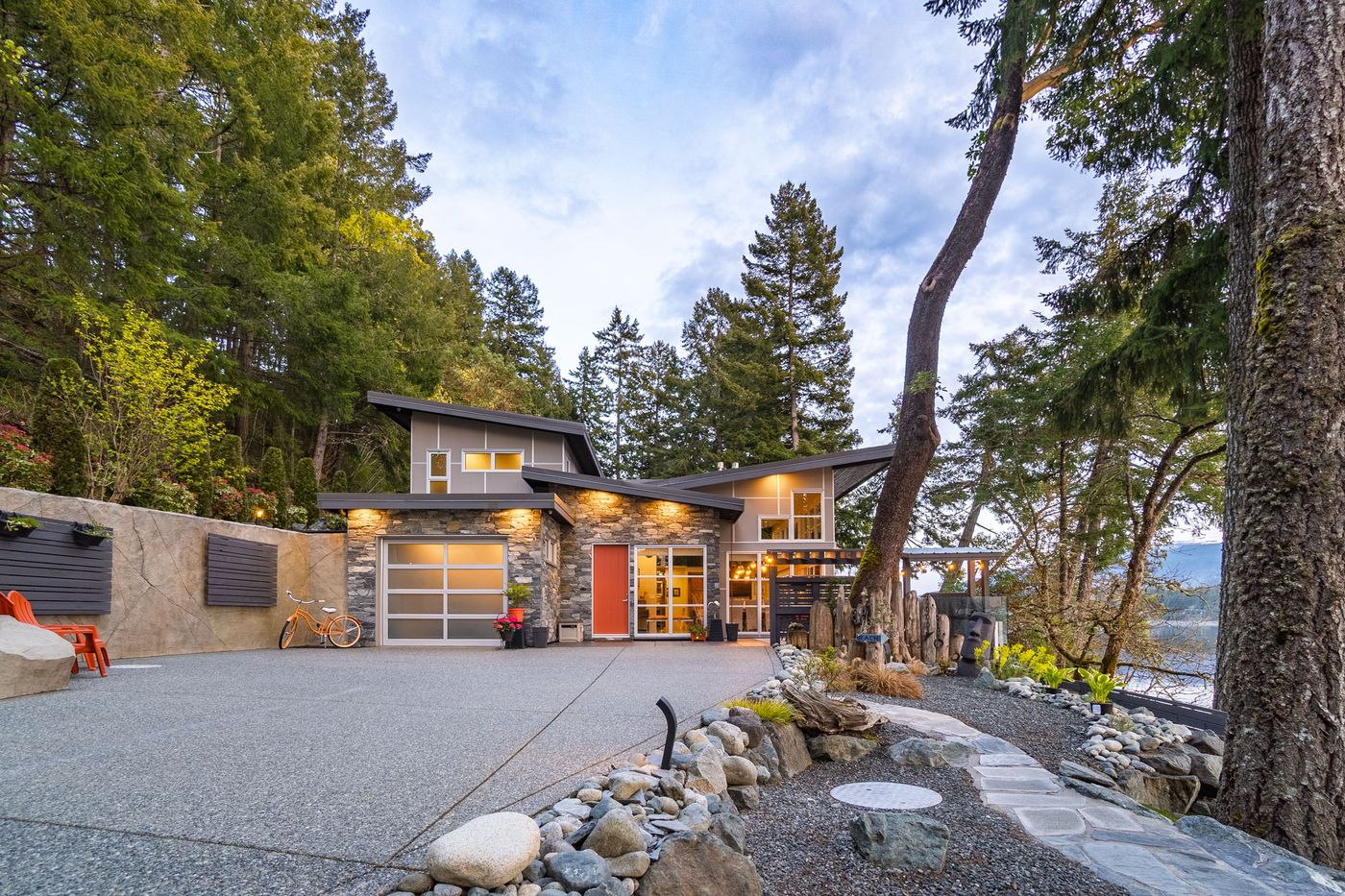
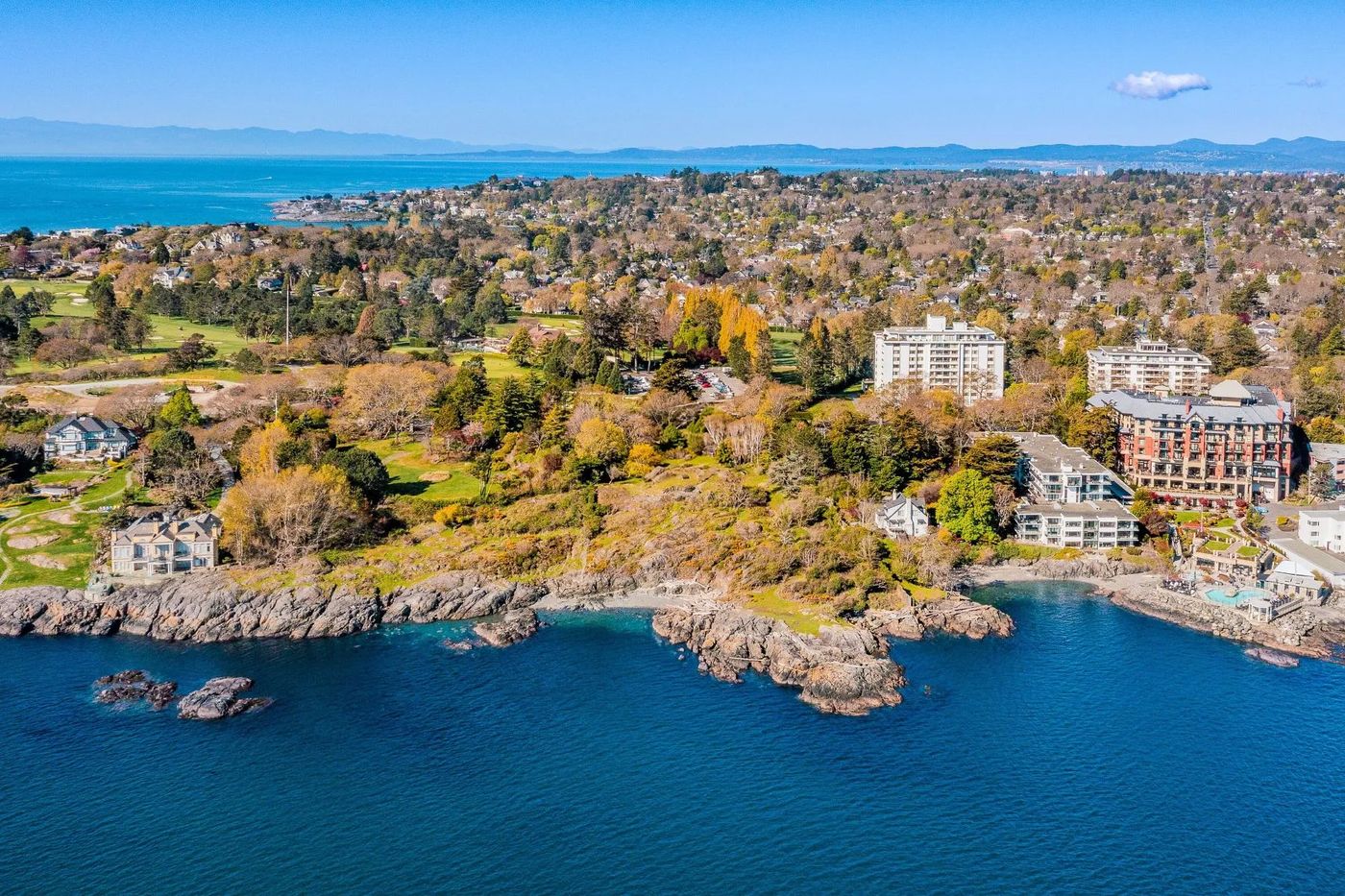
Vancouver Island encompasses numerous distinct communities, each with its own character and market dynamics. Major urban centres include Victoria, the provincial capital, and Nanaimo, a central hub with active real estate markets. Other notable areas for home buyers include Cedar, Chase River, Departure Bay, Diver Lake, Hammond Bay, and Lantzville near Nanaimo, as well as Ladysmith, Chemainus, and Nanoose Bay further north. Listings are not limited to single-family homes. The market offers condominiums, townhomes, and vacant lots for those interested in building. For example, listings describe properties ranging from a 2-bedroom plus den strata townhome in Ladysmith to a 5,800 square foot home on a 0.75-acre lot and ocean-view building parcels in Nanoose Bay. Specific listings highlight homes in sought-after neighbourhoods like Victoria's Rockland area and the Fairwinds community in Nanoose Bay, indicating the variety of locations and lifestyles available.
Rules for Foreign Buyers
Federal and provincial regulations affect who can purchase property in British Columbia. The federal Prohibition on the Purchase of Residential Property by Non-Canadians Act restricts foreign buyers from purchasing residential property in Canada. However, a specific guide notes that several regions on Vancouver Island are often exempt from this foreign buyers ban. This means the ban may not apply uniformly across all island communities, though each property must be verified individually. Prospective foreign buyers must conduct careful due diligence to confirm the rules applicable to their desired location, as exemptions can change based on government policy. The guide titled "Foreign Buyers Guide to Vancouver Island Real Estate" is a resource that points out these potential exemptions, but it does not provide a definitive list, underscoring the need for professional legal verification.
Steps in the Home Buying Process
Purchasing a home on Vancouver Island follows the standard British Columbia real estate transaction process. The provincial government publishes a resource titled "Buying a Home in B.C.: A Consumer Protection Guide" which provides general information on the purchase and sale of real estate and the condition of homes. While the guide offers an overview, the specific steps typically involve securing financing, engaging a real estate professional, viewing properties, making an offer, completing inspections, and finalizing the sale through legal conveyance. Consumers should be aware of their rights regarding representation, as new rules in B.C. govern how real estate professionals represent clients in transactions. The process includes several critical stages that require attention to detail and professional support.
The process includes several critical stages. Buyers should begin by reviewing the provincial consumer protection guide for general information. The next steps involve securing financing and hiring a real estate professional. Buyers then search MLS® listings, make an offer, and complete inspections and conditions before closing the sale with a lawyer.
- Review the "Buying a Home in B.C." consumer protection guide for general information.
- Secure mortgage pre-approval or confirm financing options, potentially with a licensed mortgage broker.
- Engage a licensed real estate professional to represent your interests and explain representation rules.
- Search and view available MLS® listings that match your criteria, using detailed real estate filters.
- Submit a written offer to purchase, which may involve multiple offer situations requiring diligent communication.
- Arrange for a home inspection and review any property condition reports disclosed by the seller.
- Satisfy all financing and insurance conditions outlined in the offer before the removal of subjects.
- Complete the transaction through a lawyer or notary public, including payment of property transfer tax.
Testimonials from buyers reference the importance of an agent's role. One testimonial mentions a realtor's diligence and communication ensuring success in a multiple offer purchase of a condominium. Another testimonial highlights a realtor guiding clients through a challenging transaction from start to close. Clients also value an agent's honesty, lack of pressure, and focus on finding the right property.
Working with a Real Estate Professional
Many buyers on Vancouver Island choose to work with a licensed real estate professional. Testimonials from clients highlight the value of an agent's local market knowledge, professionalism, and ability to handle challenging transactions, including multiple offer situations. Agents assist with filtering listings, arranging viewings, and providing comparative market analysis. They also explain the new rules surrounding real estate representation in British Columbia, which are designed to clarify the agent's duties to the client. An agent's role includes drafting offers, negotiating terms, and coordinating with other professionals like mortgage brokers and home inspectors to guide the deal to a successful closing. Client feedback mentions agents providing service to buyers relocating to the island, demonstrating honesty, and ensuring no pressure to purchase, with a focus on finding the right property to suit the buyer's needs.
Common Considerations and Mistakes
Buyers should be mindful of several common considerations to avoid pitfalls. One key area is understanding the total cost of purchase beyond the listing price, which includes property transfer tax, legal fees, and potential strata or home inspection costs. Failing to secure financing before making an offer can lead to a collapsed deal, a process where a mortgage broker can be involved. In a competitive market, buyers may encounter multiple offer scenarios, requiring clear communication with their agent and realistic bidding strategies. Another consideration is the specific condition of properties, especially older homes or strata properties, which may have maintenance or repair issues not visible in listing photos. Relying solely on online listings without viewing properties in person can also be a mistake, as descriptions may not fully capture a home's layout, neighbourhood context, or potential flaws. The consumer guide emphasizes that its information is general, so buyers must undertake their own due diligence on each specific property's condition and legal status.
Market Listings and Inventory Details
The available inventory on Vancouver Island is detailed through multiple listing services and real estate boards. Zillow shows 33 homes for sale in the 98250 postal code matching Vancouver Island. The Vancouver Island Real Estate Board lists commercial and residential properties for sale. Listings provide specific details such as square footage, lot size, number of bedrooms and bathrooms, and community amenities. For instance, current listings describe a 4-bedroom, 3-bathroom home in North Nanaimo with a bonus room, a 3-bedroom rancher on a sized lot in Willow Point, and a heritage-designated top-floor property in Victoria's Rockland neighbourhood. These examples illustrate the concrete data buyers can use to compare properties, assess value, and determine what features meet their requirements for space, location, and lifestyle. Listings also frequently mention proximity to amenities like beaches, seawalks, and commercial cores, which are important factors in a buyer's decision.
Frequently asked questions
Can foreigners buy property on Vancouver Island?
Federal law generally prohibits non-Canadians from purchasing residential property. However, a guide specific to Vancouver Island indicates that several regions on the island are often exempt from this foreign buyers ban. Each property must be verified individually, as exemptions are not universal across all areas. The "Foreign Buyers Guide to Vancouver Island Real Estate" is a starting point, but legal advice is required for confirmation.
What is the best area to buy on Vancouver Island?
Vancouver Island was ranked as the most attractive area for buyers in British Columbia, with a value rating of 3.24. It placed 14th out of 45 cities in the province. Popular markets include Victoria, Nanaimo, and communities like Ladysmith and Nanoose Bay, but the 'best' area depends on individual needs and budget. Listings show desirable neighbourhoods such as Rockland in Victoria and Fairwinds in Nanoose Bay.
Are there luxury homes available on Vancouver Island?
Yes, there are luxury homes available on Vancouver Island. The luxury real estate market includes 129 luxury homes for sale. These listings encompass vacation homes, apartments, penthouses, and other luxury properties. Examples from listings include a 5,800 square foot property on 0.75 acres and homes in historic, sought-after neighbourhoods.
What should I know about buying a home in British Columbia?
The British Columbia government provides a resource called "Buying a Home in B.C.: A Consumer Protection Guide. It offers general information on the purchase process, the condition of homes, and consumer rights. It is intended to inform buyers but is not a substitute for professional legal or real estate advice. The guide clearly states it provides readers with general information only.
What are the steps to buy a house on Vancouver Island?
The steps include reviewing the provincial consumer protection guide. Buyers should then secure financing and hire a real estate professional. The next steps involve searching MLS® listings and making an offer, which may be in a multiple offer situation. Finally, buyers complete inspections, fulfill conditions, and close the sale with a lawyer.
How many houses are for sale on Vancouver Island?
This total includes houses, condos, and vacant lots for sale. Specifically for the city of Victoria, there are 578 houses listed on the MLS® Systems. The inventory of available properties changes regularly. To get the most current count, one should check listings through the Vancouver Island Real Estate Board or other portals. For example, Zillow shows 33 homes for sale in a specific Vancouver Island postal code area.
Sources and further reading
- Vancouver Island Real Estate vancouverislandhomegroup.com
This article explains how things work and is not financial, tax or legal advice. Rules, limits and rates change, so check the current figures with the Canada Revenue Agency, your province or your financial institution before you act.